COMMERCIAL ROOF SYSTEMS OWNER'S SYSTEM GUIDE

Compare TPO, EPDM, PVC, modified bitumen, built-up, SPF, metal, and roof coating systems from an owner-side commercial roofing perspective.

Commercial roof system selection

Start with the building, not a membrane label

A roof system earns its value only when the assembly, attachment, drainage, operations, climate, warranty, and ownership horizon fit the property. These owner-side guides explain where each major commercial roof system performs, where it creates risk, and what to verify before approving a specification or proposal.

Prepared by Commercial Roofing Advisors. Reviewed 2026-07-26.

Direct answer

What is the best roofing system for a commercial building?

There is no universal best commercial roof.

The best system is the complete assembly that fits the building's use, chemical exposure, drainage, climate, rooftop traffic, energy goals, warranty requirements, and ownership horizon. Material name alone is not a specification.

Building condition or prioritySystems commonly evaluatedWhat the owner must verify
Large warehouse with a simple low-slope fieldTPO, EPDM, PVCAttachment, wind design, membrane thickness, drainage, and seam quality
Restaurant or chemical exposurePVC and compatible specialty systemsDocumented resistance to grease, exhaust, and site-specific chemicals
Heavy rooftop traffic or service workModified bitumen, BUR, protected single-plyCover board, walk pads, access routes, puncture resistance, and repairability
Irregular substrate or added insulation needSPF or a designed recover assemblyMoisture, substrate adhesion, coating maintenance, drainage, and code
Long ownership horizon on a suitable slopeStanding-seam metalPanel engineering, finish, fasteners, penetrations, expansion, and condensation control
Dry, stable roof eligible for restorationAcrylic, silicone, or polyurethane coatingMoisture survey, adhesion testing, detail scope, thickness, and renewable warranty terms
Commercial roof system

TPO Roofing

TPO commercial roofing systems explained for building owners: membrane construction, installation choices, lifespan, maintenance, warranty risk, and system fit.

Explore
Commercial roof system

EPDM Roofing

EPDM commercial roofing systems explained for owners comparing rubber roof membranes, attachment methods, lifespan, maintenance, repairs, and warranty terms.

Explore
Commercial roof system

PVC Roofing

PVC commercial roofing systems explained for building owners evaluating chemical resistance, welded seams, installation, maintenance, lifespan, and system fit.

Explore
Commercial roof system

Modified Bitumen

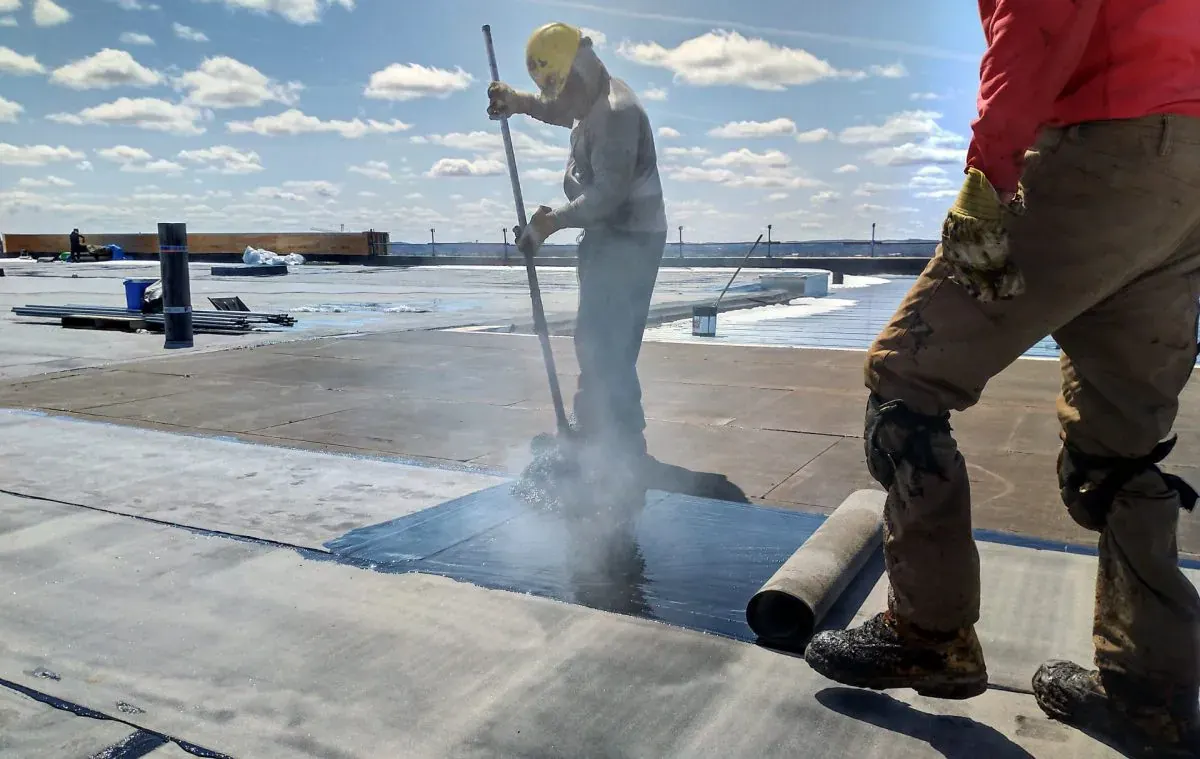
Modified bitumen commercial roofing explained for owners comparing APP, SBS, installation methods, repairability, maintenance, lifespan, and warranty terms.

Explore
Commercial roof system

Built-Up Roofing

Built-up roofing systems explained for commercial building owners: asphalt and ply construction, surfacing, maintenance, repairability, lifespan, and replacement planning.

Explore
Commercial roof system

Spray Foam Roofing

Spray polyurethane foam roofing explained for commercial owners evaluating insulation, drainage correction, coatings, repairs, maintenance, and system fit.

Explore
Commercial roof system

Commercial Metal Roofing

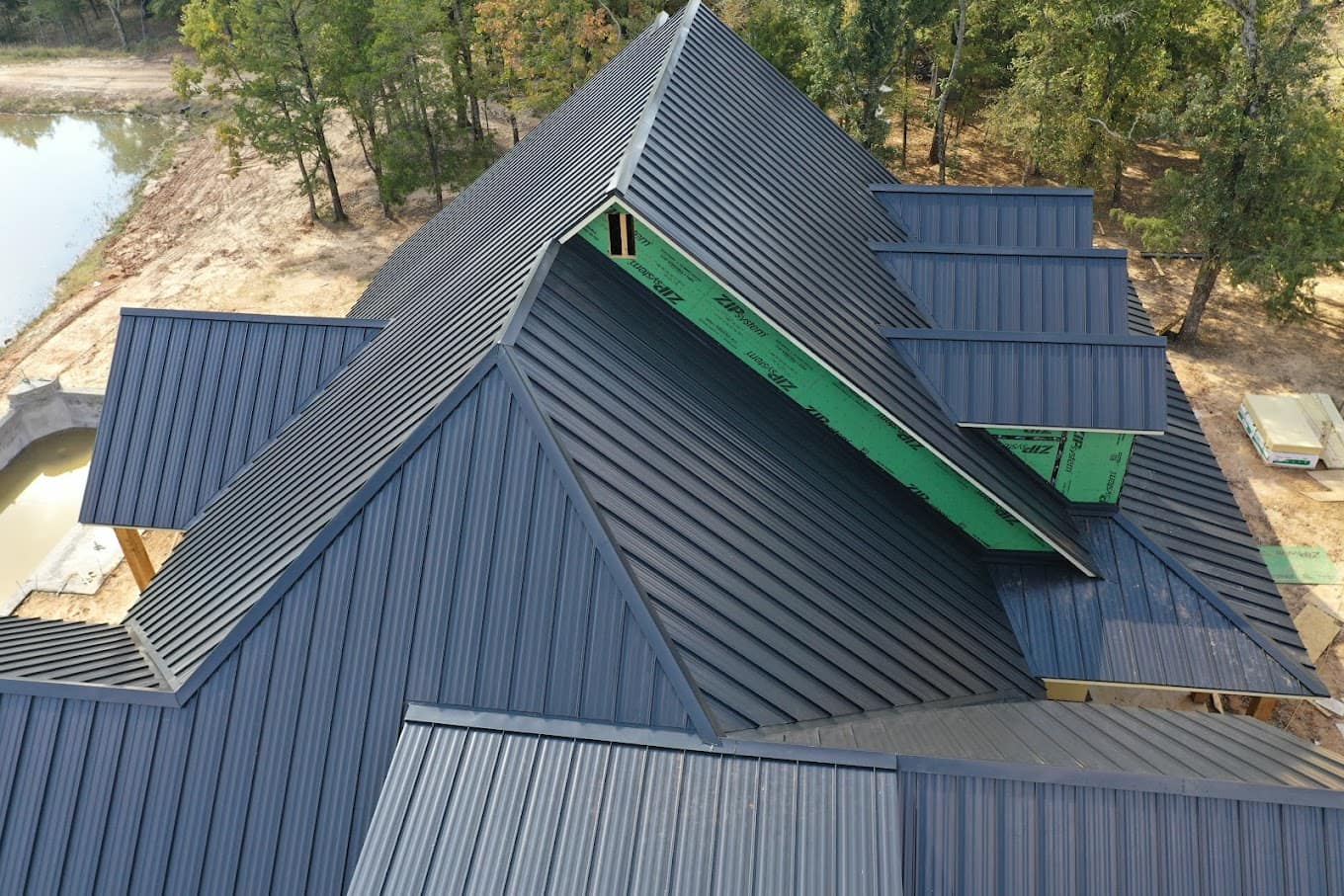
Commercial metal roofing systems explained for owners comparing standing seam and exposed-fastener panels, coatings, lifespan, maintenance, and lifecycle value.

Explore
Commercial roof system

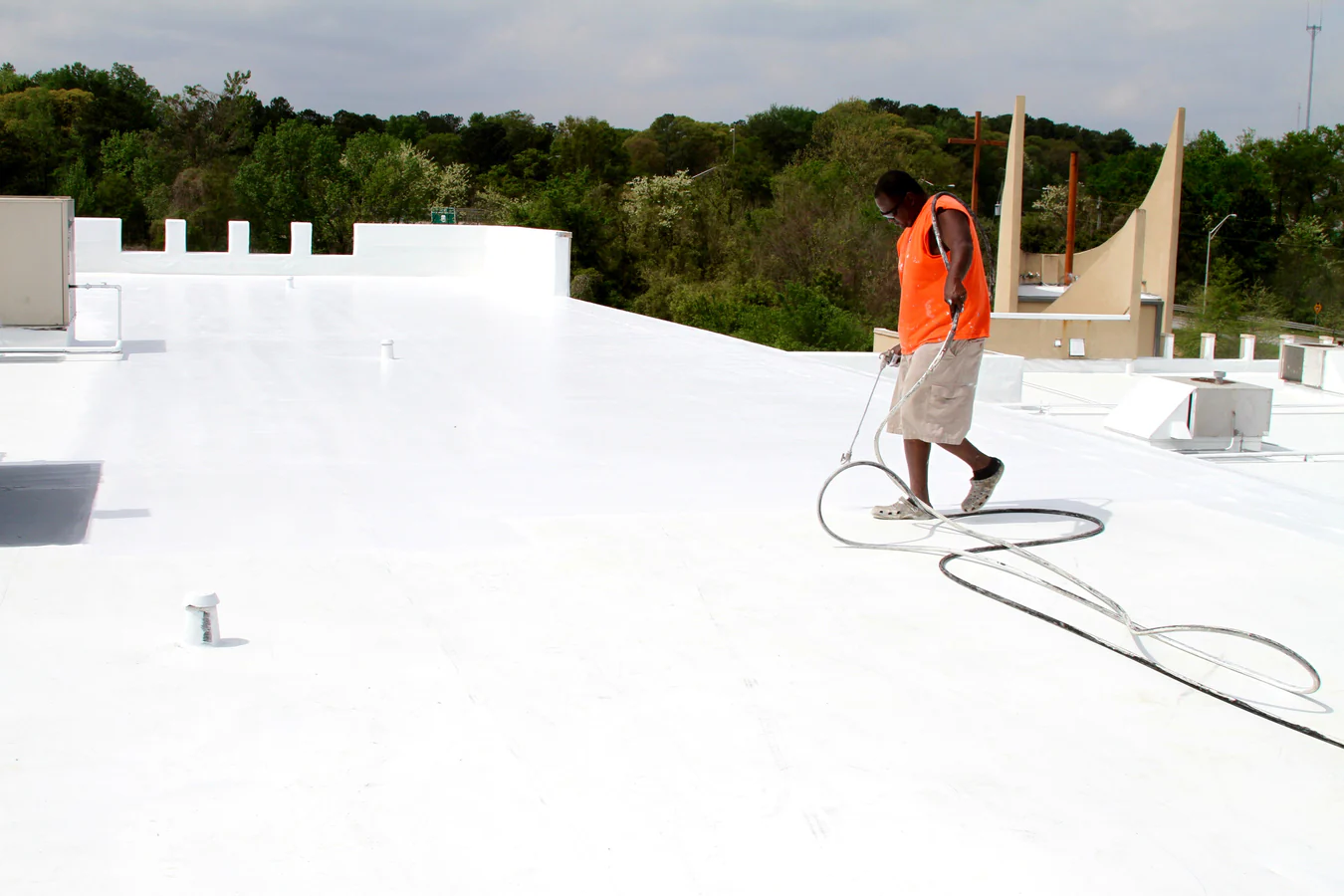
Commercial Roof Coatings

Commercial roof coating systems explained for owners comparing acrylic, silicone, and polyurethane restoration, eligibility, maintenance, warranty, and lifecycle tradeoffs.

Explore

Owner-side comparison

The right question is not "Which roof is best?"

The useful question is which complete assembly best manages water, movement, traffic, energy, operations, maintenance, and capital risk on this building. Validate the choice through field conditions and a qualified specification.