Houston commercial roofing
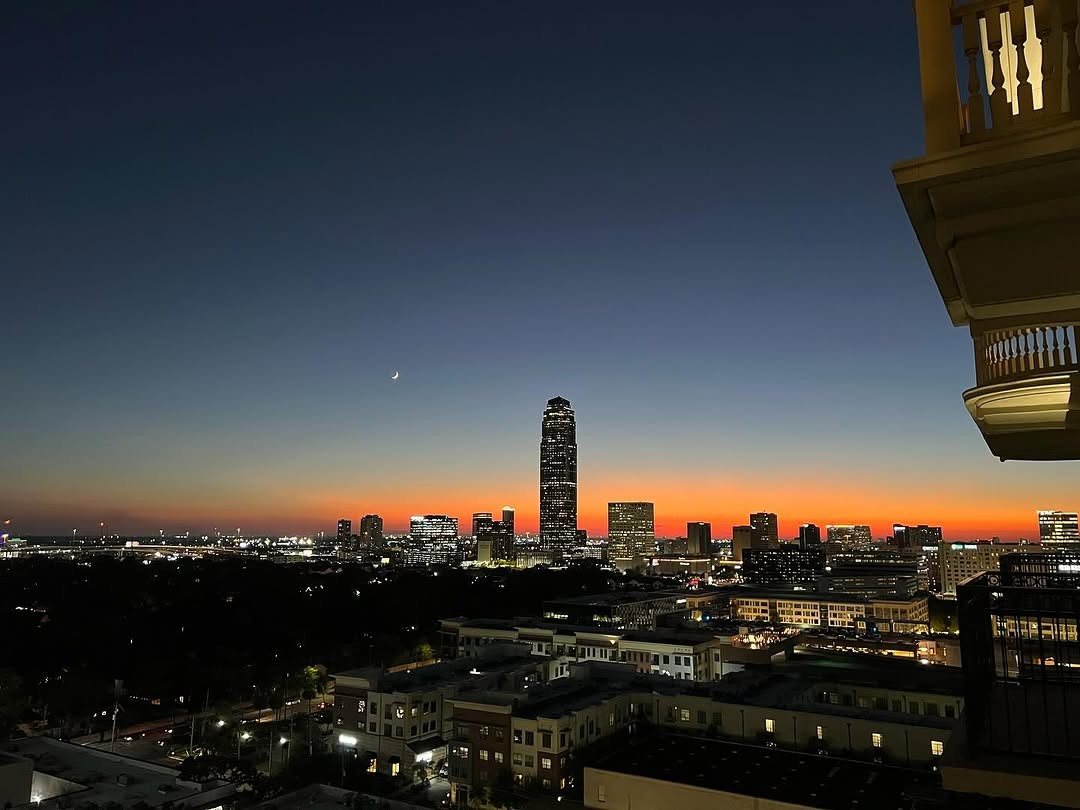
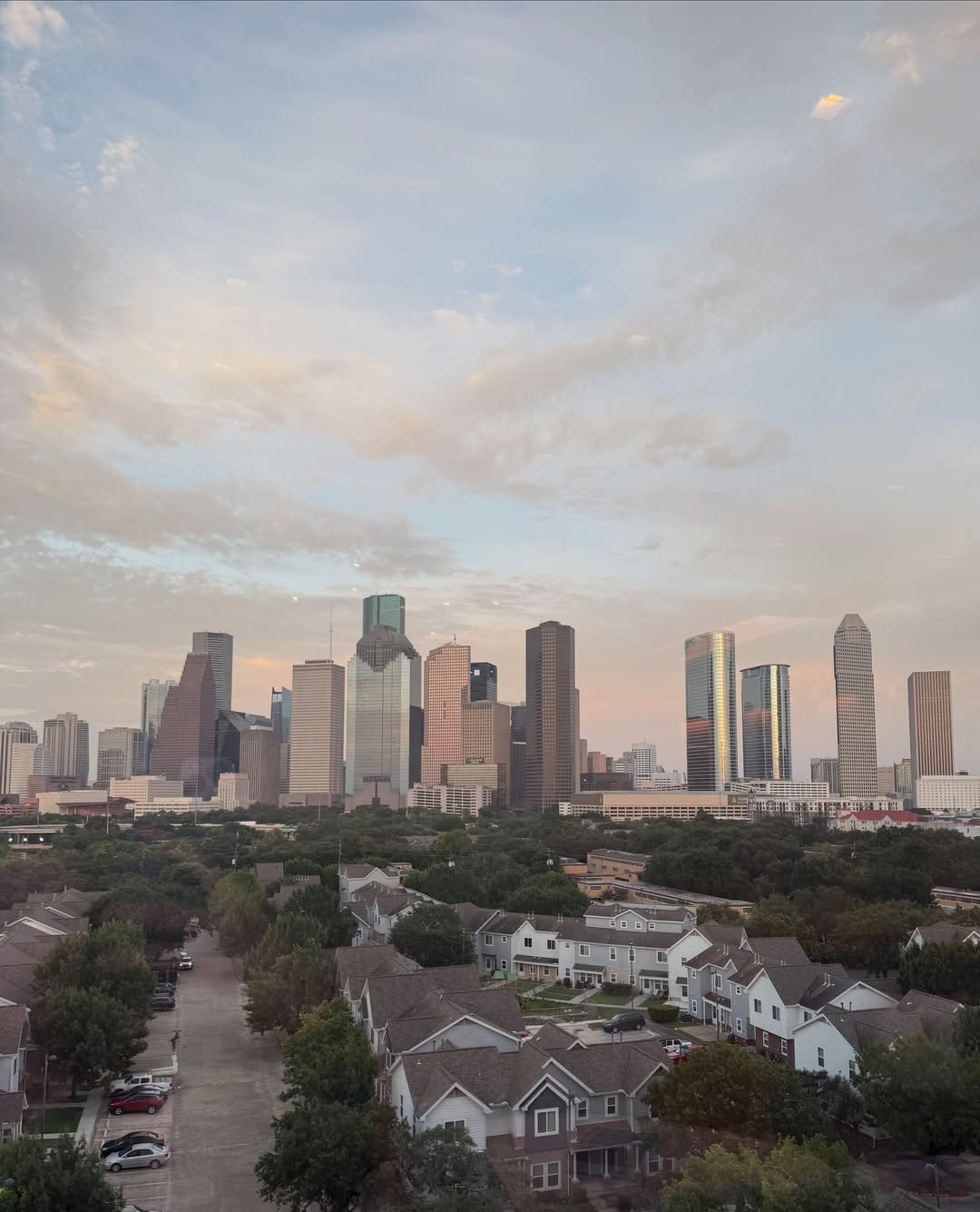
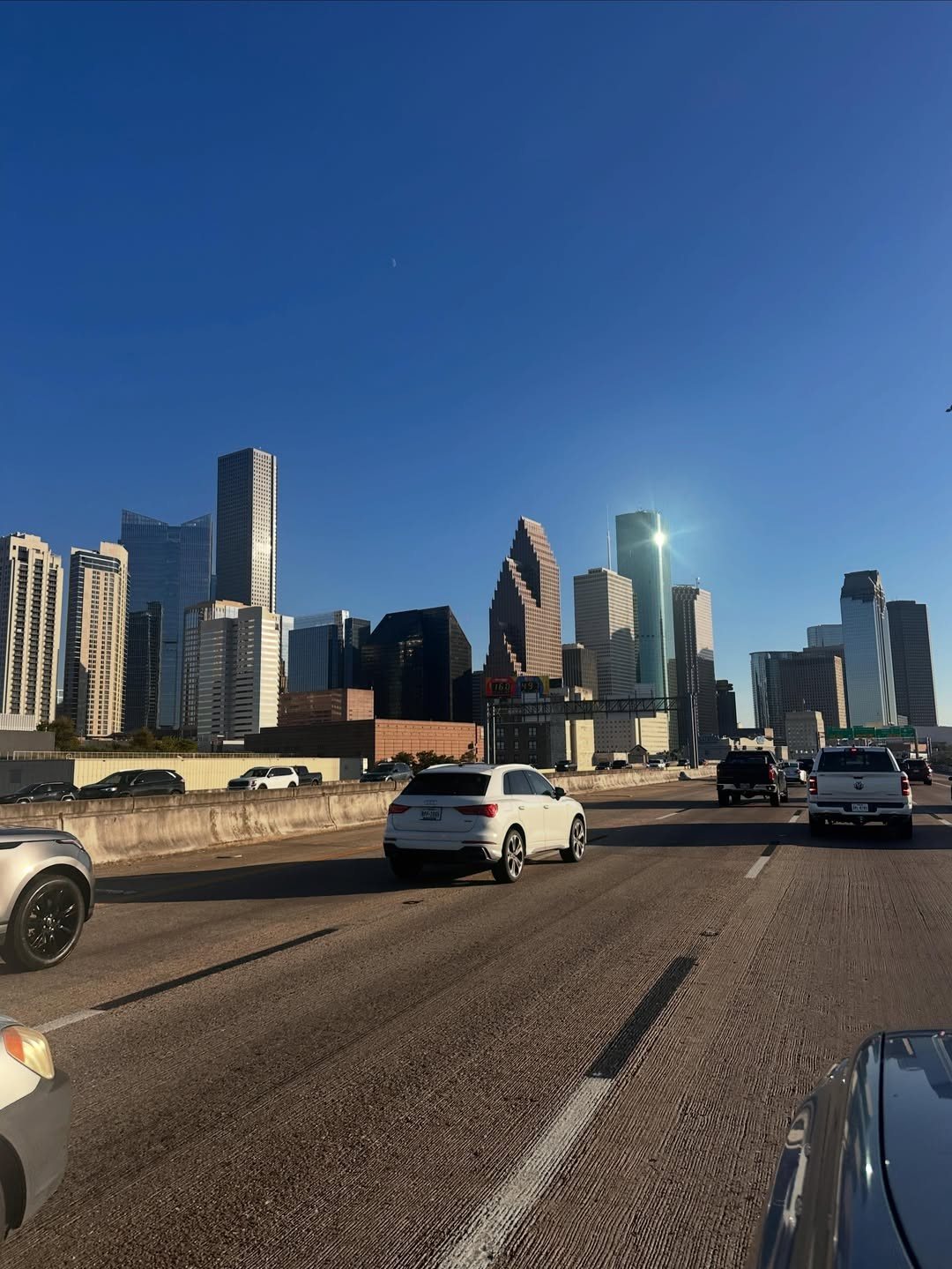
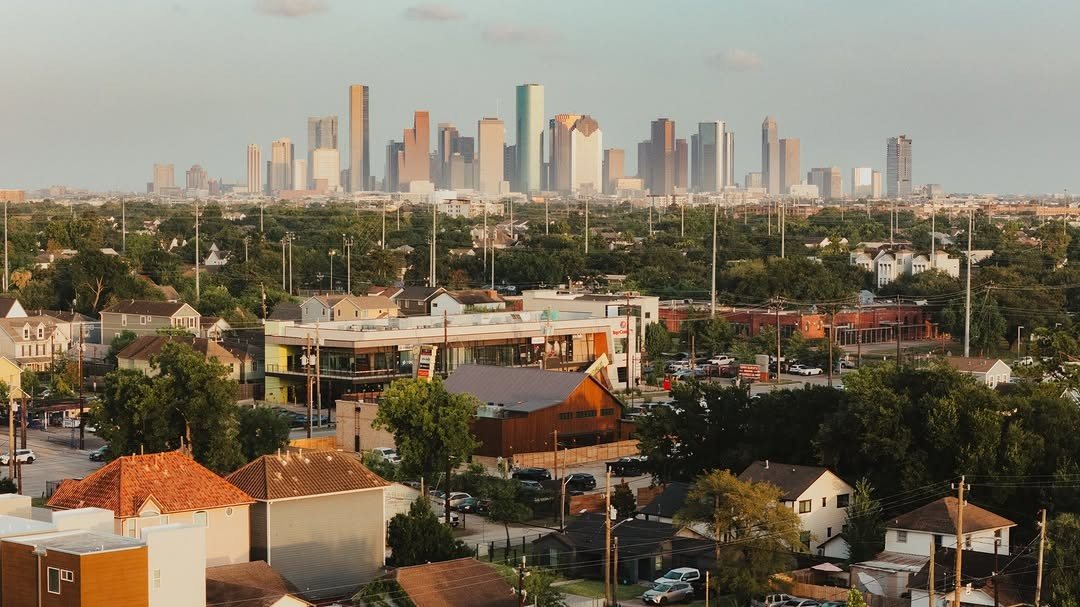
Houston runs one of the largest low-slope commercial roof inventories in the country, and it sits in about the harshest environment a membrane can face short of the open Gulf. The energy corridor along I-10 West, the office towers of the Galleria and Greenway, the medical roofs of the Texas Medical Center, and the vast petrochemical and warehouse belt down the Houston Ship Channel toward Baytown and Pasadena all carry acres of single-ply and built-up roofing that absorb relentless subtropical heat, then get tested by tropical systems every hurricane season. Between the UV load, the flat-terrain ponding, and the wind-driven rain of storms like Harvey and Beryl, roofs here age fast and fail expensively. We advise Houston owners, REITs, and asset managers with documented condition reporting and capital planning built for that reality.
What Houston's climate does to a roof
The defining stressor is water that has nowhere to go. Houston's land is nearly flat, its rainfall is intense and frequent, and its low-slope roofs pond by default the moment a drain clogs or a deck deflects. Standing water accelerates membrane breakdown, finds every seam and flashing weakness, and adds structural load the building was never meant to carry for long. Layer on months of high heat and ultraviolet exposure that bake adhesives and shrink membranes, and the practical service life of a Houston roof runs shorter than the manufacturer's brochure suggests.
Then there is the wind. A landfalling or near-miss tropical system drives uplift at parapets, edge metal, and corners, and pushes rain horizontally into any detail that is not perfectly sealed. The damage is often invisible from the ground and only shows up as interior leaks weeks later. An owner who has documented condition before the season is in a completely different position than one scrambling to prove storm damage after the fact.
The owners and buildings we serve here
Houston's commercial stock is unusually varied. Institutional owners hold enormous distribution and manufacturing footprints along Beltway 8 and out toward Katy and Cypress, where a single roof can span several hundred thousand square feet and a deferred repair is never a small line item. Others carry office and mixed-use in the urban core, medical facilities near the TMC, and industrial and energy-sector buildings tied to the Ship Channel. Each type ages differently and demands a different plan, which is why we track each asset as its own risk profile rather than applying one assumption across a Houston portfolio. This work is part of our Texas commercial roofing services coverage, and the coastal exposure here shapes it heavily.
Owner-side reporting and capital planning
Commercial Roofing Advisors installs, repairs, restores, and replaces commercial roofs. We base recommendations on documented roof conditions, building operations, and the owner's budget. From assessment and scope development through roofing work and closeout, our team helps owners protect the property and plan the next stage of its roof's service life.
From that baseline we build a multi-year capital forecast that puts every Houston roof on a funded timeline and sequences replacements deliberately instead of as emergencies. We also track warranty terms and the ponding, storm-documentation, and unauthorized-rooftop-work conditions that quietly void coverage in this climate. After a major storm passes over a portfolio, we inspect, scope, price, and deliver the work that genuinely needs doing, and verify the completed roofing work against the agreed scope. In a market that reliably draws a wave of storm-chasing solicitations every summer, an owner with real condition data and a standing plan protects their capital far better than one fielding reactive bids with no baseline of their own.
Houston market coverage
We provide commercial roofing installation, repair, and replacement across Houston, Texas and the surrounding metro.