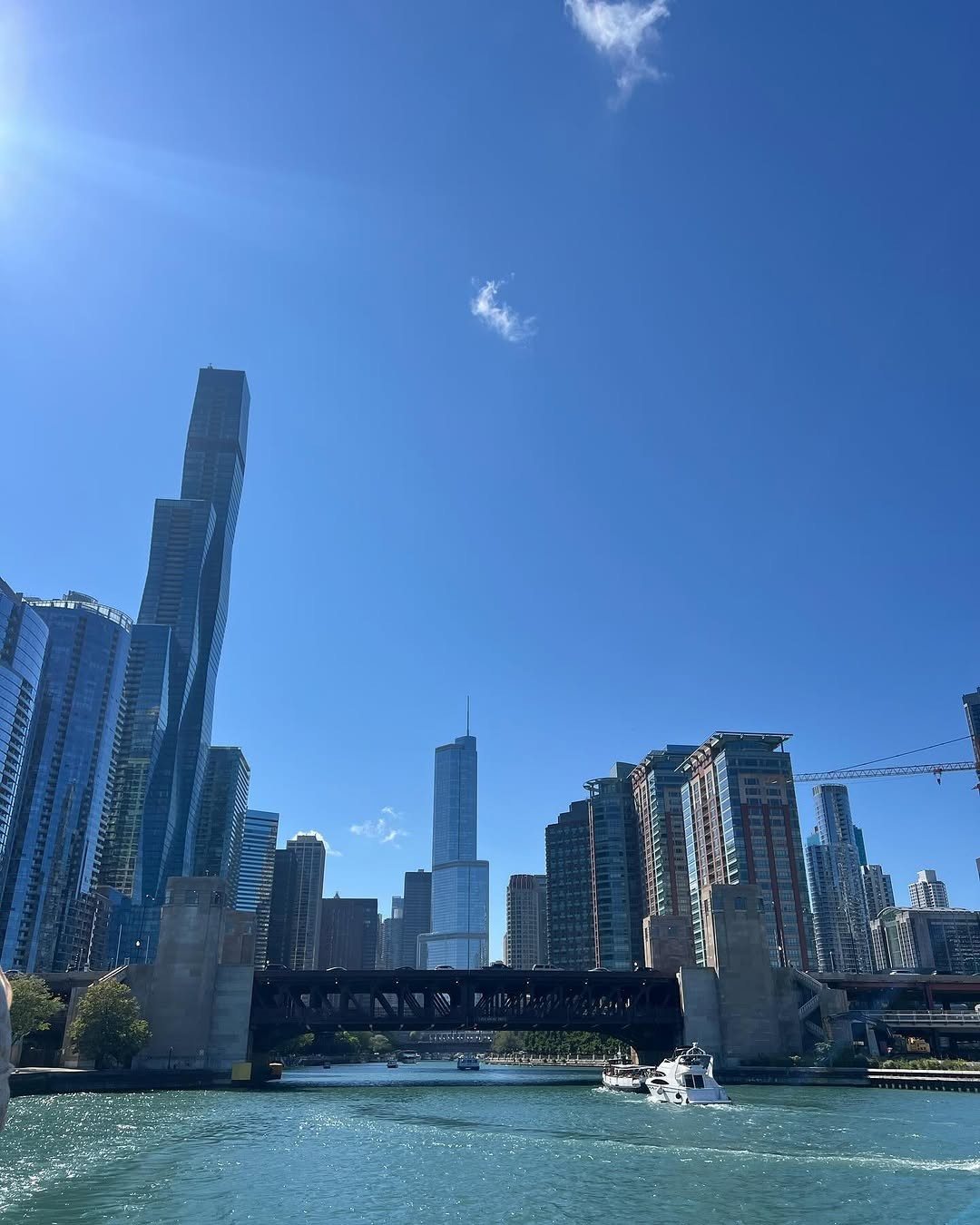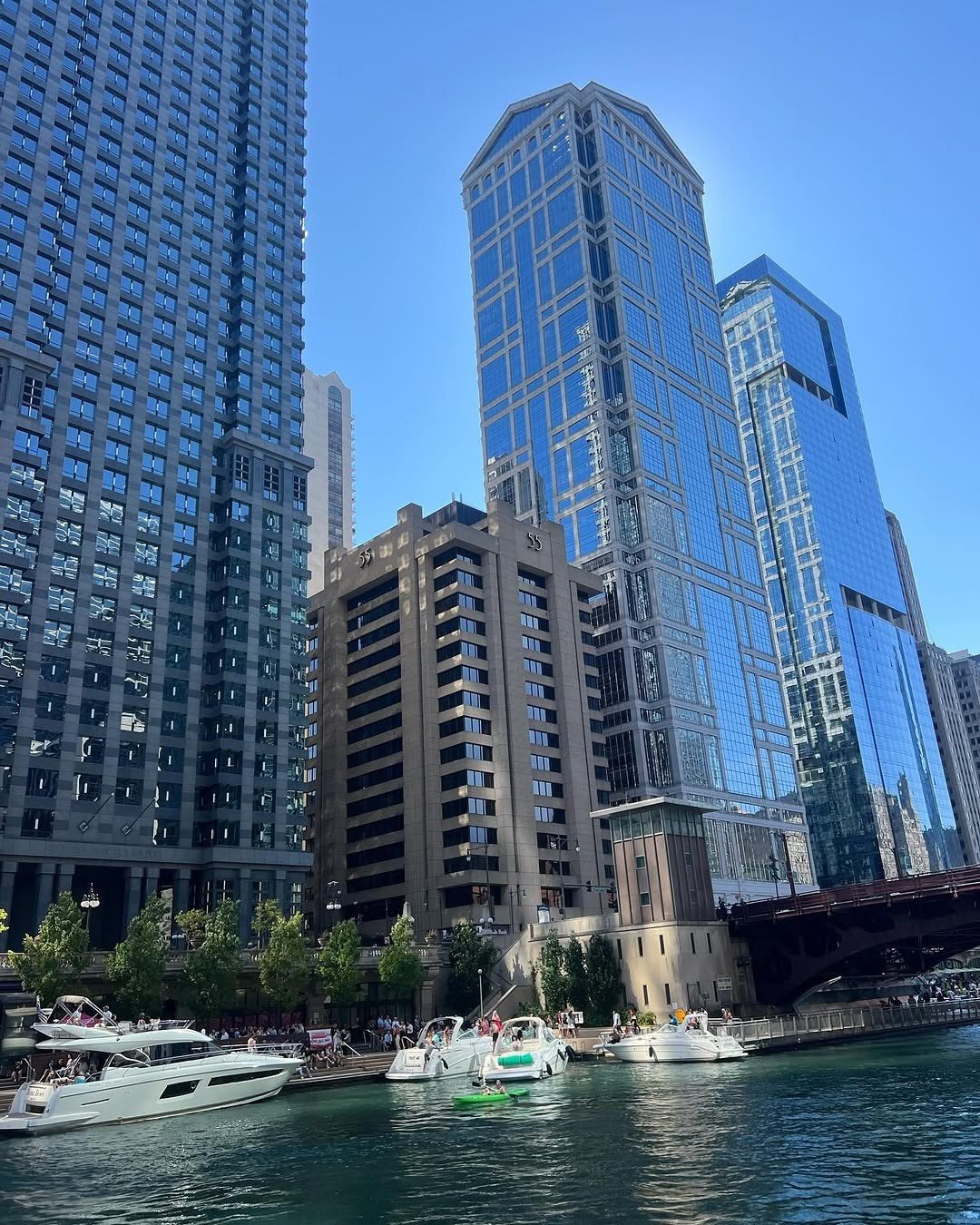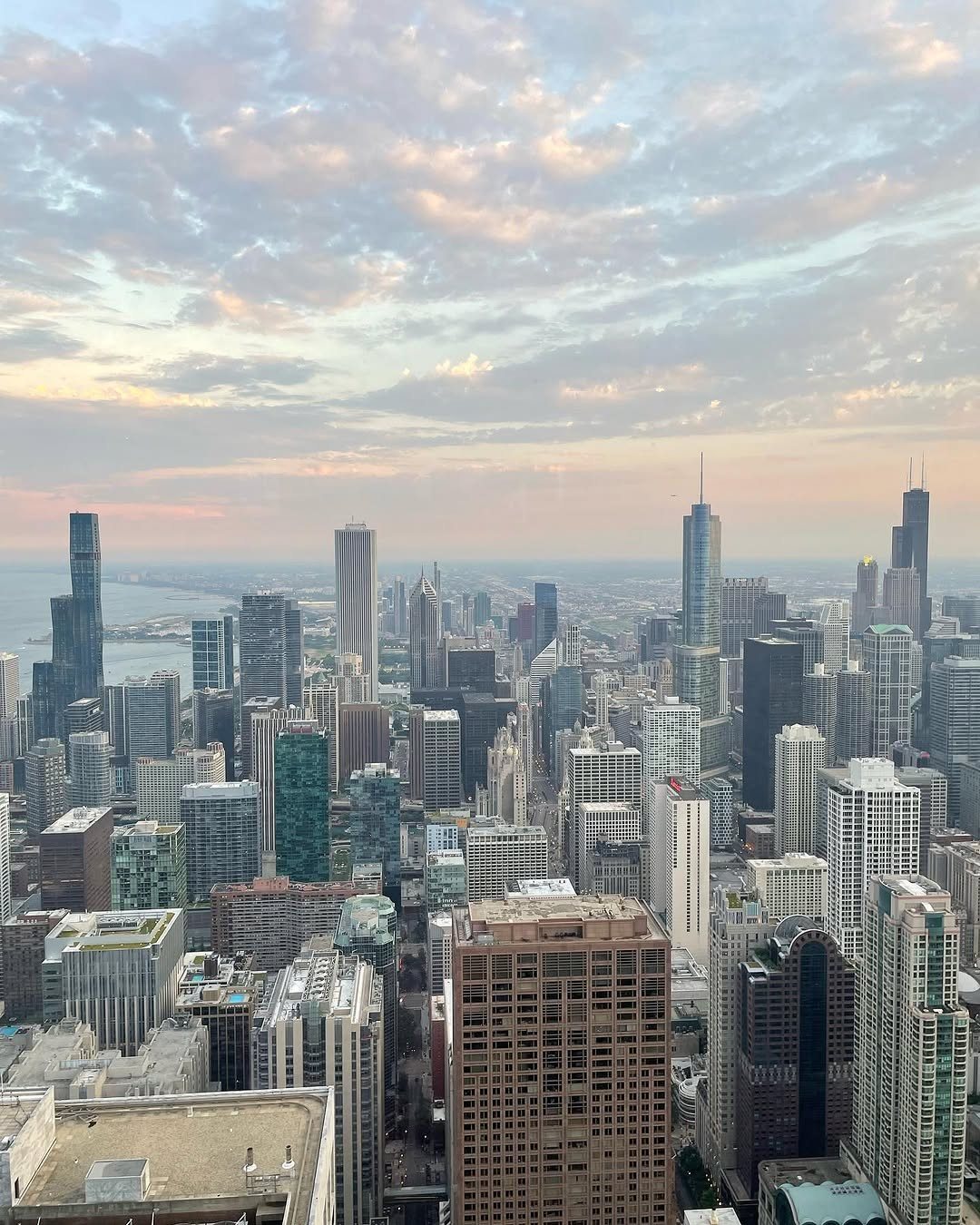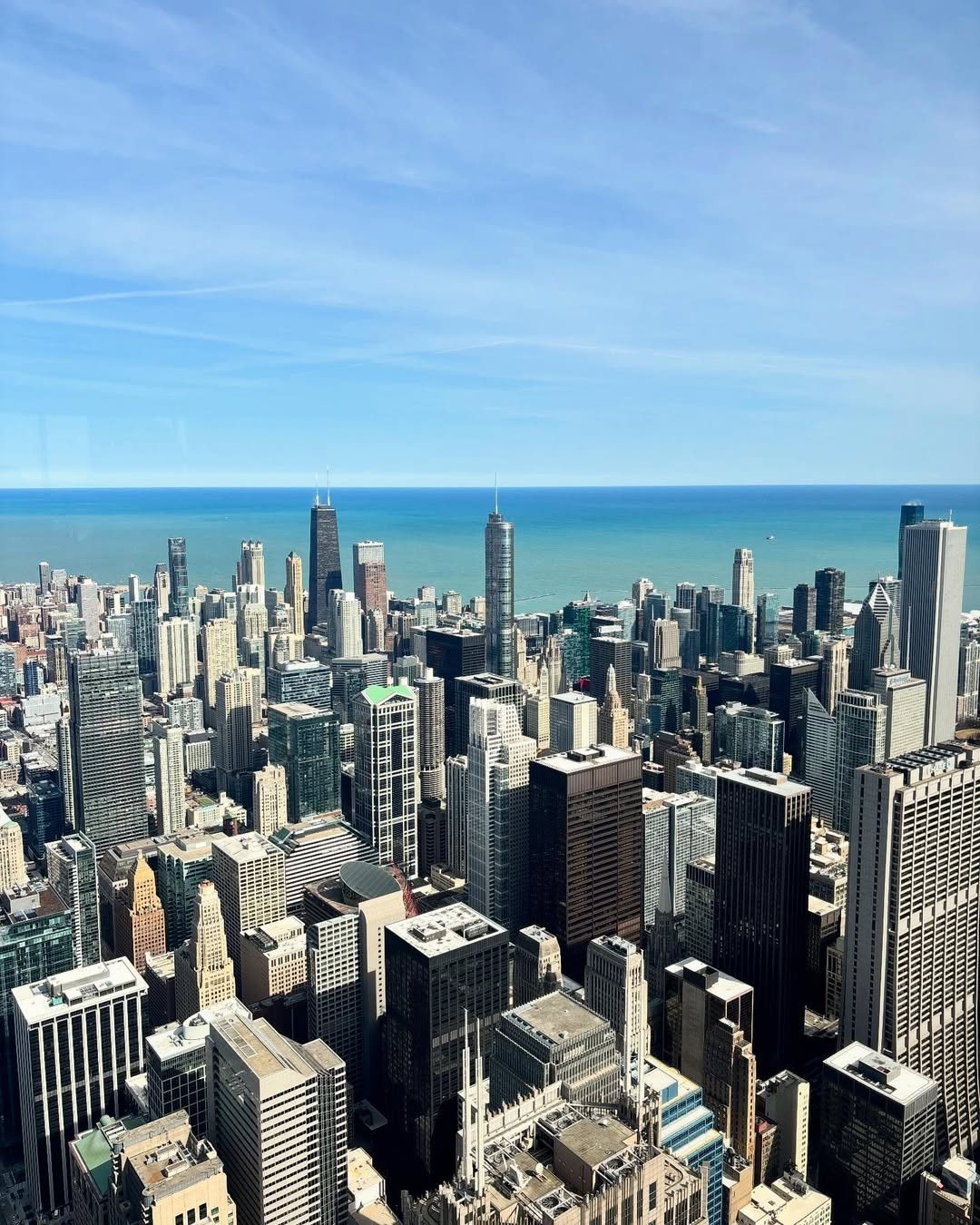
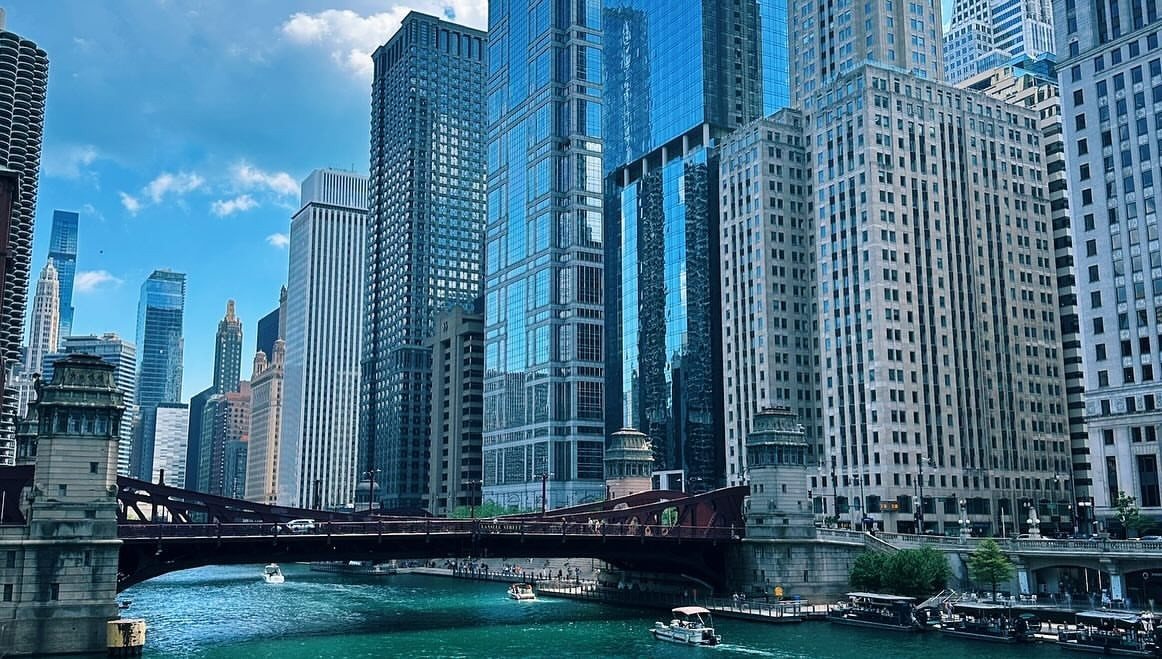
Chicago commercial roofing
Chicago runs one of the harshest thermal cycles any low-slope roof in the country has to survive. A single winter drives the membrane through repeated freeze-thaw as daytime melt refreezes overnight, and lake-effect snow off Lake Michigan piles structural load onto roofs that were often designed to an older, more forgiving snow assumption. Then summer swings the same surface into high heat and humidity. The city's commercial roof stock is enormous and unusually old: masonry loft buildings across the West Loop and Fulton Market, the Central Manufacturing District and the industrial belt along the Stevenson and Kennedy corridors, the O'Hare cargo and logistics cluster, and the sprawling distribution product out along I-55 and I-80 in the collar counties. For owners, REITs, and asset managers holding that mix, an aging roof in this climate fails quietly under snow and ice long before anyone sees water inside. We advise on documented condition, capital planning, and contractor oversight built for it.
What Chicago's climate does to a roof
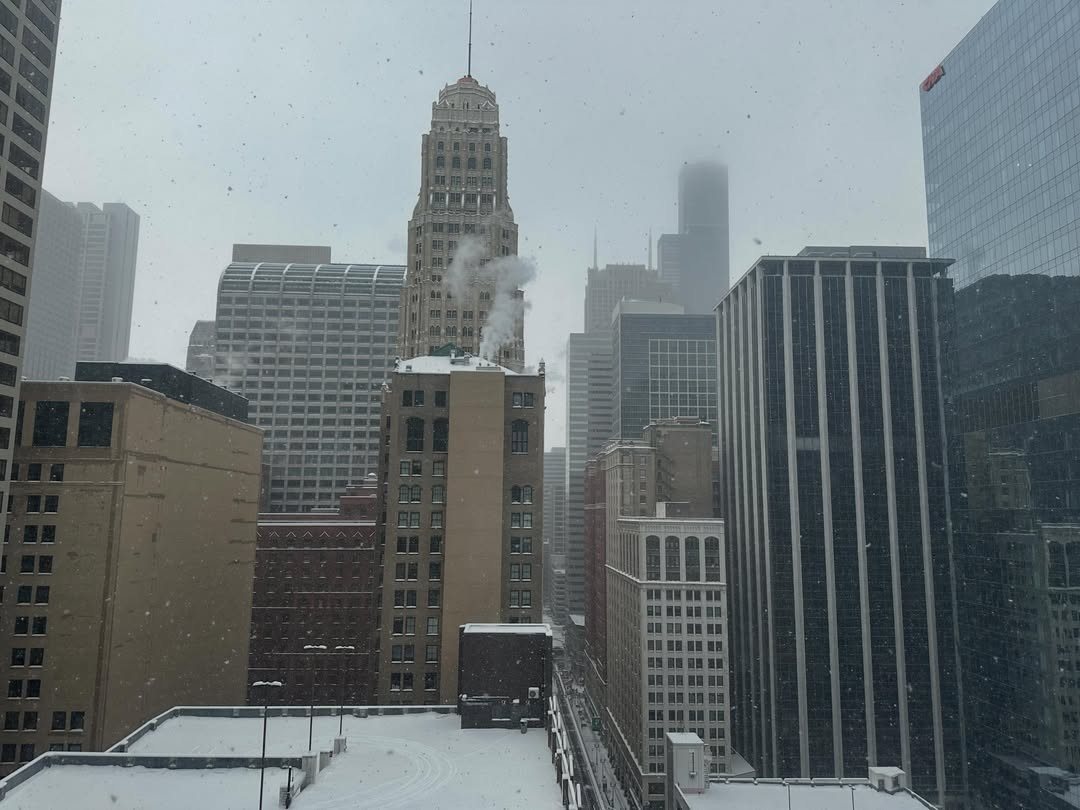
The defining stressor here is not any single storm but relentless cycling. Water finds a hairline gap in a seam or a tired flashing detail, freezes, expands, and levers that gap wider; repeat that a few dozen times a winter and a minor defect becomes an open path to the deck. Snow and ice add their own problems: drifting load against parapets and mechanical screens, meltwater that refreezes at cold eaves and roof edges to form ice dams, and ponding that lingers on flat roofs where drains and scuppers freeze shut. On Chicago's older masonry buildings, roof-to-parapet and roof-to-wall junctions are frequent failure points, because the wall and the roof move at different rates through the temperature swing.
Summer is not a reprieve so much as a second, opposite load. Membranes that spent winter contracting in the cold now expand and bake under heat and UV, and the assembly's ability to shed a heavy convective downpour depends entirely on drainage that the previous winter may have quietly compromised. Managing a Chicago roof means planning around both ends of that swing rather than reacting to whichever one is happening now.
The building stock we cover
Chicago's commercial inventory is genuinely varied, and each type carries a different roof risk. The converted loft and mixed-use buildings of Fulton Market, the West Loop, and the near North and South Sides tend toward older assemblies over structural decks that have been re-roofed in layers over decades. The industrial and distribution corridors along the Stevenson (I-55), the Kennedy, and out toward Joliet and the intermodal yards carry vast single-ply roofs on large footprints, where a small detail failure spreads across acres before it surfaces. The O'Hare-adjacent logistics market, the medical campuses of the Illinois Medical District and the Streeterville hospitals, and the downtown office and institutional core each add their own profile. We track these as distinct environments rather than treating one Chicago average, and it is part of our broader Illinois commercial roof advisory coverage.
Owner-side condition reporting and capital planning
For an owner carrying property through Chicago winters, the foundational deliverable is a standardized condition report on every roof: membrane type and age, seam and attachment condition, flashing and penetration detailing, drainage and evidence of chronic ponding, insulation moisture where investigation is warranted, and a realistic remaining service life. We photograph and locate defects so this year's report is directly comparable to next year's, which is what lets an owner watch a roof deteriorate rather than simply learn one spring that it has failed under the snow.
Because we sit on the owner's side of the table, our reporting is not built to sell a re-roof. A roof with serviceable life left should be maintained and monitored through the freeze-thaw seasons, not torn off because a contractor's free inspection said so. Across a multi-building Chicago portfolio, where roofs of different ages and construction compete for the same capital, that distinction is the difference between a funded, defensible replacement schedule and a string of winter emergencies. We build multi-year forecasts that put every roof on a timeline, track warranty terms and the maintenance obligations that keep single-ply coverage intact, and hold contractors to documented condition rather than to their own estimate, so an owner facing the next hard winter is working from data instead of surprise.
Chicago market coverage
We provide owner-side commercial roof advisory across Chicago, Illinois and the surrounding metro.