Dallas commercial roofing
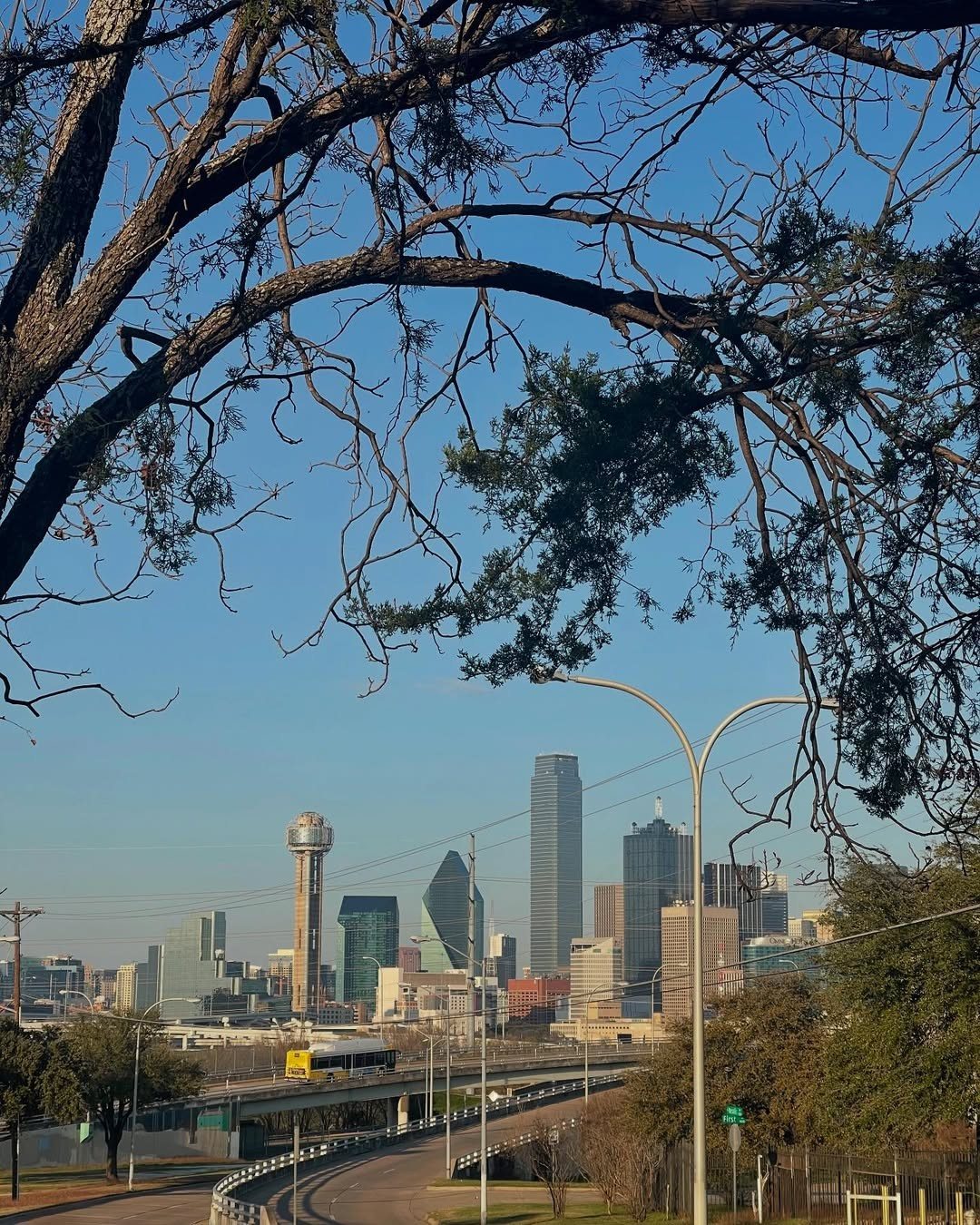
Dallas sits squarely in the most active hail corridor in the United States, and that single fact shapes every commercial roof decision in the metro. From the office towers of Uptown and the Arts District to the immense distribution and logistics inventory around DFW Airport, Alliance, and the I-20 and I-635 corridors, North Texas holds millions of square feet of low-slope membrane exposed to spring and early-summer supercells that can bruise, fracture, and split a roof in a matter of minutes. Add relentless summer heat and UV, sharp freeze-thaw swings in winter, and the straight-line winds that ride with these storms, and Dallas roofs face a punishing and unpredictable workload. We advise owners, REITs, and asset managers here with independent condition reporting and capital planning built around that hail-driven risk.
Hail is the defining risk in North Texas
Hail damage on a commercial roof is deceptive. A storm can leave a membrane looking intact from the ground while the impacts have fractured the surface, bruised the insulation beneath, and started a slow failure that surfaces months later as leaks and blisters. Because the damage is often invisible and time-sensitive to document, the owners who fare best are those with a current condition baseline before the season and a disciplined inspection the moment a hail-bearing storm passes over their assets. Without that record, a legitimate claim becomes an argument, and a warranty condition quietly lapses.
Heat and thermal cycling compound the problem. Long, hot summers age membranes and adhesives, and the wide day-to-night and seasonal temperature swings across North Texas work seams and flashings loose over time, opening the exact details that a hailstorm then exploits. A roof that was marginal going into spring is the one that fails in April.
The Dallas building stock we cover
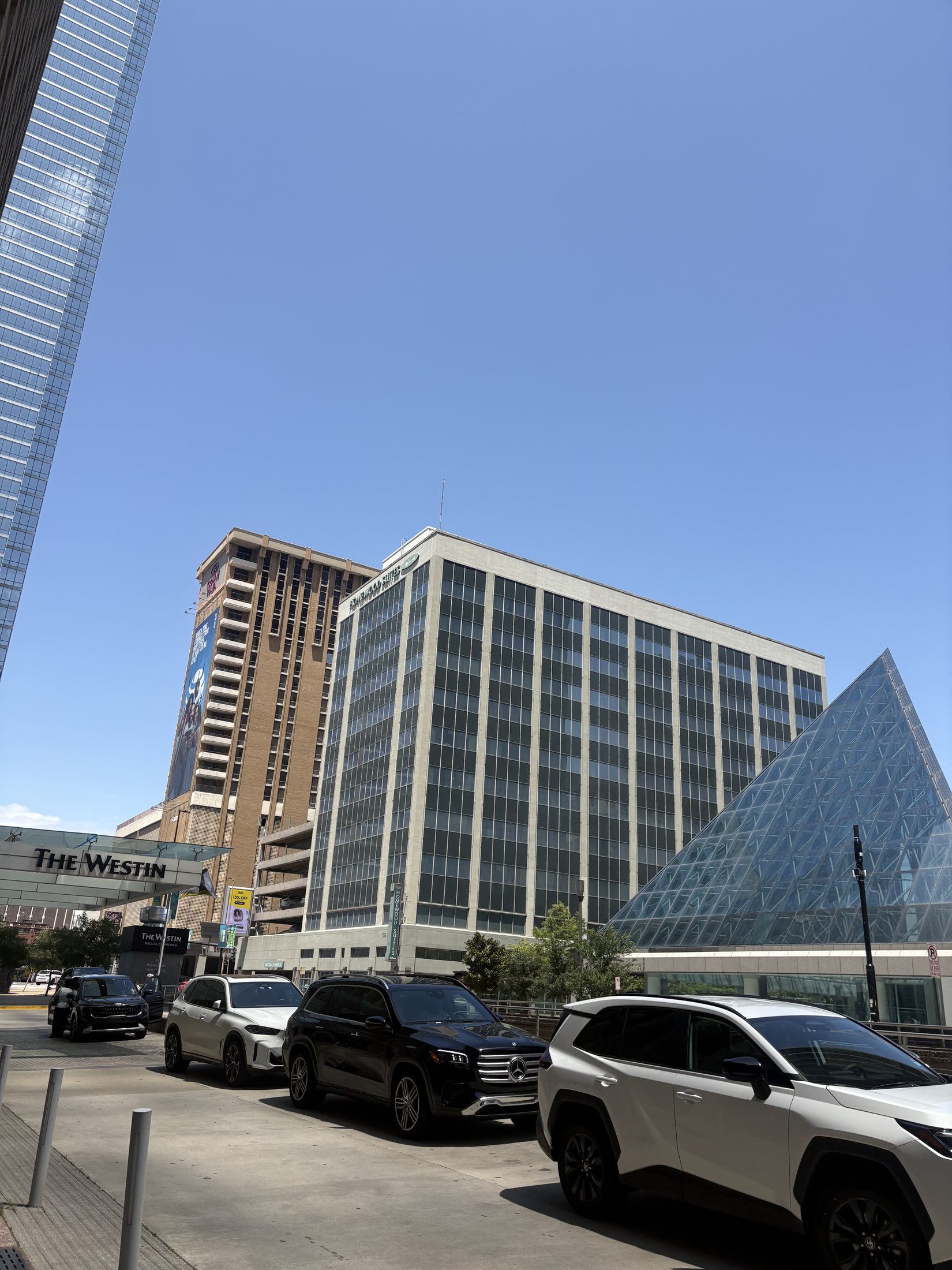
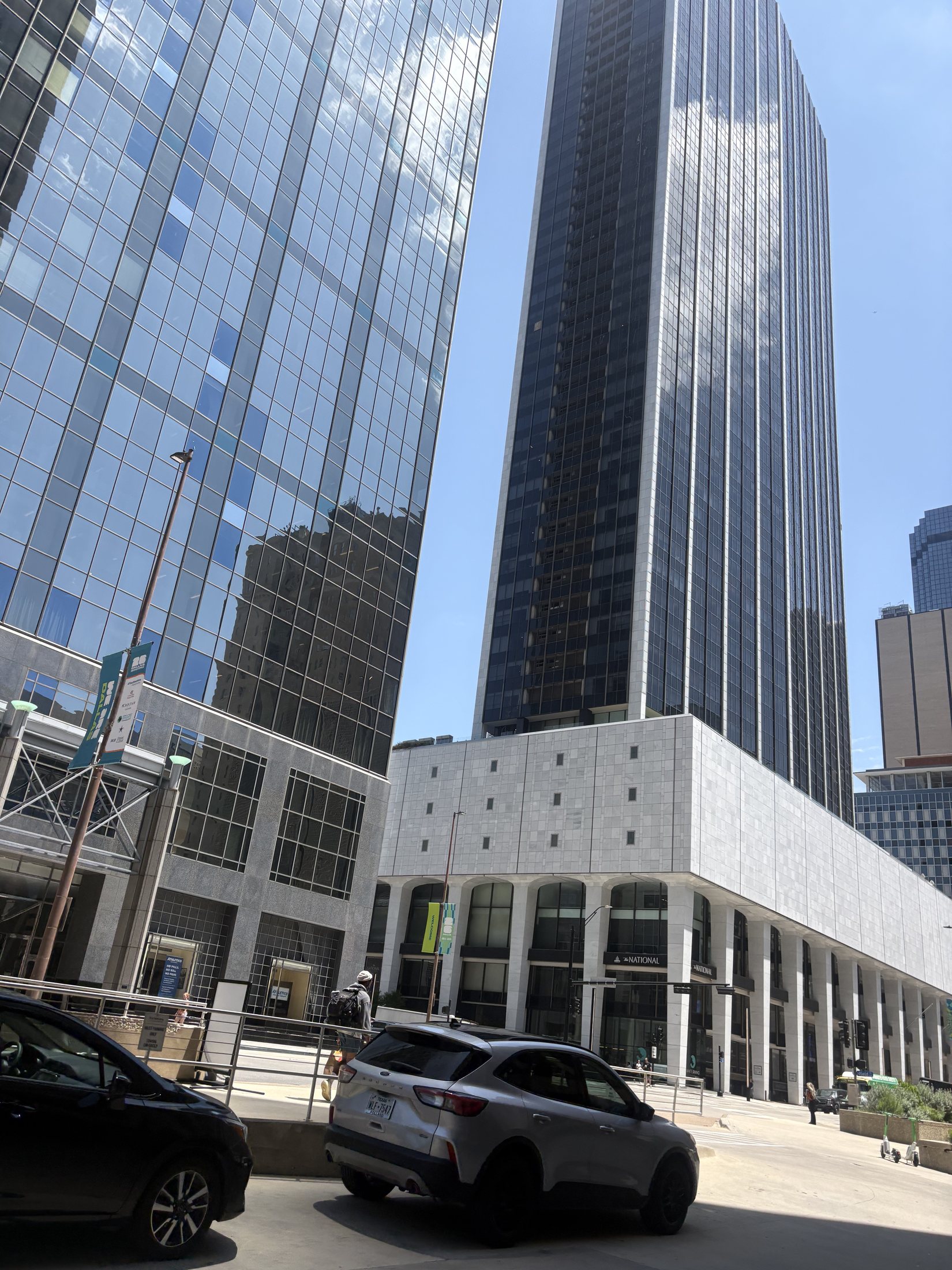
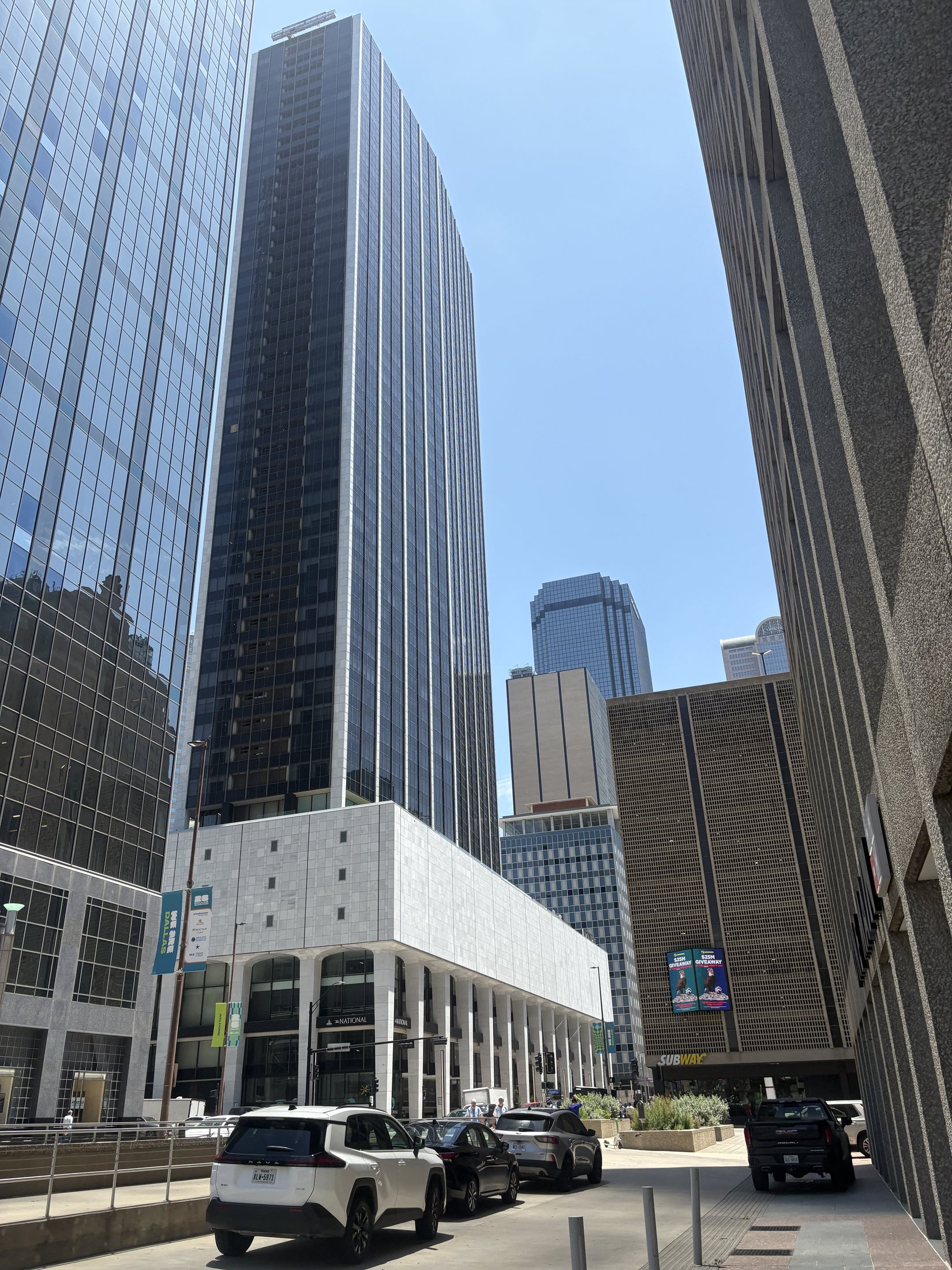
The metro's commercial inventory is dominated by large low-slope footprints. The logistics build-out around AllianceTexas in far north Fort Worth's orbit, the fulfillment and manufacturing clusters near DFW and along I-35, and the corporate campuses spreading through Plano, Frisco, and Legacy have produced enormous single-ply roofs where a small detail failure compounds silently across acres before anyone inside notices. Alongside them sit older retail, office, and mixed-use assets across the urban core that demand a very different replacement strategy. We treat each of these as its own risk environment, part of our Texas commercial roof advisory coverage, rather than managing a diverse Dallas portfolio to a single assumption.
Independent reporting protects owner capital
For an owner or asset manager, the foundational deliverable is a standardized condition report for every roof, documenting membrane type and age, seam and attachment condition, flashing and drainage performance, and hail and storm history, with defects photographed and located so reports are comparable year over year. Because we sit on the owner's side, that report is not written to sell a re-roof; a roof with serviceable life should be maintained and monitored, not replaced because a contractor is available.
From there we build multi-year capital forecasts that put every Dallas roof on a funded timeline and sequence replacements deliberately, and we track the warranty conditions that hail-season realities routinely threaten, including undocumented storm damage, unfiled claims, and unauthorized rooftop work. When a storm passes, we inspect, scope, and competitively bid only the work that is genuinely warranted, and hold contractors to the documented condition rather than to their own estimate. In a market where every spring brings a flood of storm-chasing solicitations, an owner with real condition data and a standing plan is in a far stronger position than one fielding reactive bids with no baseline of their own.
Dallas market coverage
We provide owner-side commercial roof advisory across Dallas, Texas and the surrounding metro.