New York commercial roofing
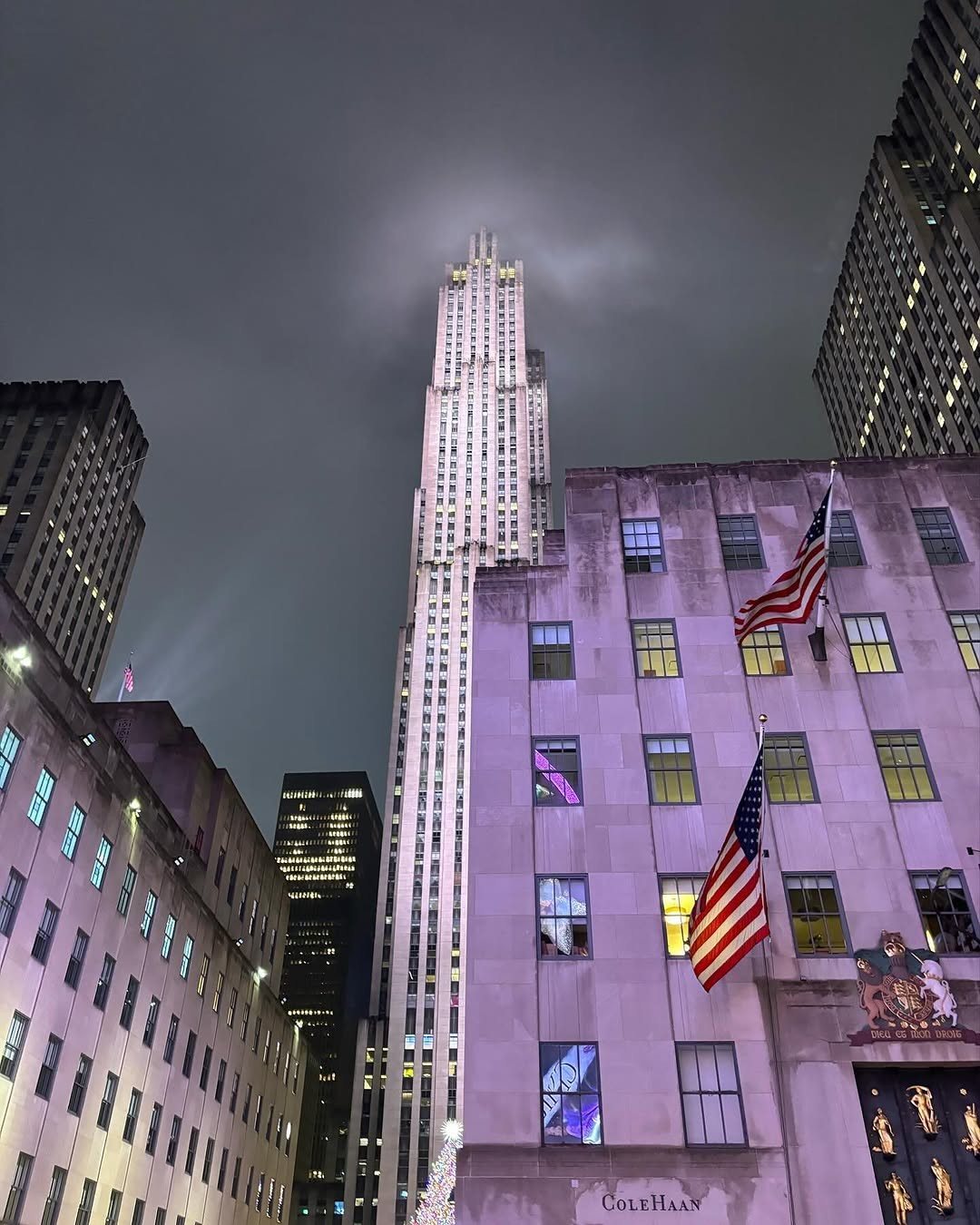
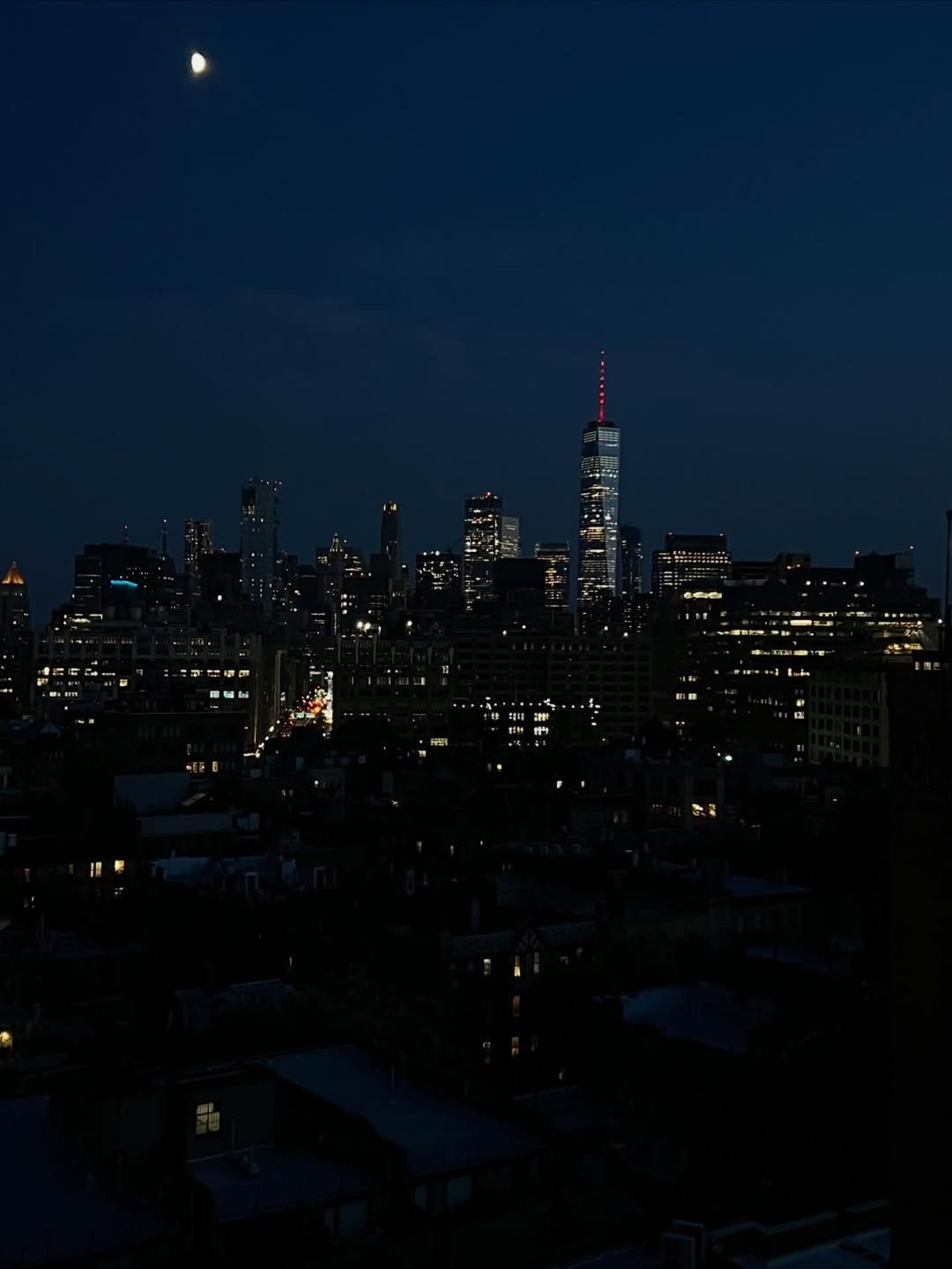
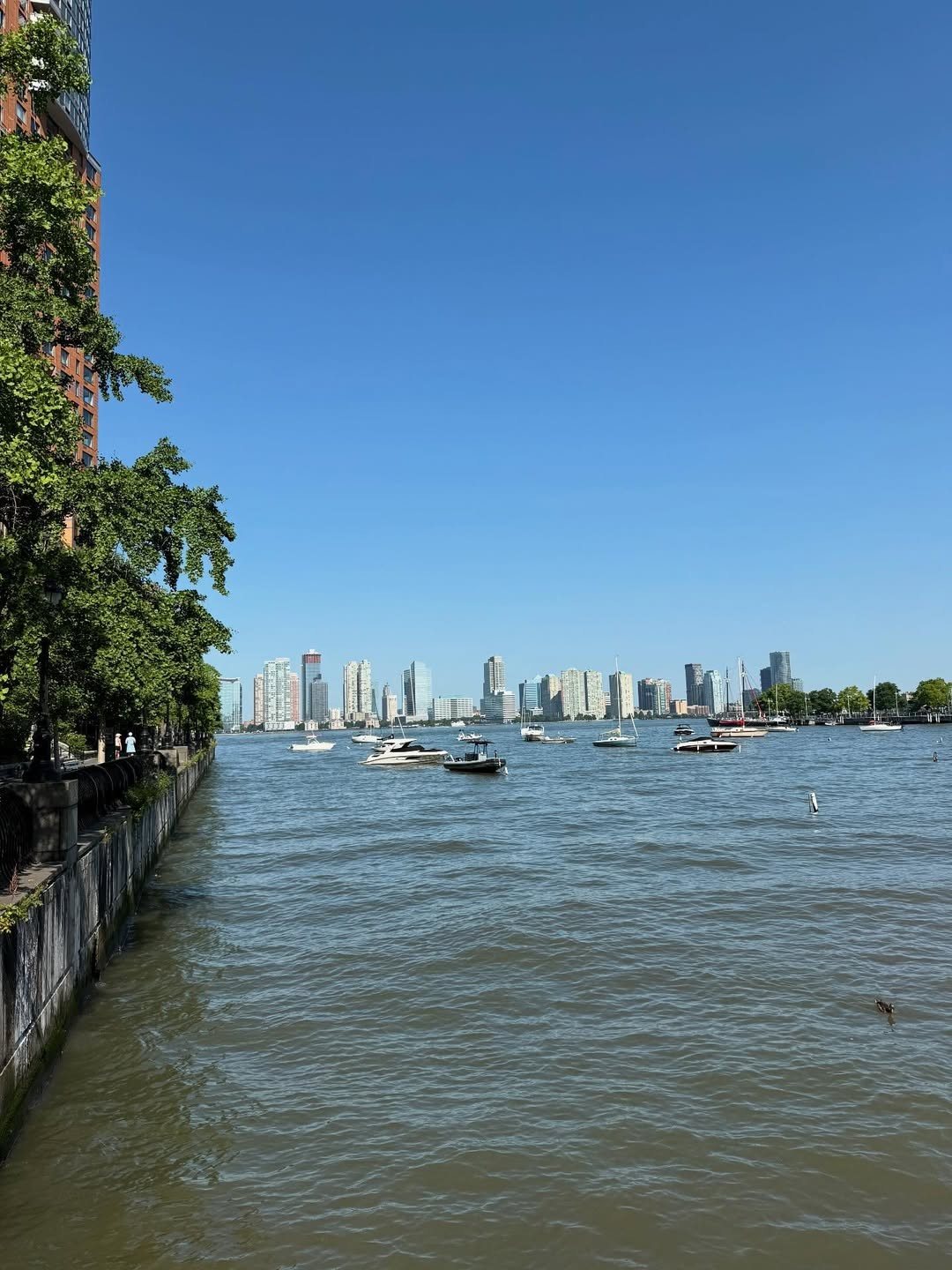
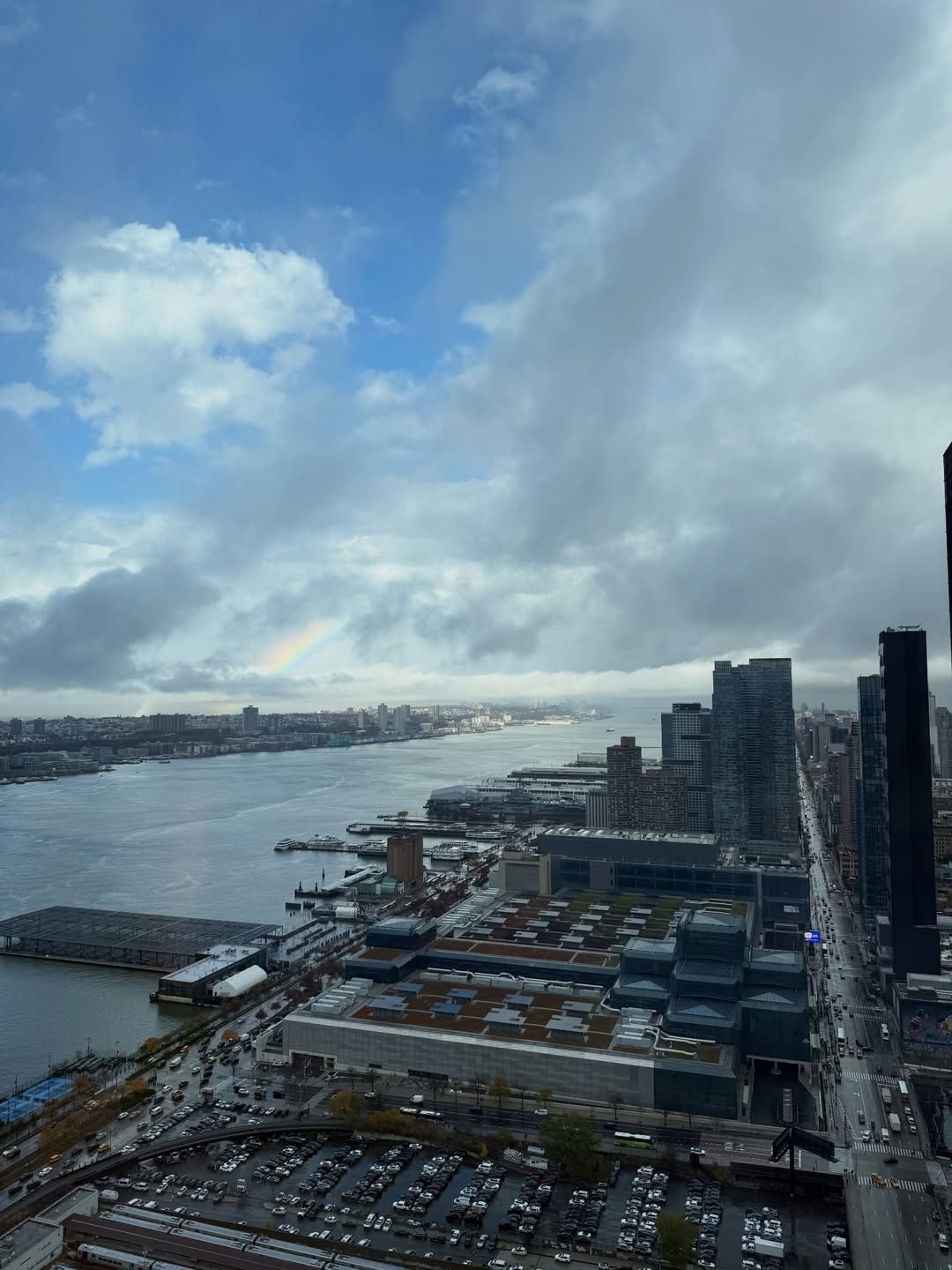
New York City's commercial roofs are among the most complex and heavily loaded in the country, and they operate under a regulatory microscope no other market matches. The building stock is staggering in range - prewar masonry lofts in SoHo and the Garment District, midcentury office towers across Midtown and the Financial District, industrial and warehouse footprints in Long Island City, Sunset Park, and the Bronx's Hunts Point, and the sprawling institutional campuses of hospitals and universities. These roofs work through hard Northeast freeze-thaw winters, humid summers of heat and UV, and the coastal exposure of a harbor city that Superstorm Sandy proved can flood and wind-batter low-lying commercial districts. Layered over all of it is Local Law 97, which ties building emissions and energy performance directly to the roof - its insulation, its reflectivity, and any planned replacement.
Dense, cluttered, hard-to-reach roofs
What sets New York roofs apart physically is congestion. Rooftops here carry HVAC, cooling towers, water tanks, elevator bulkheads, cell equipment, and tenant additions, and every one of those penetrations and curbs is a potential leak and a warranty exposure. Freeze-thaw cycling opens seams and flashing across the winter, and the coastal humidity and salt near the harbor corrode edge metal, fasteners, and equipment faster than an inland city. On a prewar building, the roof assembly may have been rebuilt in layers over decades, so no two areas are the same age or system - a reality a single glance can never capture.
Access itself is a management problem. Many of these roofs are difficult and expensive to reach and inspect, which is exactly why deferred conditions go unseen until an interior leak reaches a high-value tenant floor below.
Institutional owners and the Local Law 97 clock
New York commercial property is dominated by sophisticated institutional owners - REITs, large landlords, and university and hospital systems - holding assets on long horizons under intense budget scrutiny. For them the roof is no longer just a waterproofing question; under Local Law 97 it is an emissions and compliance question, and a re-roof is an opportunity to improve insulation and reflectivity that carries real financial consequences if mishandled. That raises the value of getting the condition assessment and the capital timeline right, and of separating roofs that genuinely need replacement from those a contractor would simply prefer to sell.
An independent read in a high-stakes market
We give owners and asset managers a standardized, vendor-neutral baseline - membrane type and age, seam and flashing condition, drainage, insulation moisture where warranted, and realistic remaining service life - with every defect photographed and located so reports are comparable year over year and inform both capital planning and compliance strategy. As part of our New York commercial roof advisory coverage, we track warranty terms and the conditions that ponding, unauthorized rooftop work, and undocumented storm damage quietly void, and we competitively bid and oversee the work a roof genuinely needs. In a market this dense and this expensive, an owner with an independent record decides roof capital on evidence and compliance value, not on the estimate of whoever holds the maintenance contract.
New York market coverage
We provide owner-side commercial roof advisory across New York, New York and the surrounding metro.