Philadelphia commercial roofing
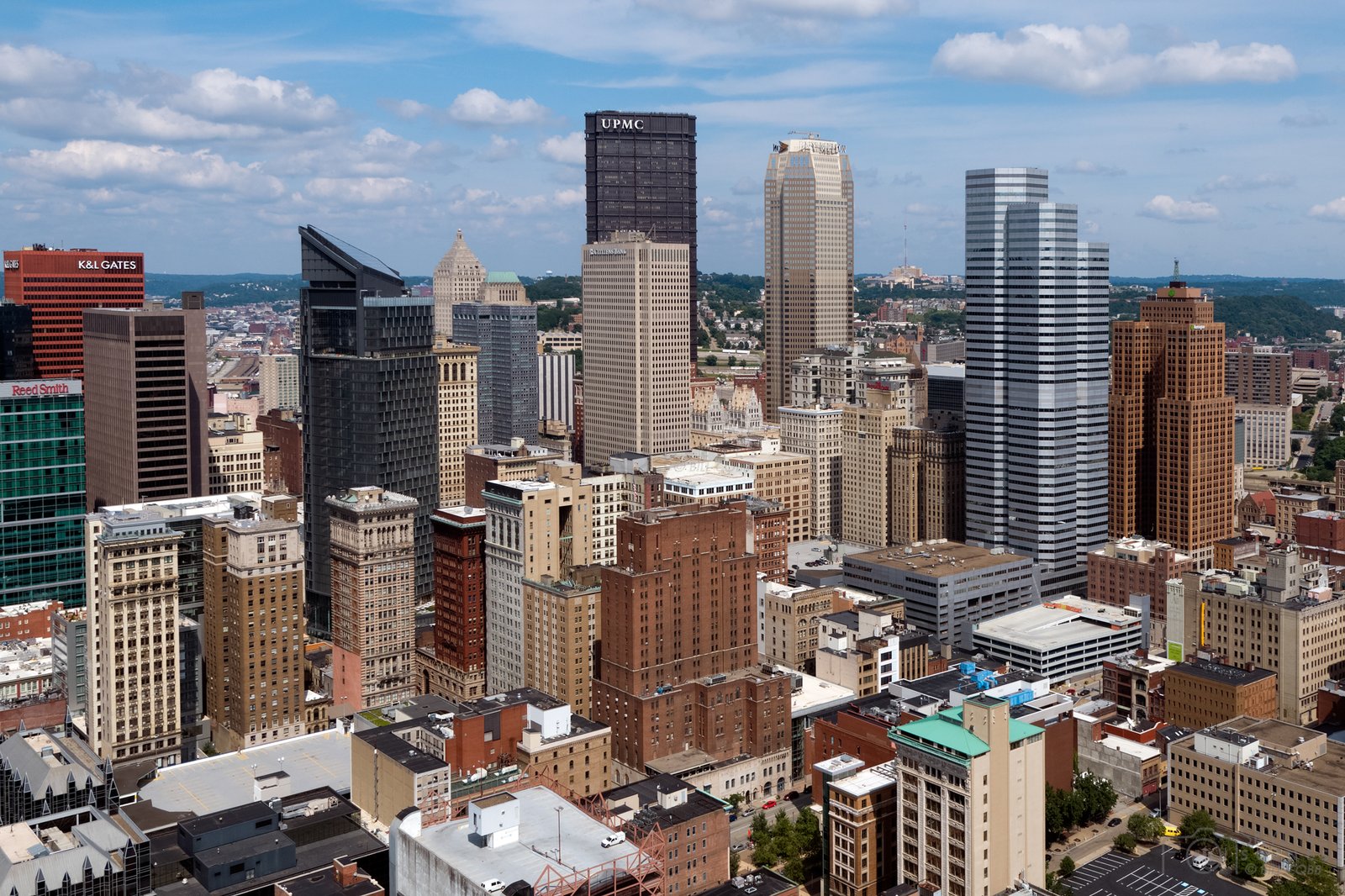
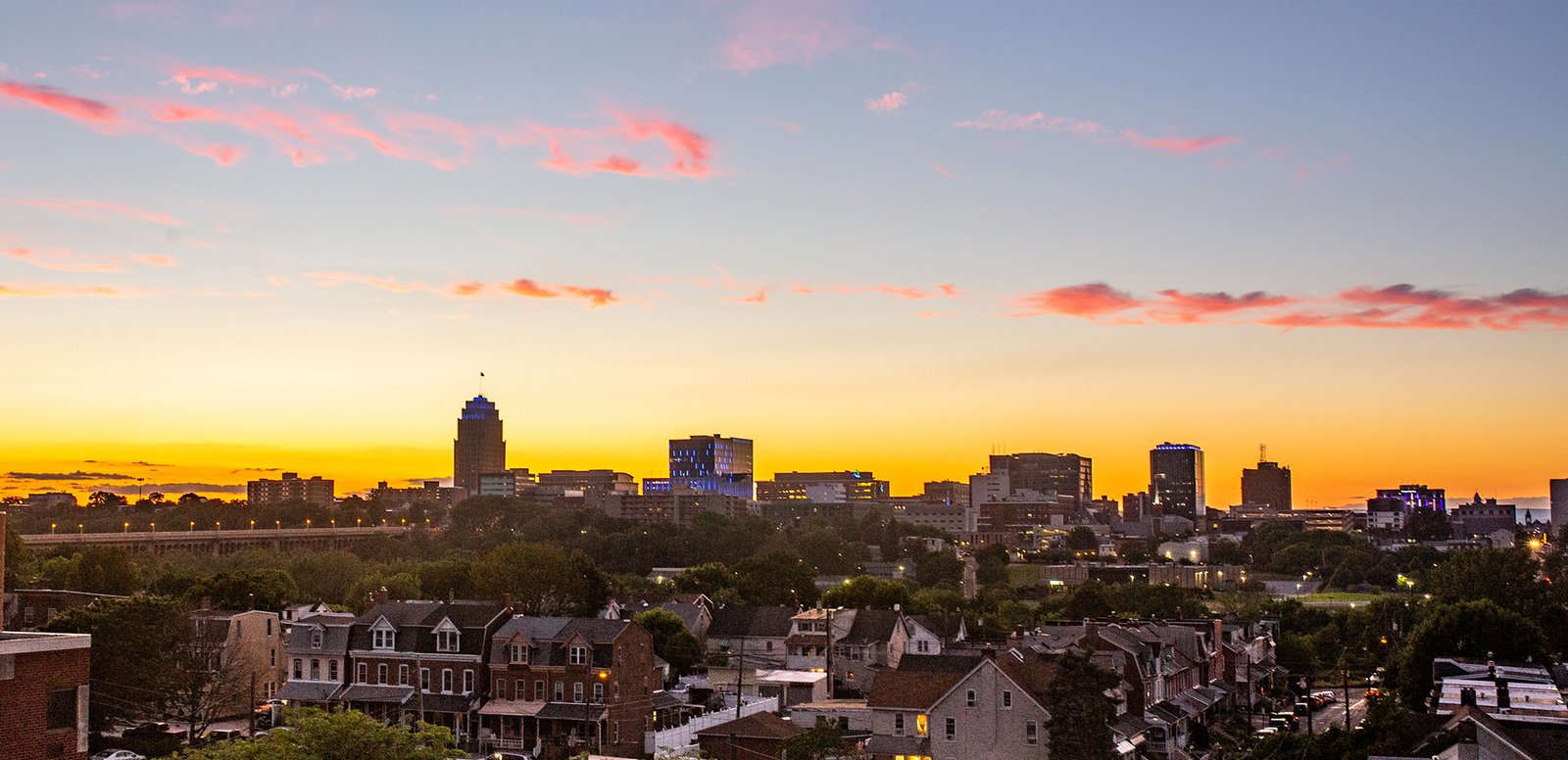
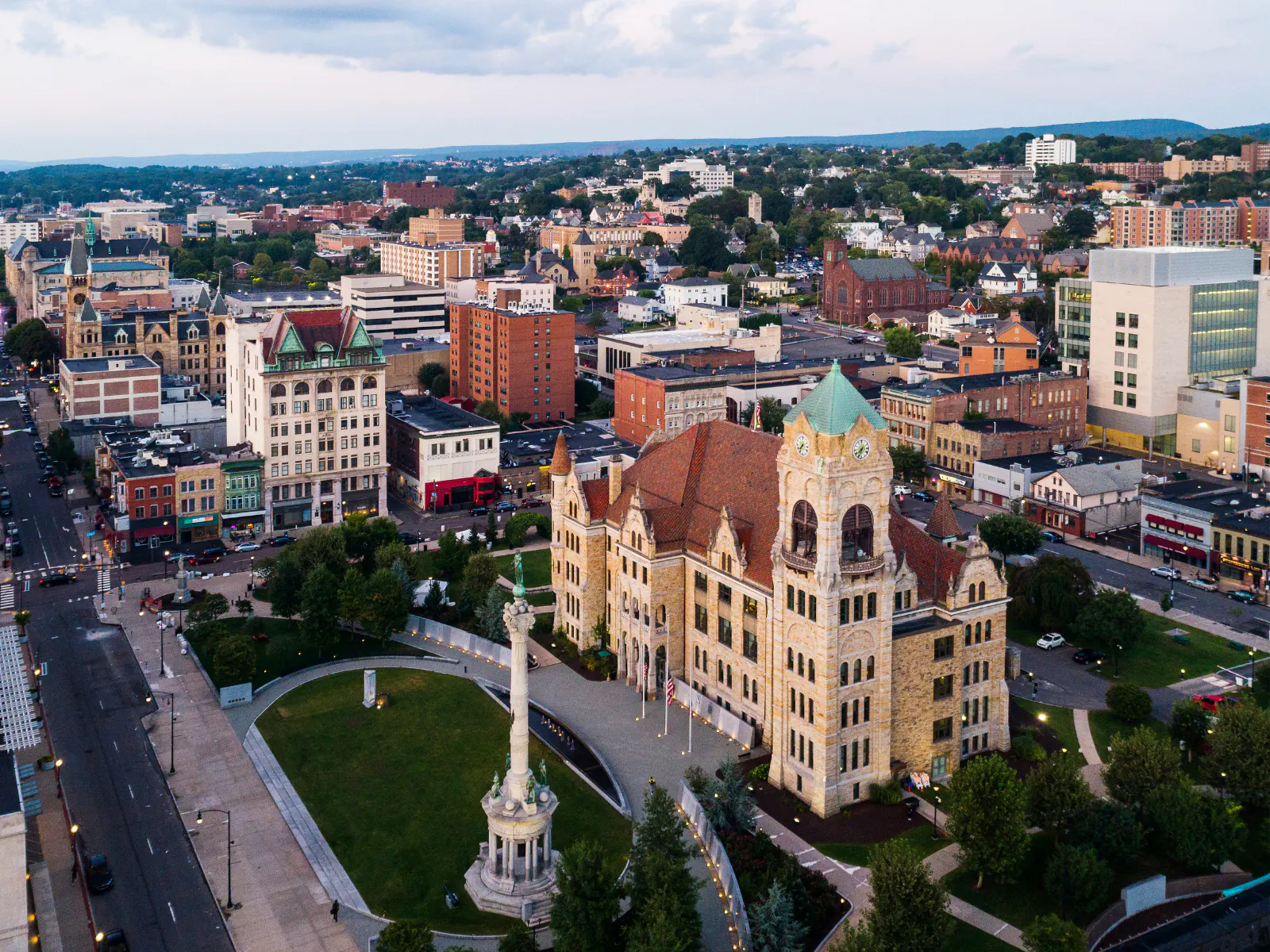
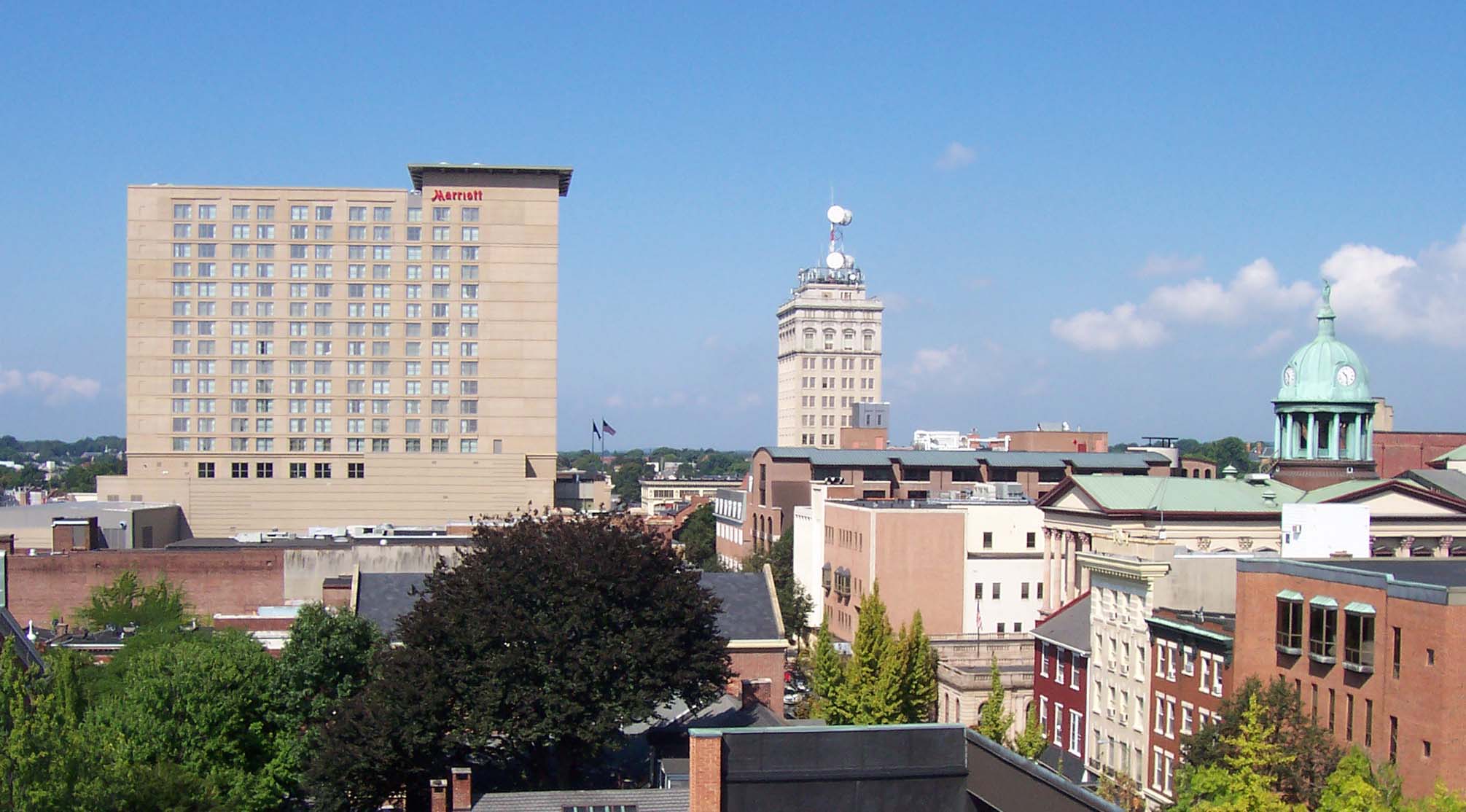
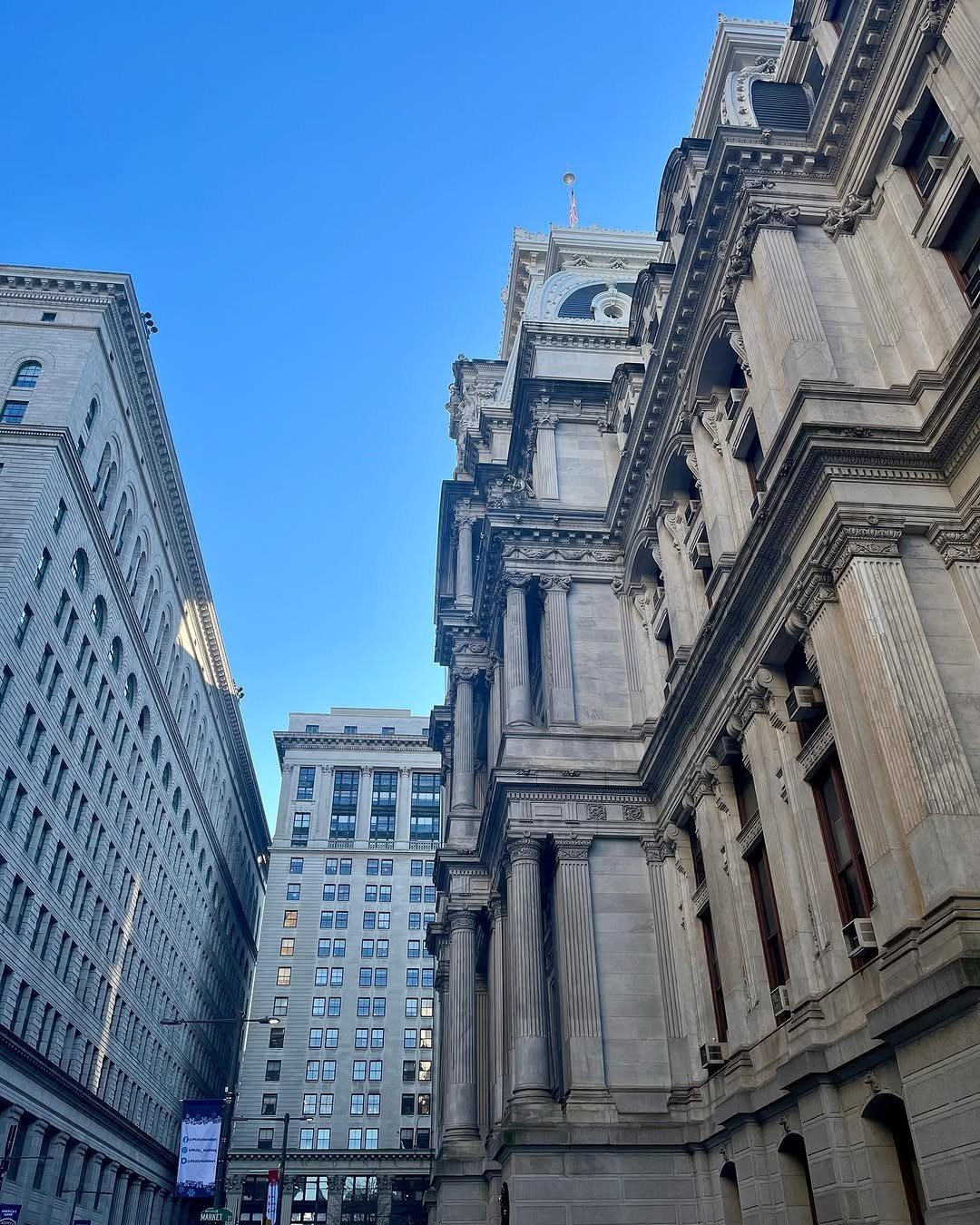
Philadelphia carries one of the oldest and most layered commercial roof stocks on the East Coast, and its Mid-Atlantic climate is unusually hard on all of it. Winters deliver a repeated freeze-thaw cycle - cold snaps, thaws, and refreezes that work open every seam and flashing - while humid summers bring heat, UV, and the heavy convective thunderstorms and occasional tropical remnants that overwhelm drainage. The building inventory is a study in age and type: the converted industrial lofts and mill buildings of Fishtown, Kensington, and the Navy Yard district, the Center City office towers, the medical and university campuses of University City, and the enormous distribution and logistics footprints reaching down I-95 and out along the I-76 and Pennsylvania Turnpike corridors toward the ports. Older masonry buildings and newer single-ply warehouses fail in completely different ways, and both are common here.
Freeze-thaw on aging assemblies
The defining hazard in Philadelphia is the winter cycling. Water that enters a seam or flashing during a thaw expands as it refreezes, prying details apart a fraction at a time until a slow leak becomes structural. On the city's older commercial buildings - many with roof assemblies rebuilt in layers over decades - that damage is uneven and hidden, because no two areas of the roof are the same age or system. Humid summers add their own load: prolonged heat and UV age membranes and dry out adhesives, and intense thunderstorm rainfall exposes any undersized or clogged drainage as chronic ponding.
Because Philadelphia's roofs are so varied in age and construction, an owner relying on a contractor's quick look gets a read on the easy-to-reach field and nothing on the details and edges where failure actually starts.
Old lofts, new warehouses, and long-hold owners
The commercial ownership here spans the extremes. On one end are institutional owners of Center City office and University City medical and academic real estate, holding complex older assemblies on long horizons. On the other are the operators of the region's booming logistics and distribution market, where younger single-ply roofs on huge footprints need protection through disciplined maintenance and strict warranty compliance. Those two groups need opposite strategies - extend and maintain the new, sequence and replace the old - and an owner-side condition report is built to tell them apart rather than manage to a single assumption.
A vendor-neutral baseline for a varied portfolio
We give owners, REITs, and asset managers a standardized record - membrane type and age, seam and flashing condition, drainage performance, insulation moisture where warranted, and realistic remaining service life - with every defect photographed and located so this year's report compares directly to next year's. As part of our Pennsylvania commercial roof advisory coverage, we track the warranty conditions that ponding, unauthorized rooftop work, and undocumented storm damage quietly void, and we competitively bid only the work a roof genuinely needs. Across a Philadelphia portfolio of mixed ages and construction, that independence is what keeps roof capital tied to documented condition instead of to whoever happens to be selling a re-roof.
Philadelphia market coverage
We provide owner-side commercial roof advisory across Philadelphia, Pennsylvania and the surrounding metro.