Leak-prone details on an existing metal roof
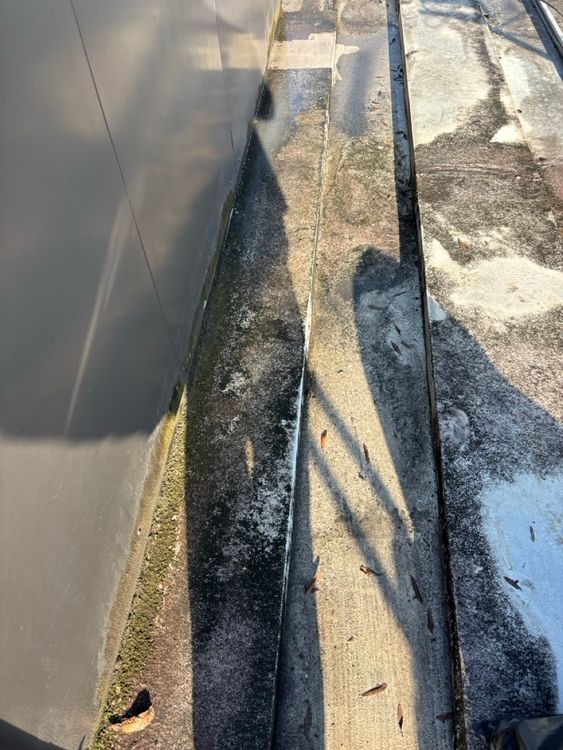
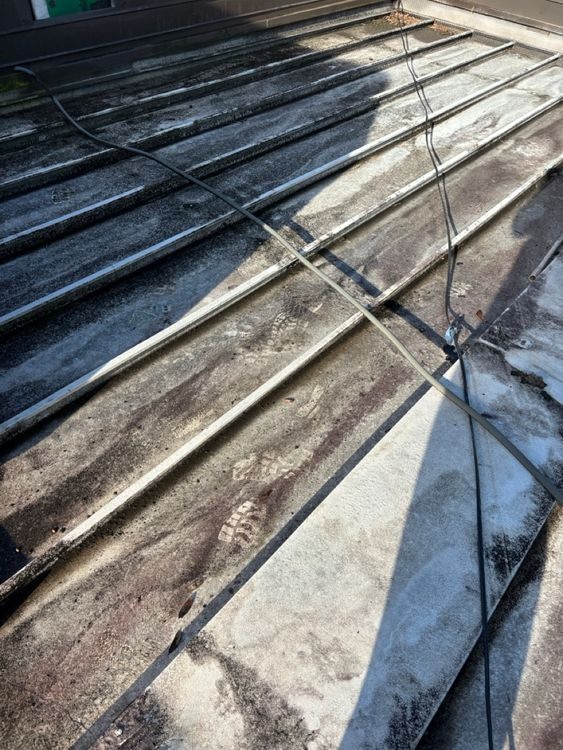
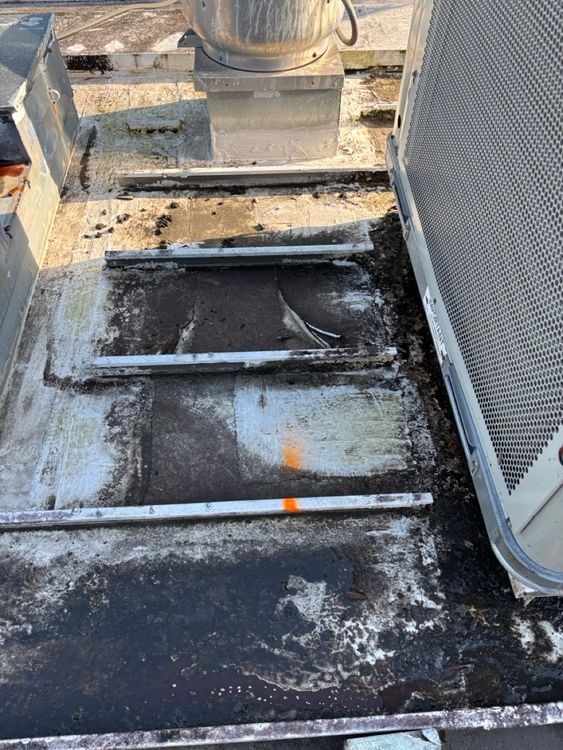
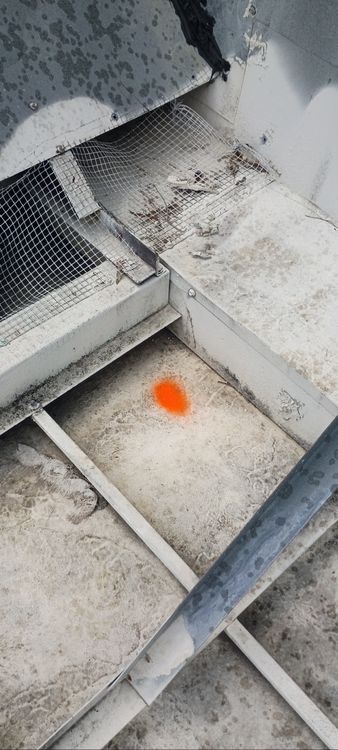
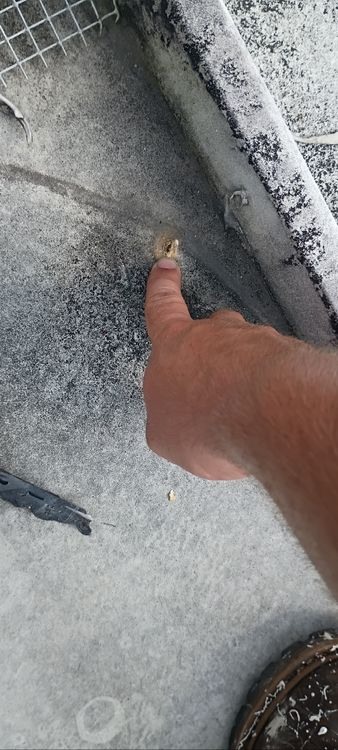
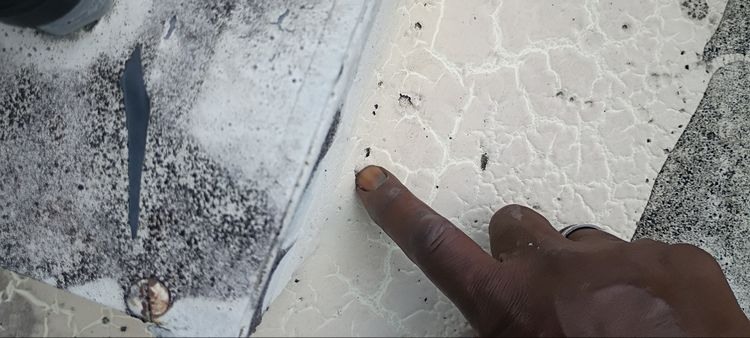
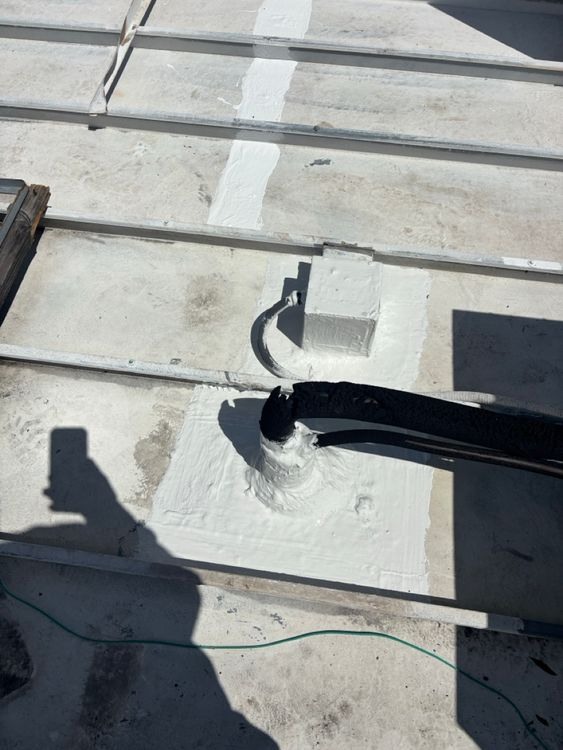
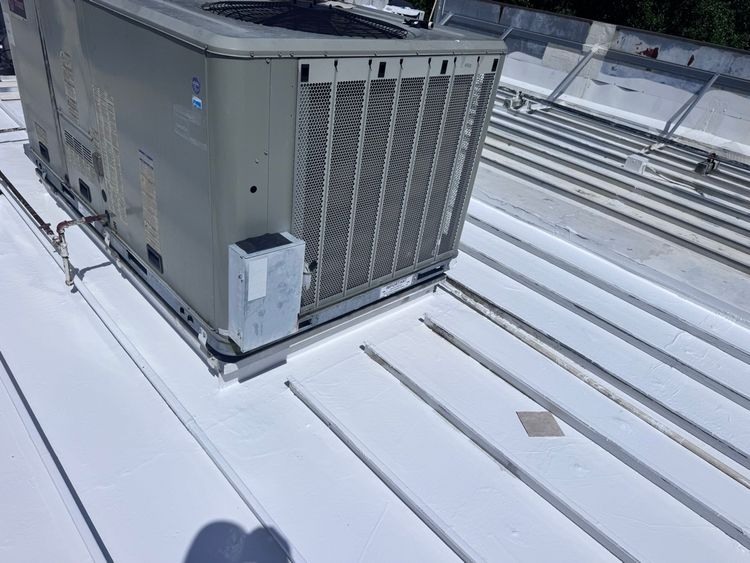
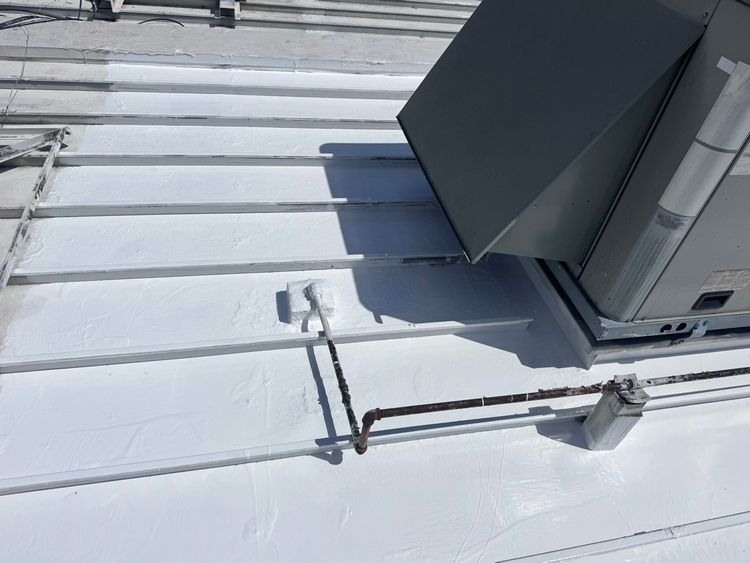
The inspection identified rust, failed coating, fastener concerns and localized openings within the designated work area. Curbs and roof penetrations created additional waterproofing details around the raised components.
The scope focused on those locations rather than replacing the full roof. Panel preparation, individual repairs and work around the penetrations were specified separately so the owner could understand what the localized investment included.
Cleaning and preparing the work area
The proposal called for pressure washing and cleaning approximately 700 square feet to remove dirt, debris, biological growth, loose coating and other surface contamination. The surface was to dry before the subsequent repairs and coating work.
Loose or failed material and visible corrosion required preparation. Fasteners were to be replaced, tightened or resealed as needed within the designated area, with localized metal patches at the identified deficiencies.
Sealing and reinforcing roof details
Compatible sealant and reinforcement were included at curbs, penetrations, seams, fasteners and localized patches. A compatible coating completed the specified treatment over the affected area.
The work scope also included checking coverage, adhesion, reinforcement and seal integrity, followed by removal of roof-work debris. The localized repairs were reported complete in September 2026. Separate gutter recommendations remained outside that completed scope.
A repair option with a defined boundary
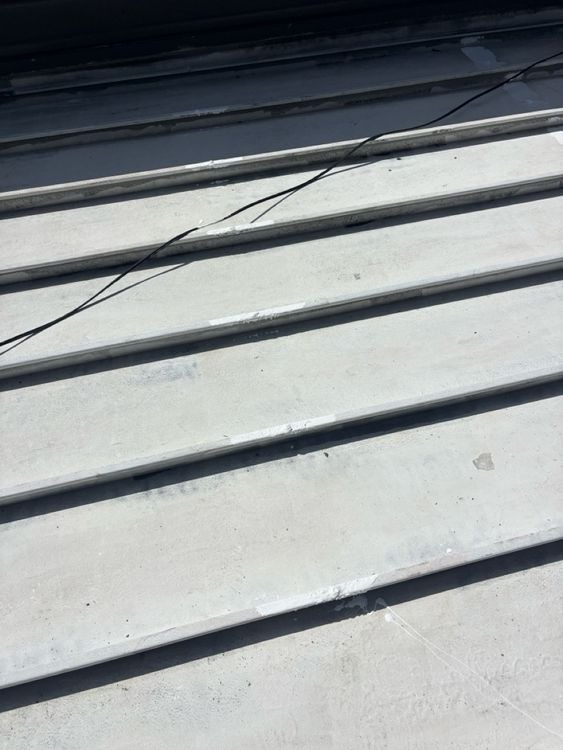
This was a repair and recoating project on an existing metal roof, not a whole-roof replacement. The approximately 700-square-foot boundary is important when comparing the completed work with larger rehabilitation options.
CRA helps owners understand where a limited intervention is appropriate and what it leaves for future planning. On another metal roof, panel condition, corrosion, existing materials and preparation requirements would determine whether repair, coating or replacement offered the soundest approach. The recommendation should follow those conditions rather than begin with a predetermined product.