Water entry at an entertainment venue can come from more than one building detail
When an occupied entertainment venue reports water inside, the visible stain or wet surface is only the beginning of the investigation. The Columbus field review looked at roof-adjacent transitions, exterior wall interfaces, thresholds, sealant lines and roof-surface details that could allow water to enter or travel through the assembly.
That distinction matters for a building that needs to stay open and usable. A quick patch at the first suspect detail may be appropriate for stabilization, but a lasting recommendation needs to separate roof conditions from wall, door, panel and equipment-related paths before a contractor assigns a final scope.
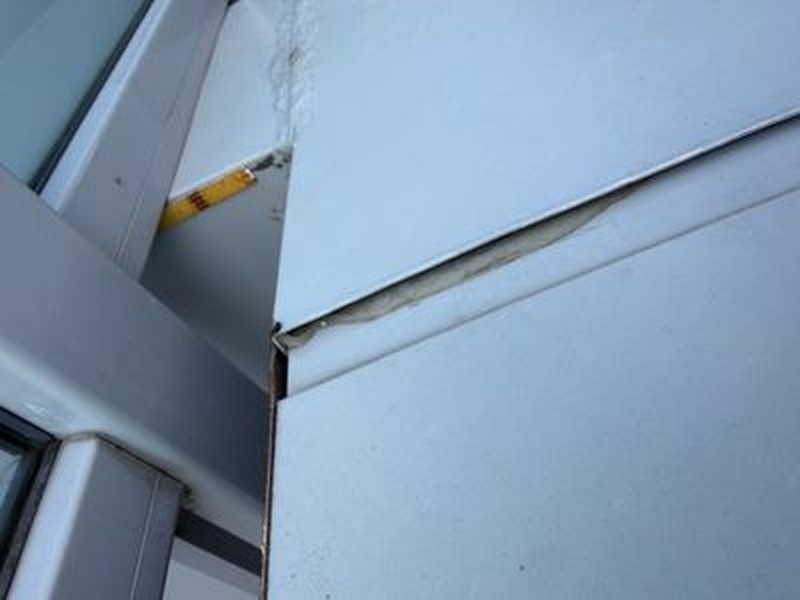
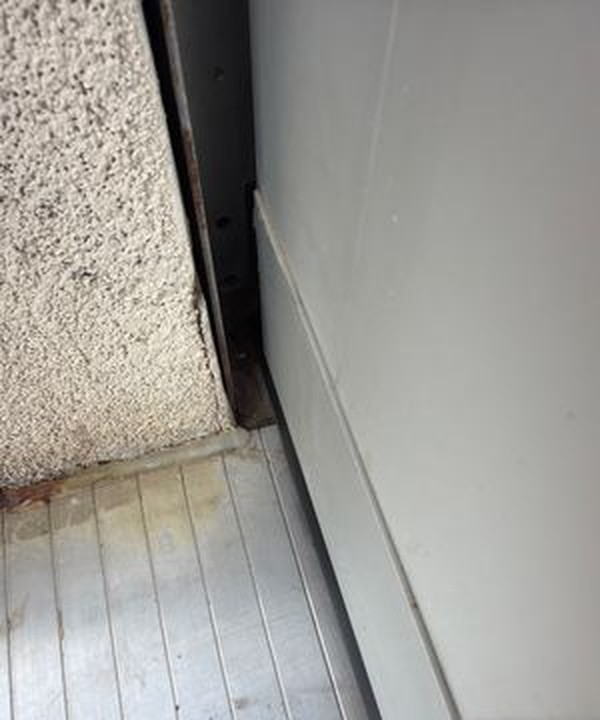
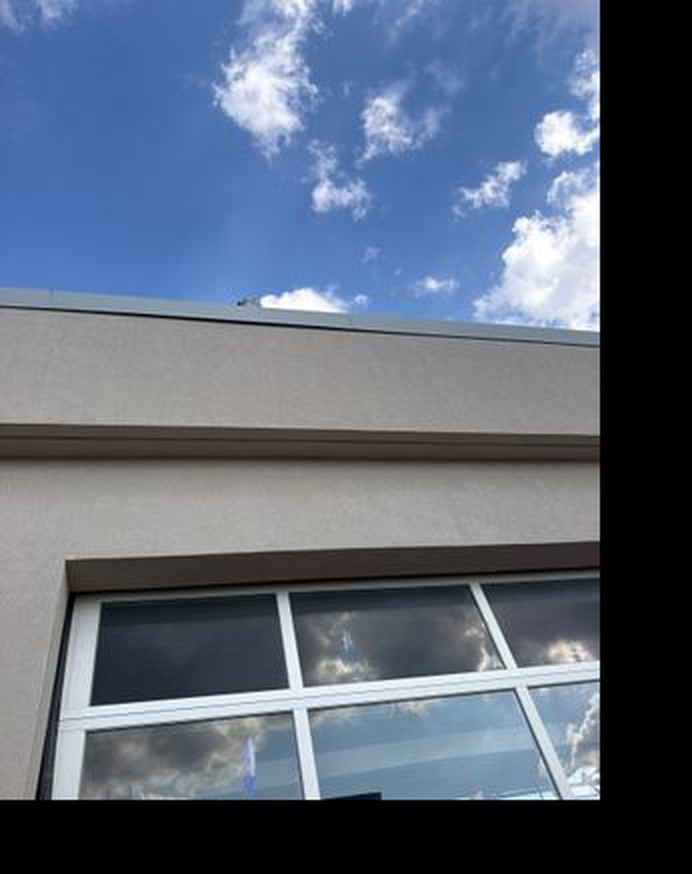
The roof-to-wall and roof-to-panel transitions needed closer review
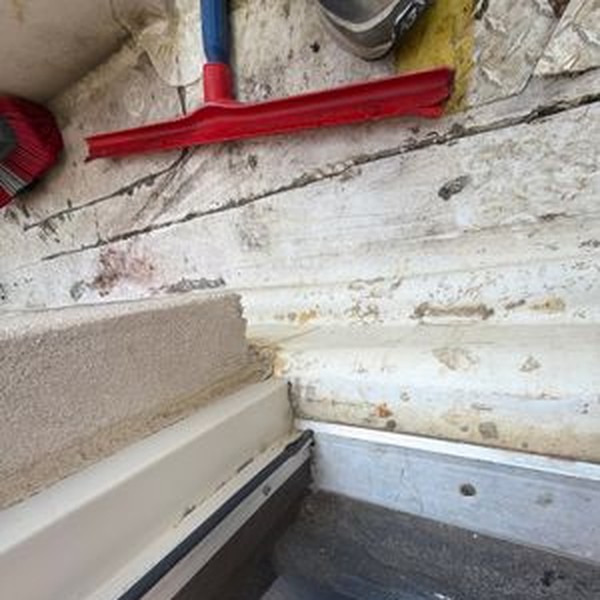
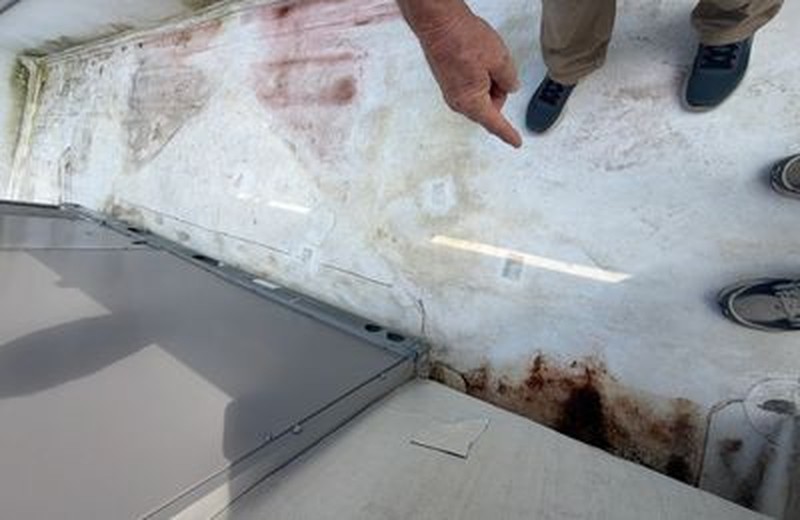
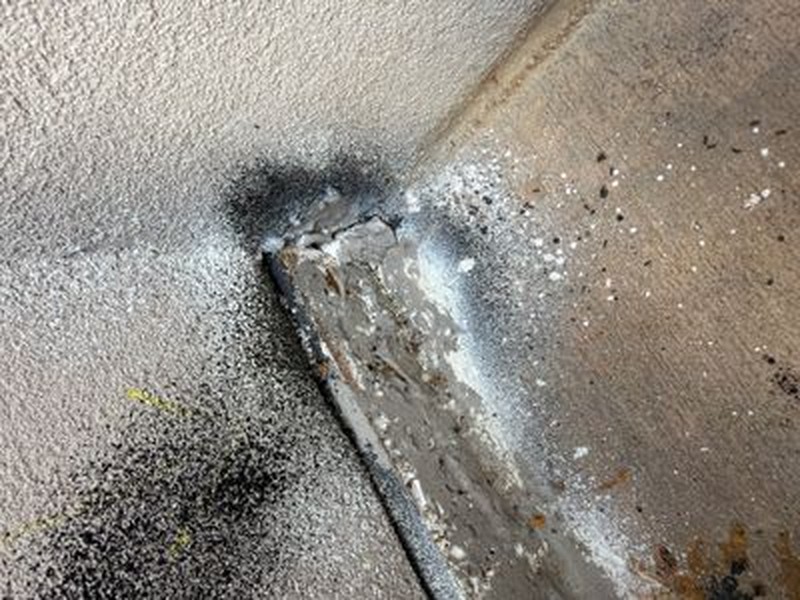
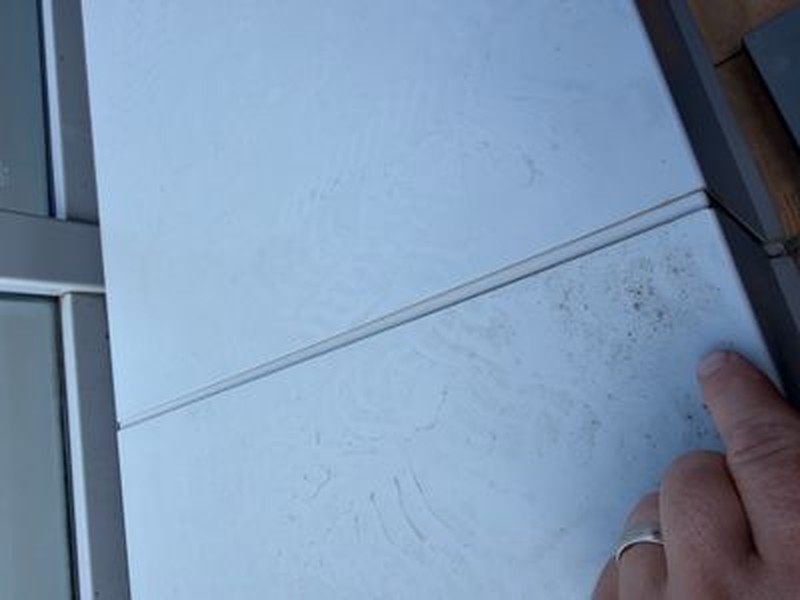
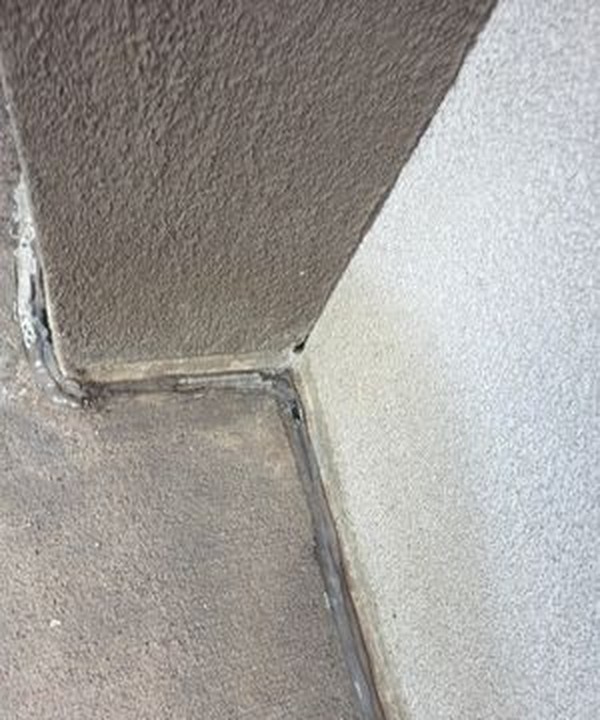
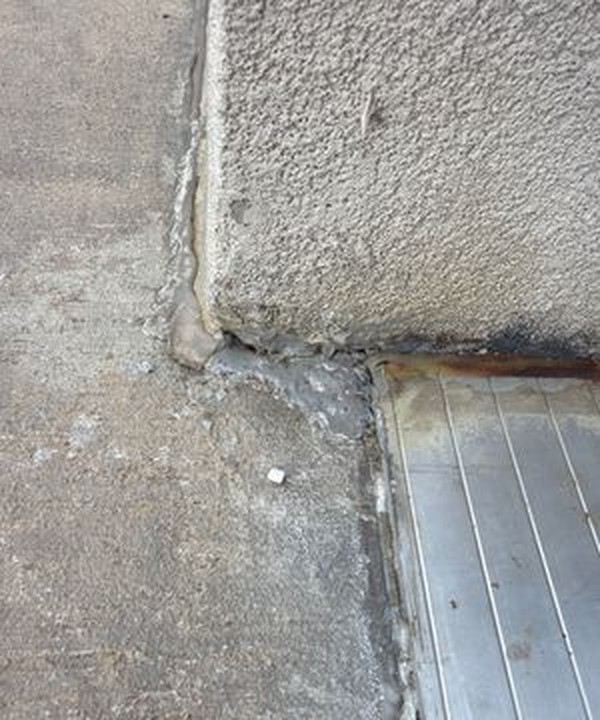
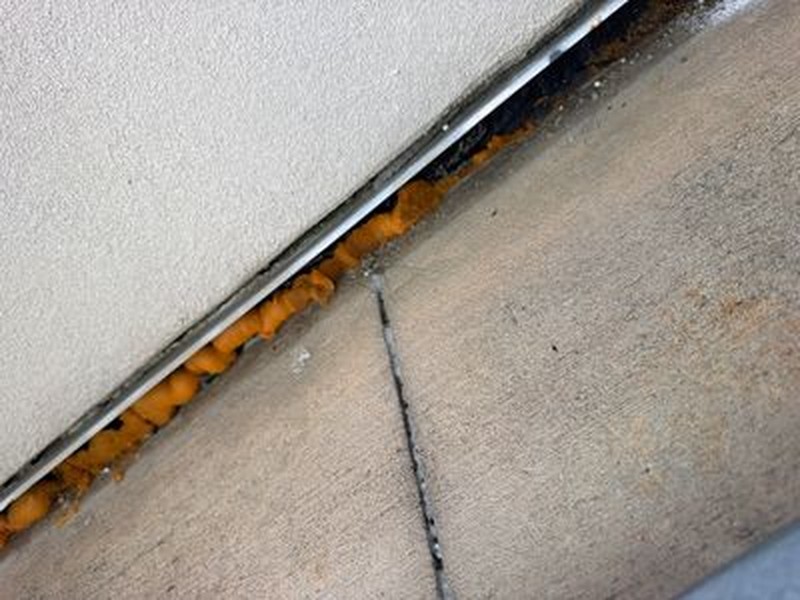
The field photographs show aging sealant, open-looking joints, prior patching and transitions where different materials meet. These are high-value inspection points because the roof membrane, wall panels, metal trim and adjacent components do not move or drain in exactly the same way.
A practical repair plan identifies each location by condition, then defines whether the work is a membrane repair, flashing correction, sealant replacement, panel-interface repair or a separate trade item. That keeps the owner from paying for a vague repair package that does not clearly state what is included.
Prior repairs still need to be evaluated in context
One documented roof detail includes an earlier patch or sealant application. Previous repair work is not automatically a failure, but it does deserve a closer look when water entry continues. The important question is whether the existing detail is intact, tied into the surrounding materials correctly and located at the actual source of water entry.
For this assessment, the record supports targeted diagnostic work before a final repair quantity is promised. Selective water testing, review of the affected interior areas and confirmation of drainage and transition conditions can narrow the scope without overstating what the first visit proved.
Options should match the evidence and the way the building operates
CRA gives owners options that reflect the actual condition: stabilize an immediate opening, investigate the most likely transitions, define a focused repair or plan broader corrective work if the findings justify it. That approach helps an owner control risk and budget without treating every leak report as a full roof replacement.
For this Columbus-area entertainment venue, the preliminary assessment is a starting point for a documented repair decision. The next scope should state the tested areas, the confirmed conditions, the limits of the work and the recommended follow-up so the building team can make an informed decision.