The roof details were as important as the field surface
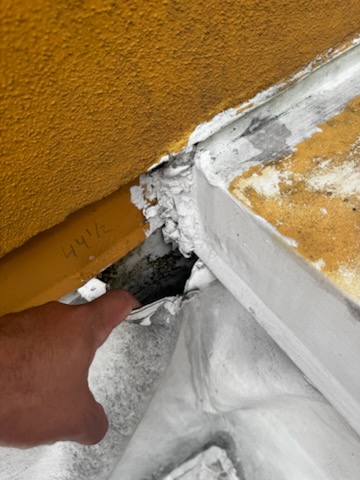
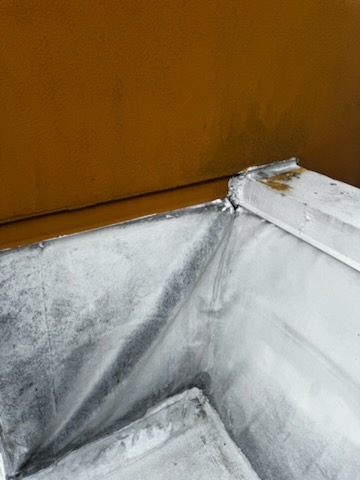
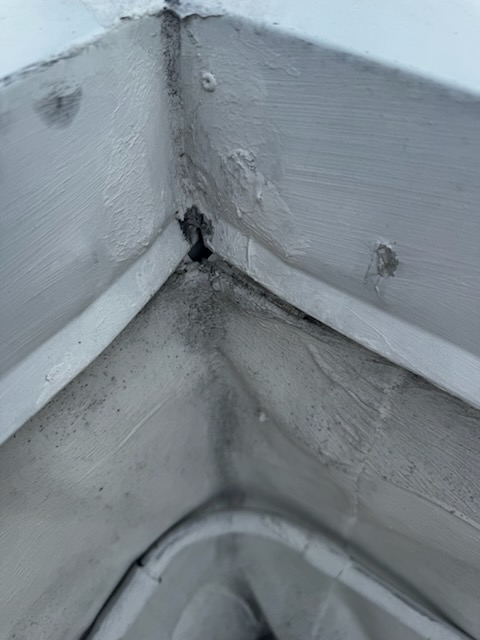
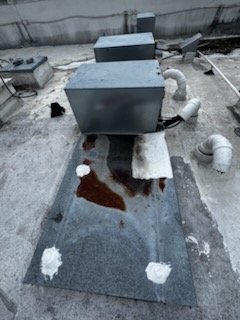
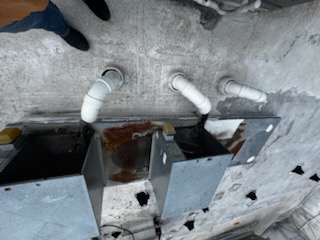
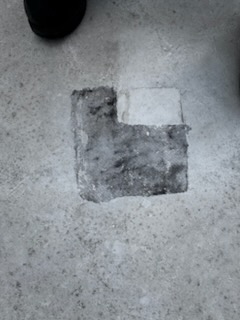
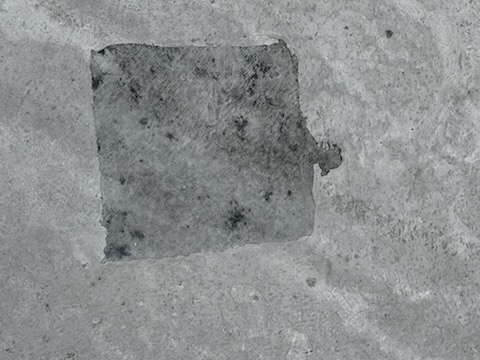
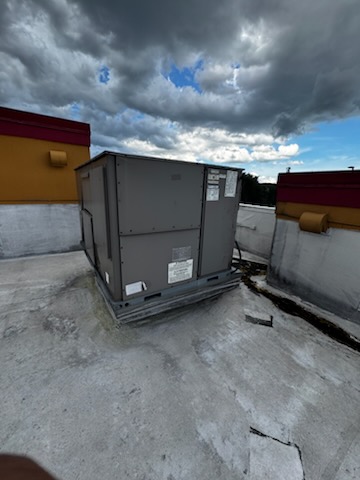
The assessment documented vulnerable wall-to-roof transitions, aging patch areas and equipment-related details. These are the places where a roof can continue to leak even when much of the field surface appears serviceable. The proposal treated the restaurant's reported water-entry concern as a building-envelope question, not simply a request to apply more sealant.
For an occupied restaurant, that distinction matters. Kitchen operations, guest areas and equipment all depend on a repair or restoration plan that identifies the transitions, penetrations and roof edges that deserve attention before the larger system decision is made.
Rooftop equipment needs a watertight approach, not a workaround
The field record included rooftop mechanical equipment, curb flashings, pipe penetrations and older patched areas. Each one creates an interruption in the roof assembly. A useful scope has to account for how the new or restored roof surface will turn up at curbs, tie into existing flashing and address details that have already received maintenance over time.
That is why the proposed options included detail work alongside the main roof approach. The goal is not to conceal a vulnerable area under a coating or a new membrane. It is to define how that area becomes part of a continuous water-shedding system.
Two options make the tradeoffs visible
One proposed path uses a mechanically fastened 60-mil TPO layover, subject to final field confirmation. This approach focuses on adding a new membrane assembly over an eligible existing roof. The second path considers a silicone restoration, but only if adhesion testing confirms the existing surface can support that system.
Those are materially different choices. A layover can be the better fit where the existing roof can support a new assembly and the details can be properly integrated. A restoration can preserve serviceable material and reduce disruption when the substrate and adhesion results support it. The proposal gives the owner a way to compare the approaches before choosing a direction.
The next step is an informed authorization
This page documents a proposed course of action and the observed roof conditions. It is not a claim that either option was installed, that testing passed or that a warranty was issued. Final scope depends on site verification, the selected system and owner authorization.
CRA gives commercial owners options so they can understand both the immediate need and the practical routes forward. For a restaurant roof, that means explaining the effect of each approach on the existing assembly, critical details and operating environment before a long-term commitment is made.