A leak investigation begins with the roof surface and the reported interior area
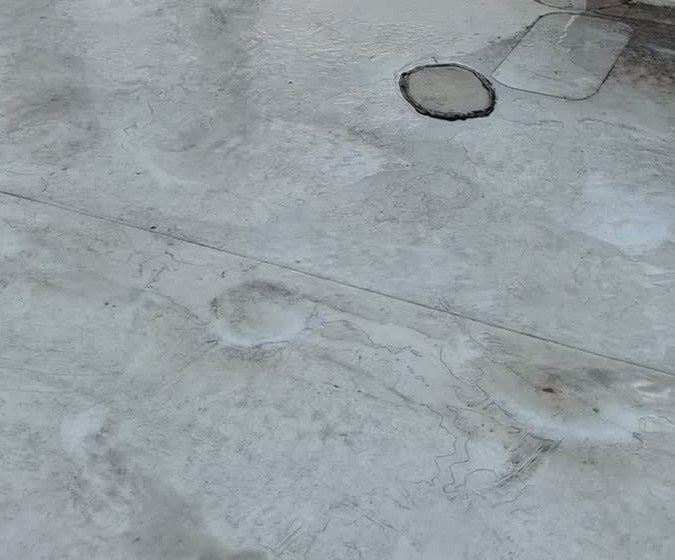
A travel center operates around the clock, so a roof leak needs to be evaluated without assuming that the first visible mark tells the whole story. The field review documented the existing low-slope membrane, rooftop equipment-side conditions and a localized detail in the roof surface. Those observations establish where a repair investigation should begin.
Water can travel through a commercial roof assembly before it reaches the interior. A useful leak investigation follows the reported symptom back to the roof, examines nearby seams, penetrations, curbs and drainage paths, then identifies the work area that needs a closer test or repair detail.
Localized details need a defined scope
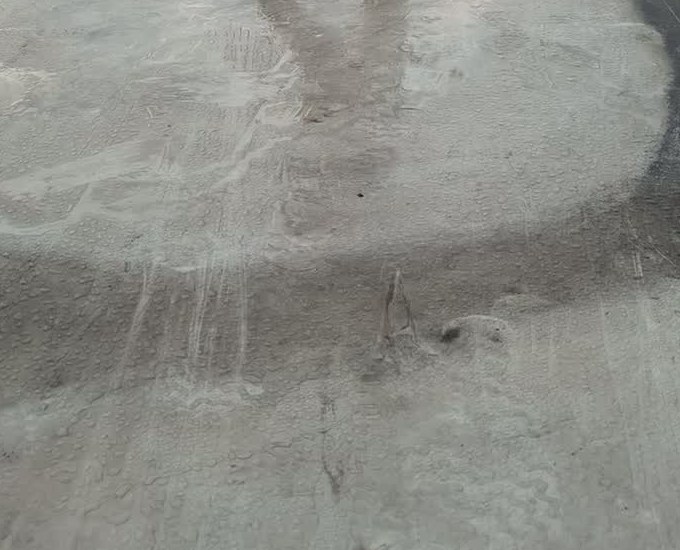
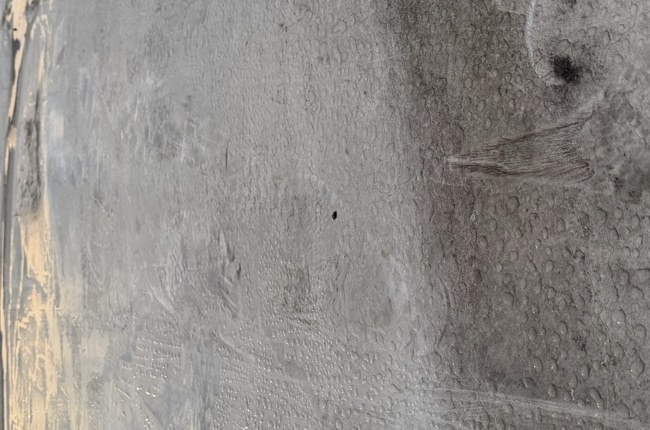
The field imagery shows an existing membrane detail beside a raised rooftop component, along with broader areas of weathered roof surface. A repair at that location must be specific about what is being sealed, patched or rebuilt. It should also state whether adjacent seams, flashing or low areas are included rather than leaving those limits to assumption.
For building ownership, that clarity protects both the immediate response and the budget. A targeted repair can be appropriate when the condition is isolated. If the active investigation identifies repeated deterioration beyond that area, the owner can evaluate a broader maintenance or capital plan with better information.
Standing water and equipment transitions deserve attention
The roof record includes a shallow low-area condition and the membrane around rooftop equipment. These are different but related parts of a leak investigation. Water that remains on the surface keeps seams and transitions exposed longer, while equipment curbs and penetrations introduce vertical connections that need their own flashing details.
The images record observed conditions, not a promise that one repair will resolve every possible water path. The next scope should connect the roof observations to the interior report, confirm the active source where needed and explain what will be checked after the work.
A practical path for active commercial leaks
CRA helps owners separate the immediate leak response from the longer decision about the roof. We explain what the inspection found, what a focused repair can reasonably address and which conditions should remain under observation. That gives an owner options without disguising the limits of the available evidence.
For this Monroe-area travel center, the field record supports a targeted repair-planning conversation. A final repair recommendation should be based on the active roof conditions, access needs and the operating requirements of the facility.