
Two leak reports require a focused roof investigation
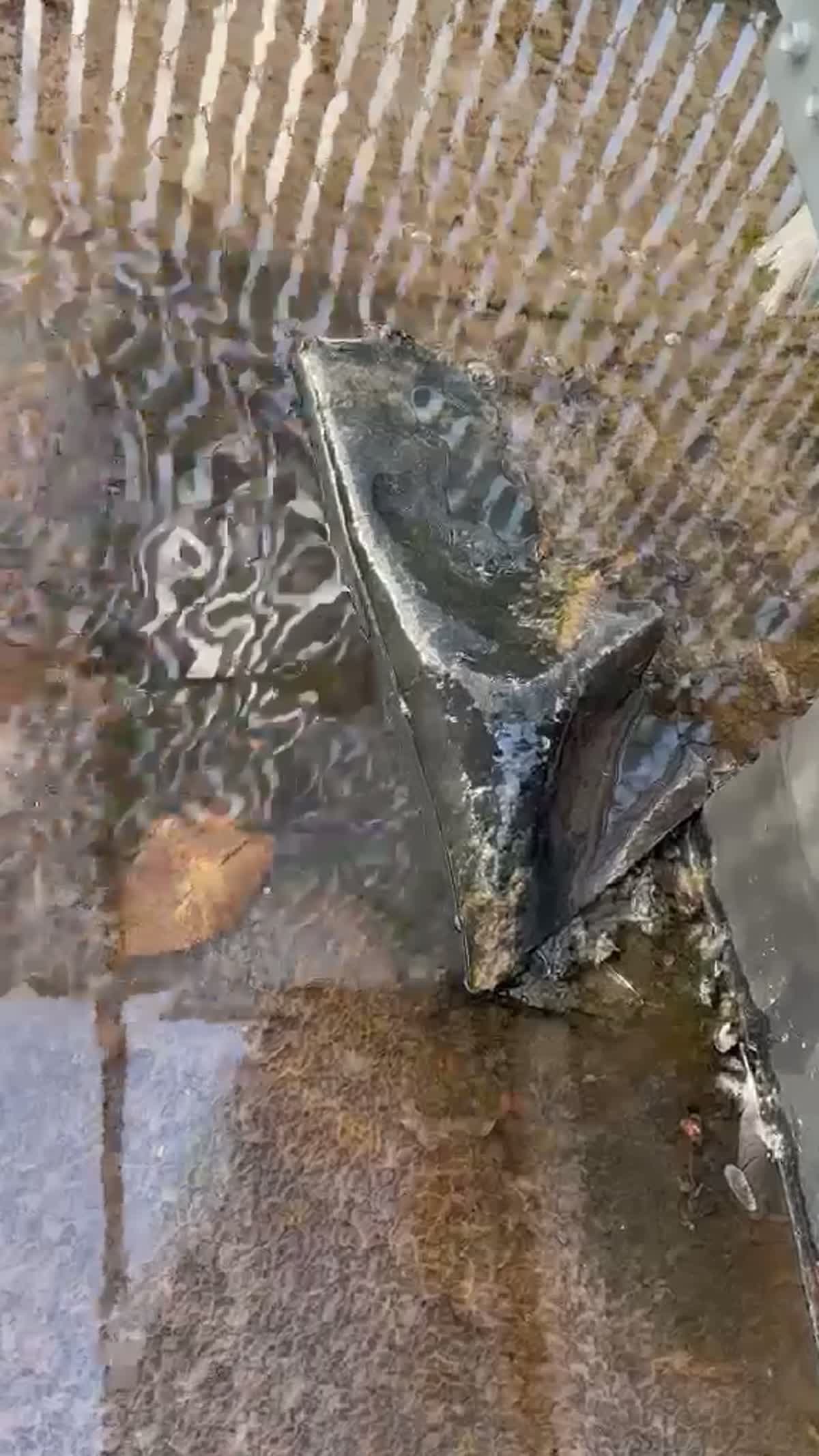
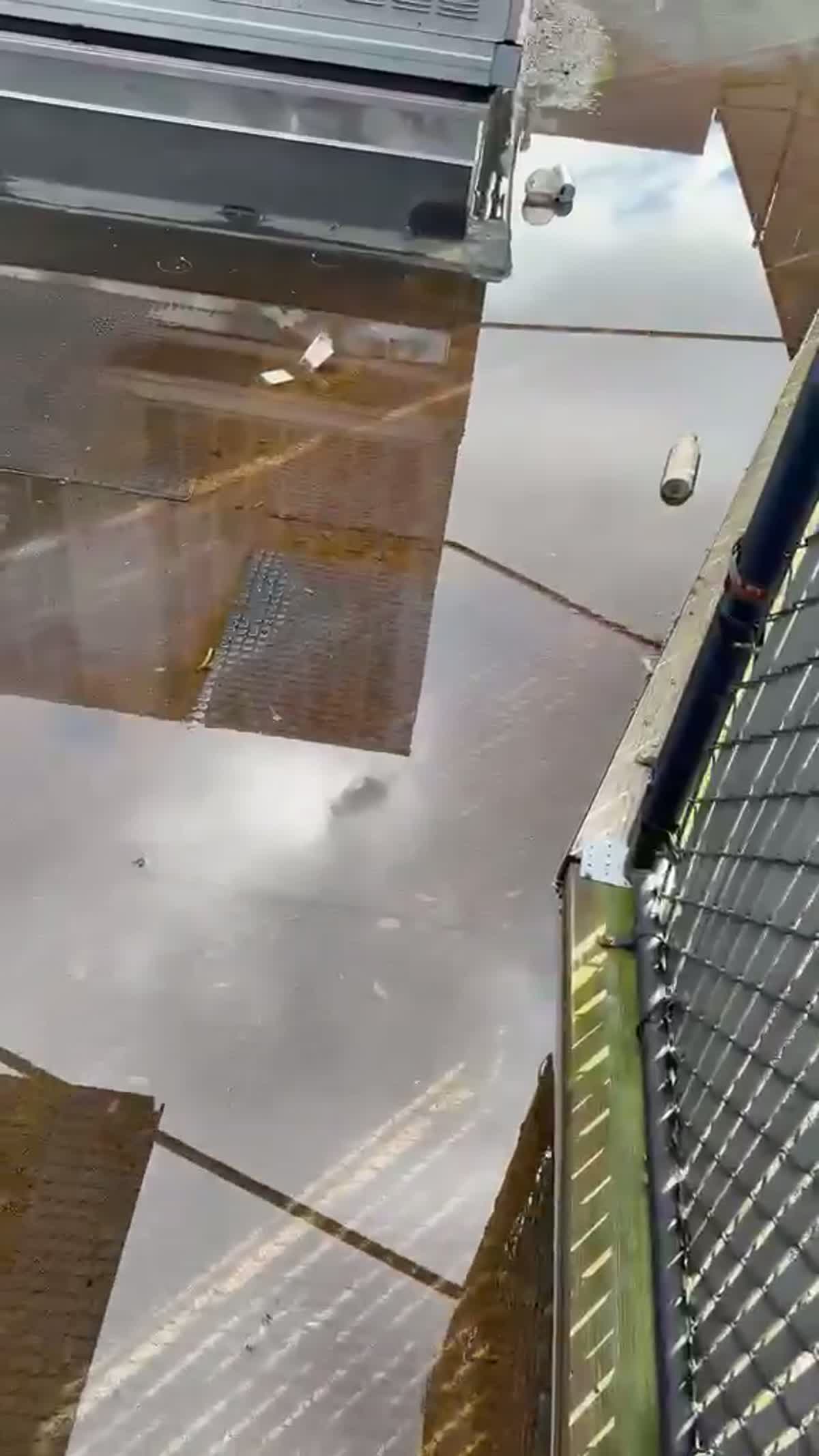
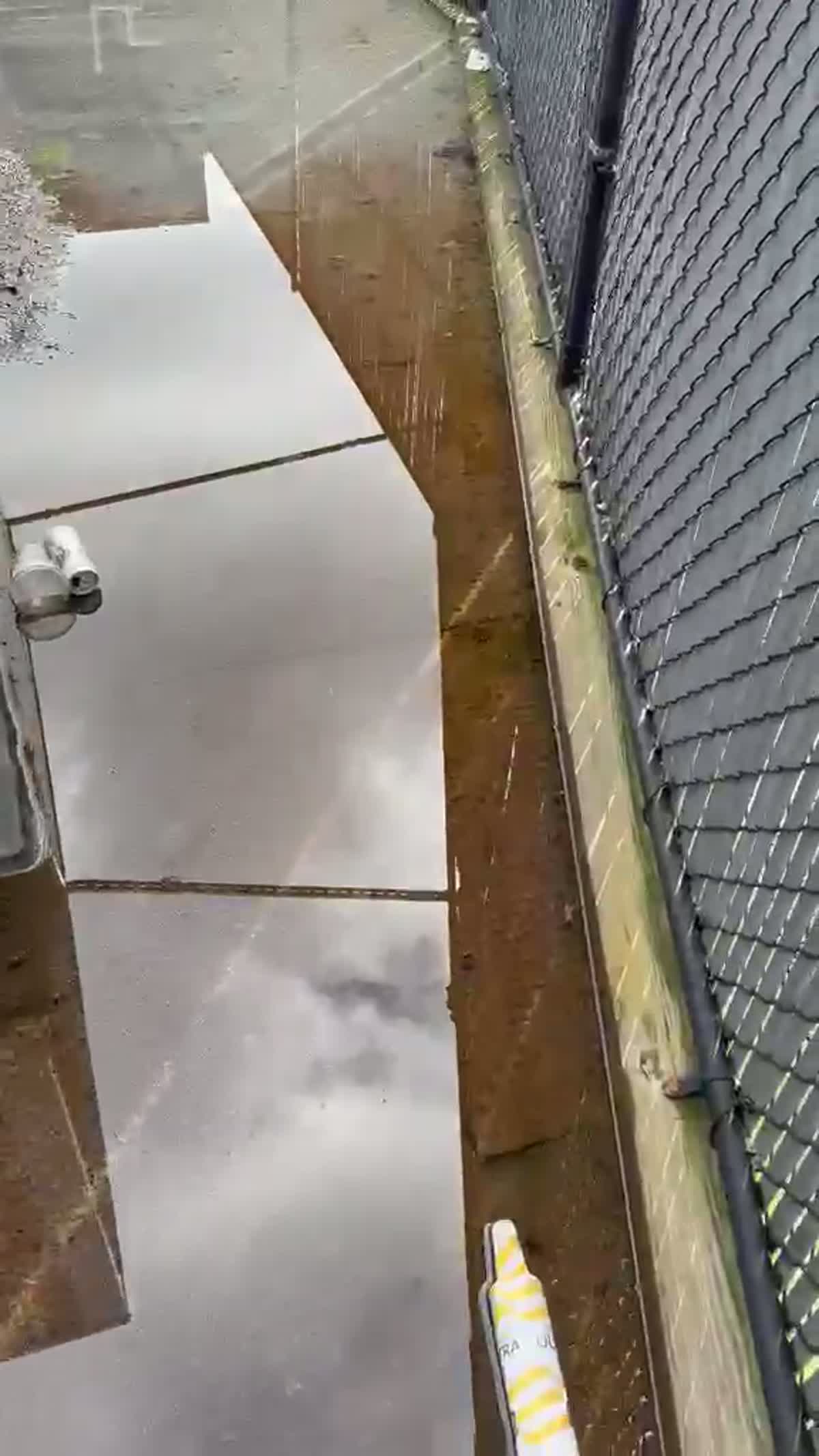
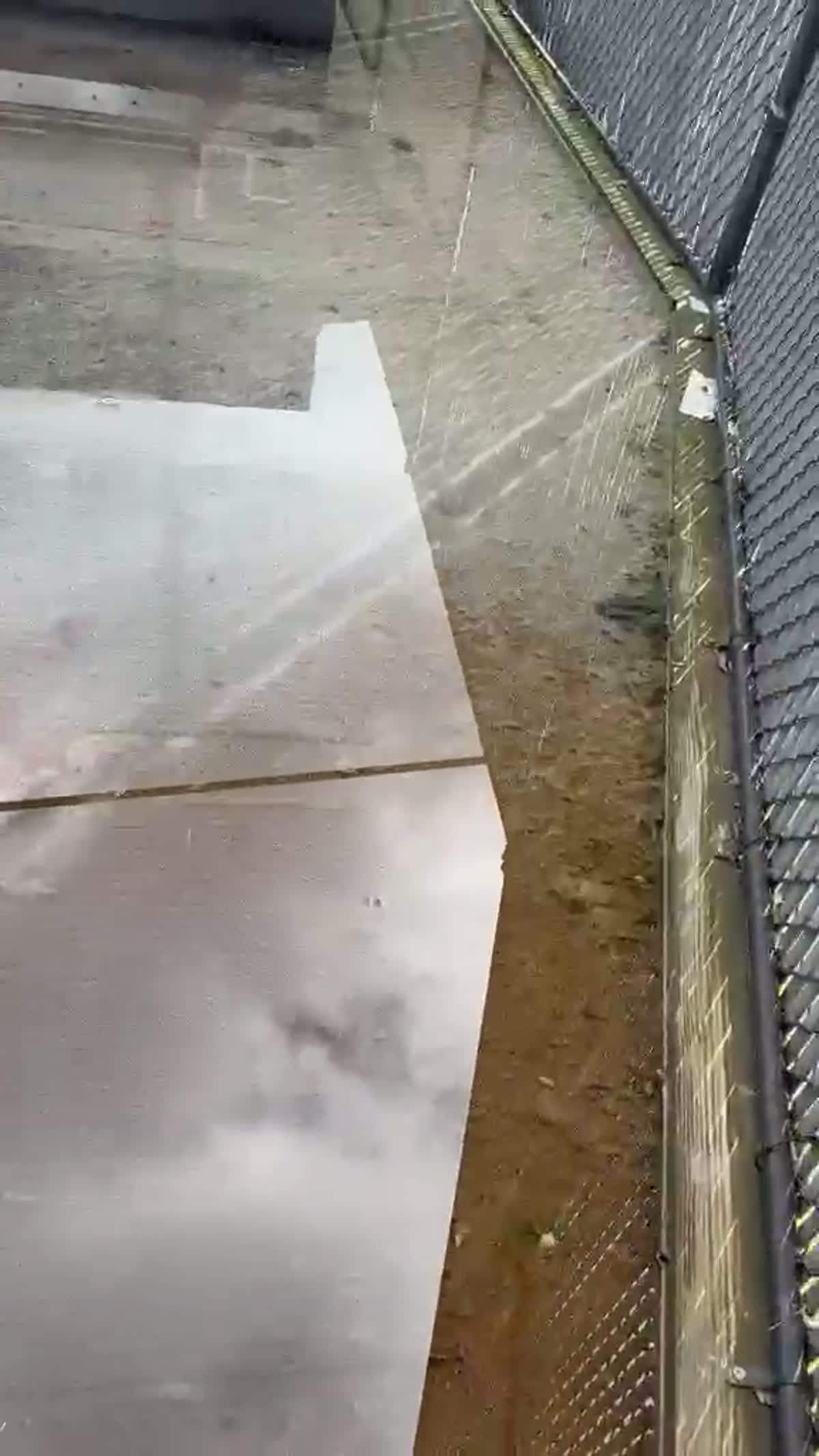
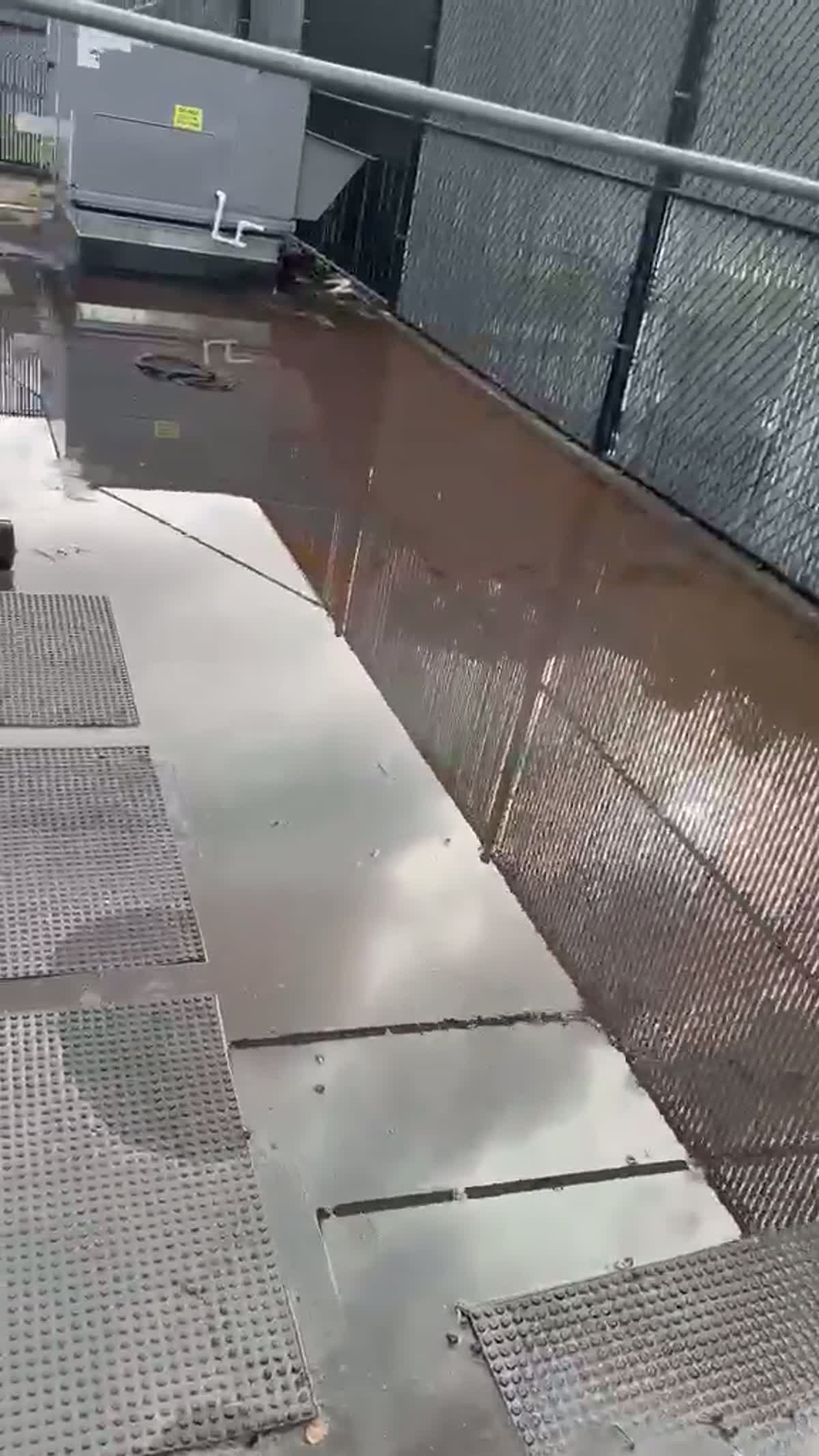
The facility manager reported water entry in two areas of the building. The field record begins on the roof, where standing water was visible beside the perimeter and around a roof-level drain detail. That is useful evidence, but it is not a final diagnosis on its own. Water can remain on a roof because of a drain restriction, a low area, an edge condition or a combination of those factors.
For a cinema, the priority is keeping public spaces and scheduled operations protected while the source is narrowed down. A practical investigation follows the water path across the roof, checks the drain and adjacent materials, and connects those observations to the reported interior locations before promising a specific repair outcome.
Drainage details deserve more than a quick visual check
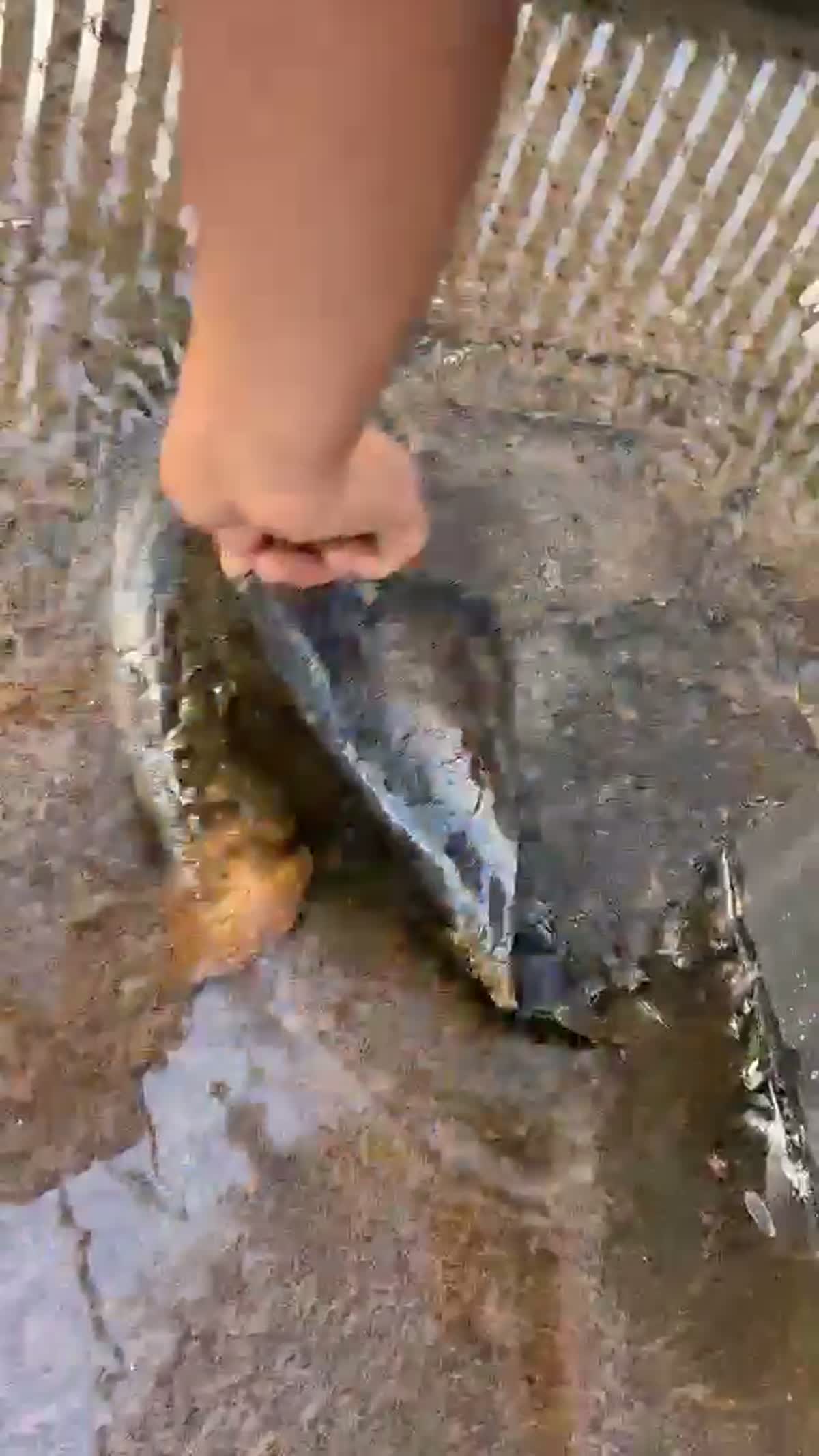
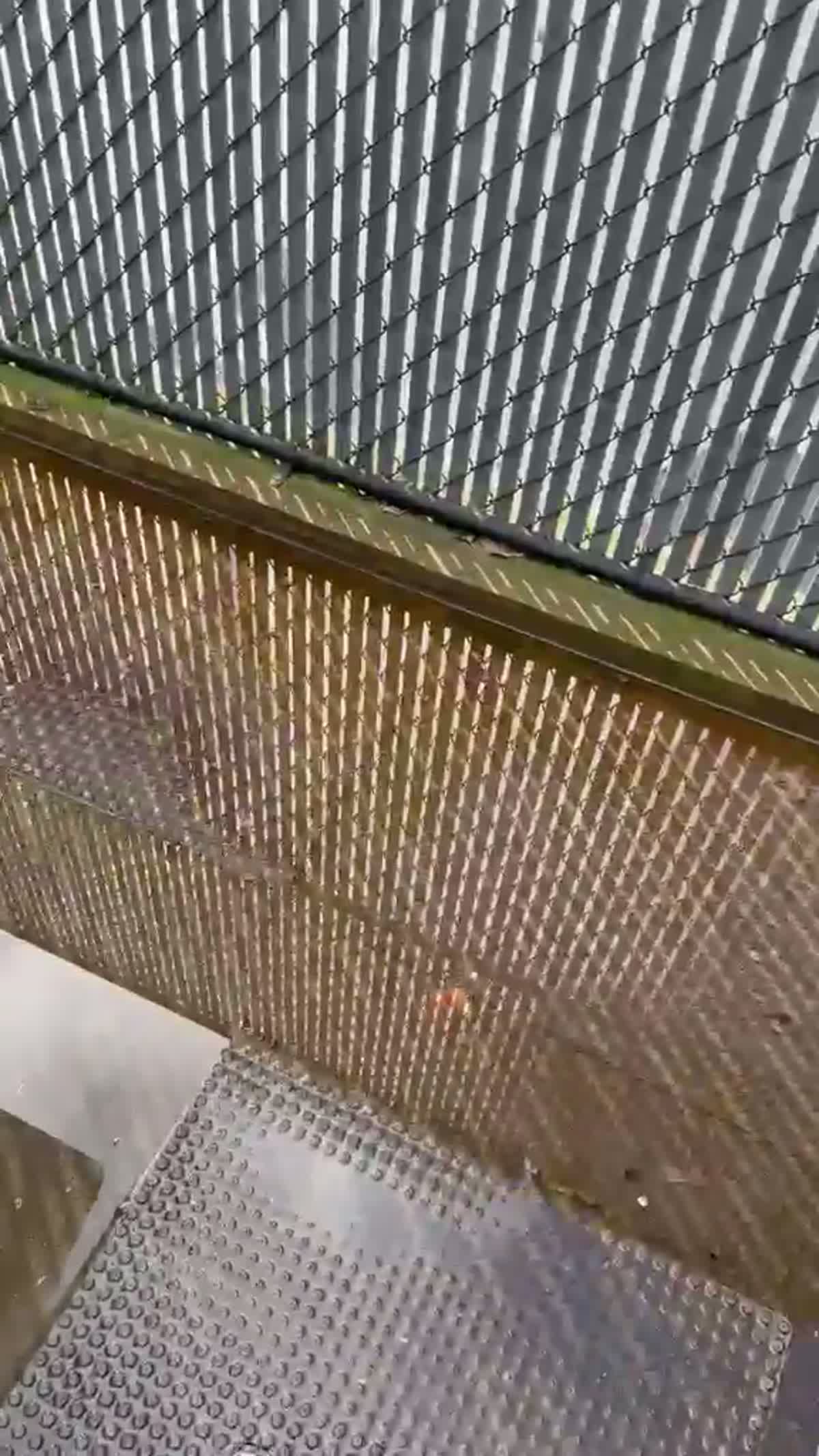
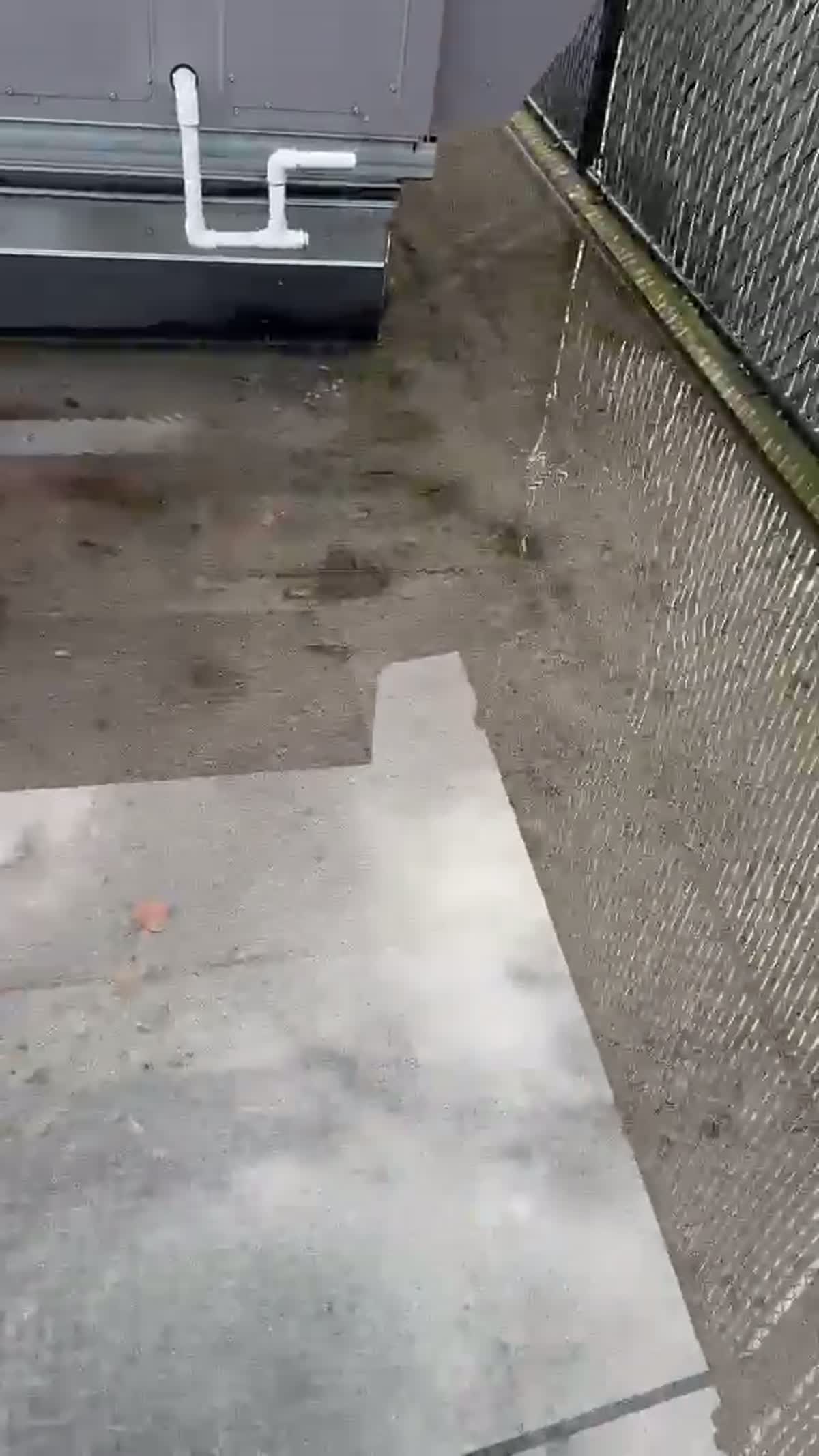
The video record shows a drain opening, localized debris and water holding at the surrounding roof surface. The field review also documented a perimeter channel, wall-side transition and equipment-adjacent roof area. Each condition affects how water reaches, bypasses or remains near the drain.
Clearing a visible obstruction may be appropriate when the drain itself is the immediate issue. If water continues to hold after the drain is open, the next scope should address the surrounding roof geometry and any seams, edges or transitions that stay exposed to prolonged moisture. Those are separate decisions, and the proposal should say which one it covers.
A repair scope should protect the building without overstating the result
This assessment did not establish that a full reroof was required, nor did it treat a single cleanup step as proof that every leak was resolved. The documented conditions support a targeted discussion: stabilize the active drainage area, inspect the related roof details and define the repair work with its limits in plain language.
Where the surrounding roof remains serviceable, a focused repair can be the most economical next step. If the drain, perimeter or adjacent roof areas reveal a wider pattern of deterioration, ownership can compare a phased corrective plan with a larger capital scope. The important point is that the choice is made with the operating needs of the cinema and the actual roof condition in view.
Clear options for building owners
CRA gives owners an understandable path forward instead of a vague recommendation. We explain the immediate condition, the work that can reasonably address it and the conditions that still need confirmation. That makes it easier to separate an urgent service response from longer-term roof planning.
For this Westchester County cinema, the photo record helps anchor that conversation in the rooftop details that were observed. Any repair or replacement scope should be finalized from the active roof conditions, access requirements and the building's operating schedule.