The roof needed a decision, not another isolated patch
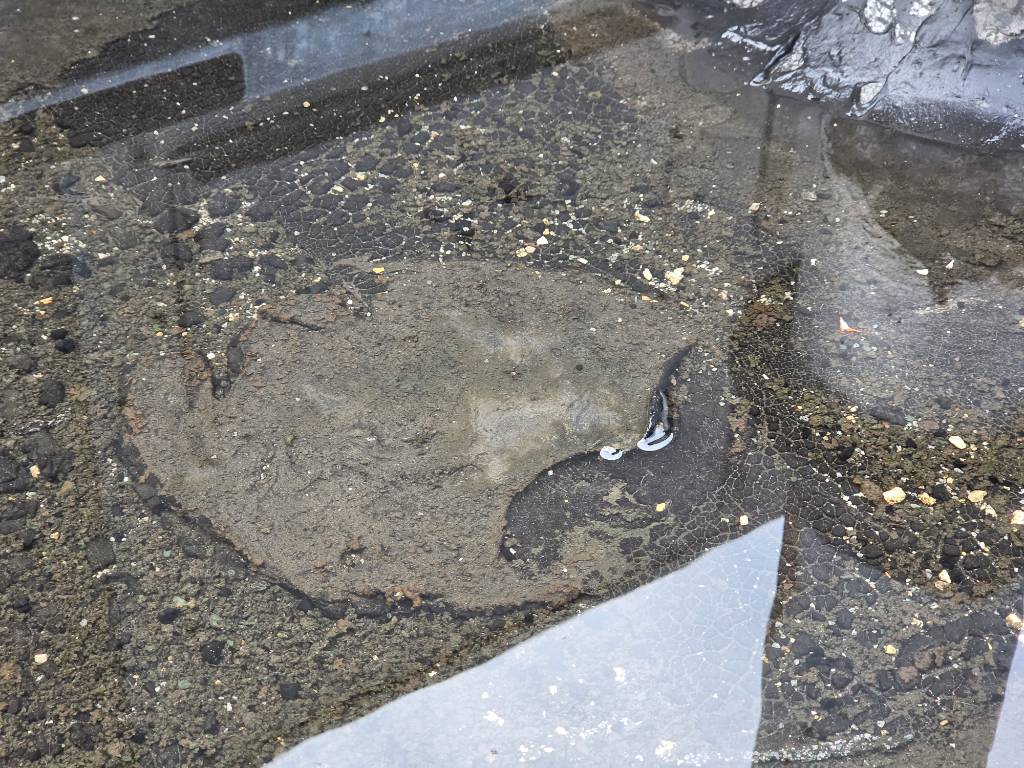
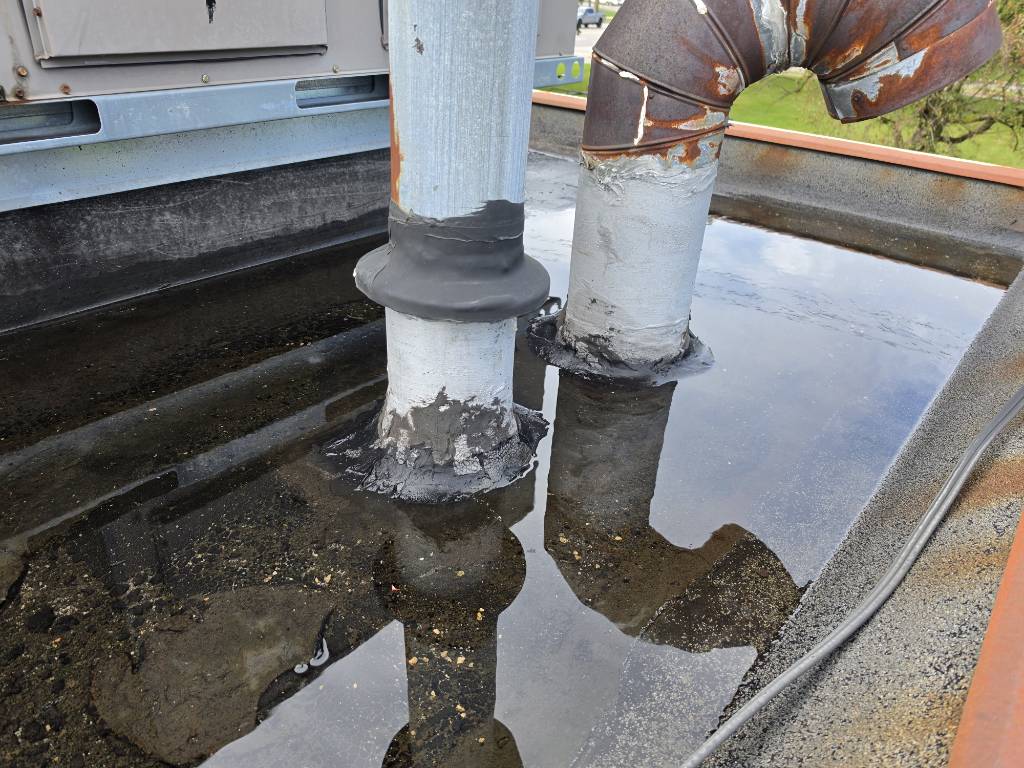
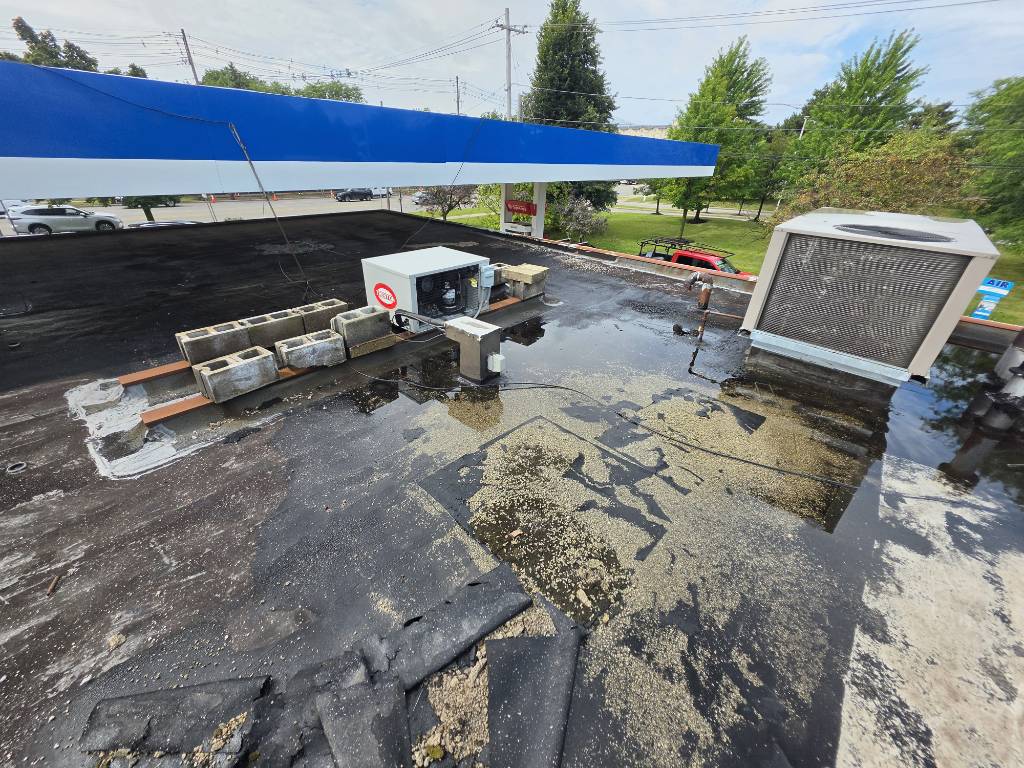
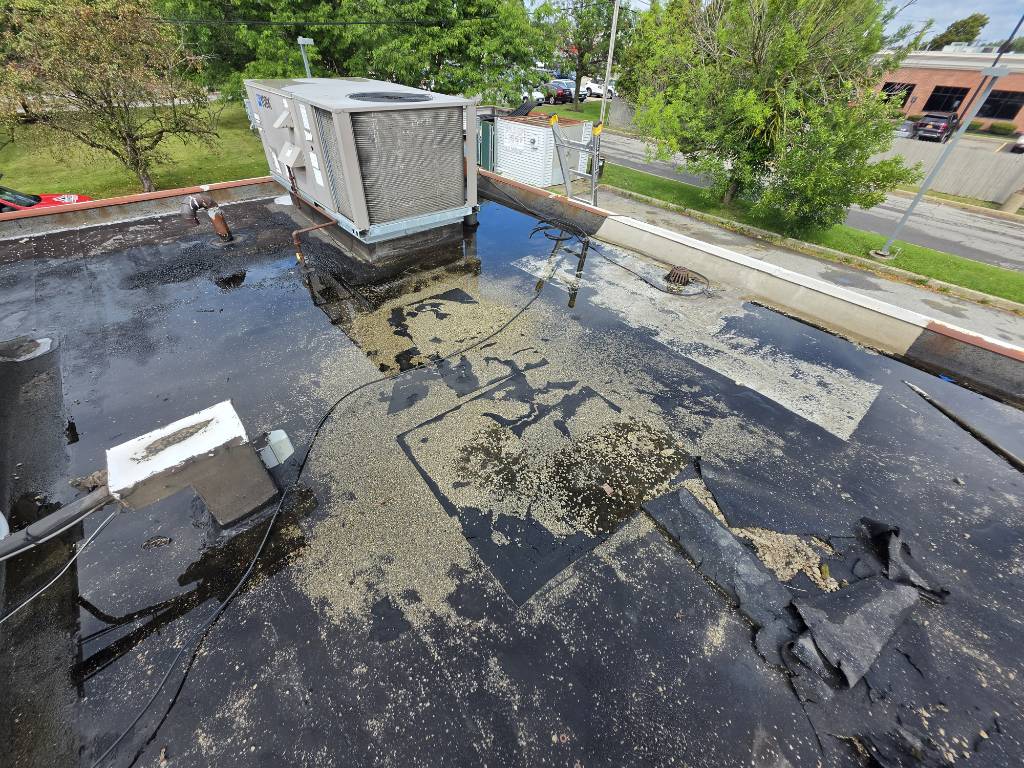
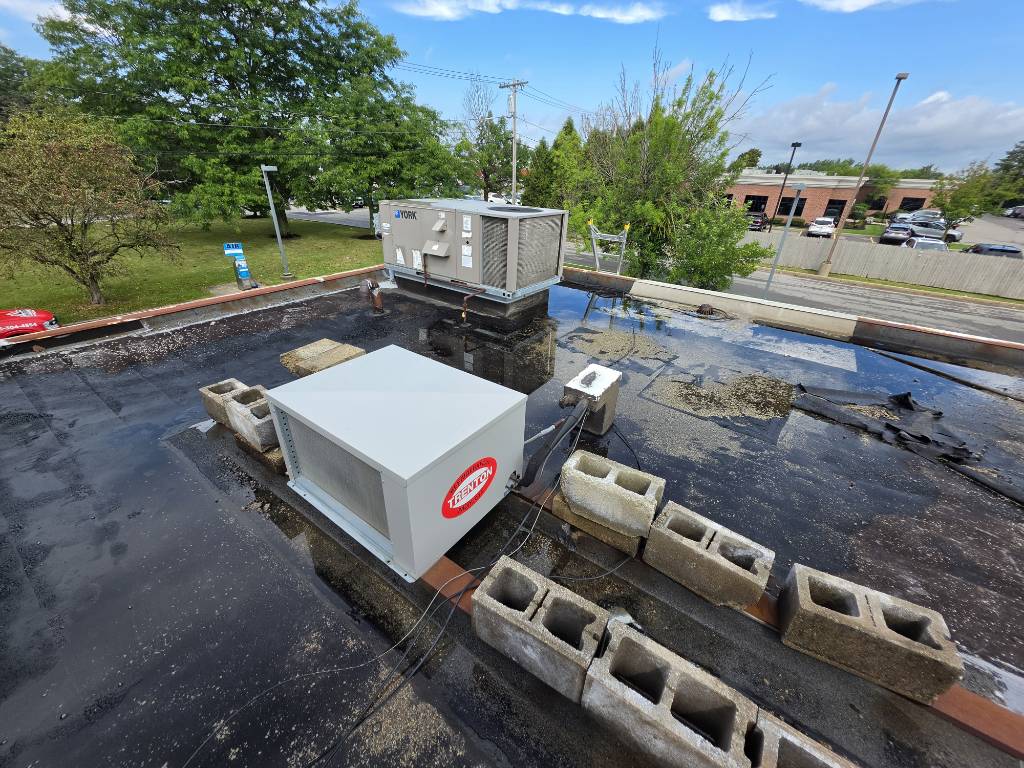
The roof record documented standing water, aged membrane areas, previous patching and equipment-related details. Together, those conditions point to a roof that should be evaluated at the system level. Adding one more patch can be appropriate for a defined temporary need, but it does not resolve the larger question of whether the assembly can continue to serve the building reliably.
The revised proposal was structured to make that decision visible. Instead of presenting a single assumed fix, it offered a replacement path and a restoration path so the owner could weigh scope, existing conditions and long-term intent before authorizing work.
Drainage and penetrations shape the right roof system
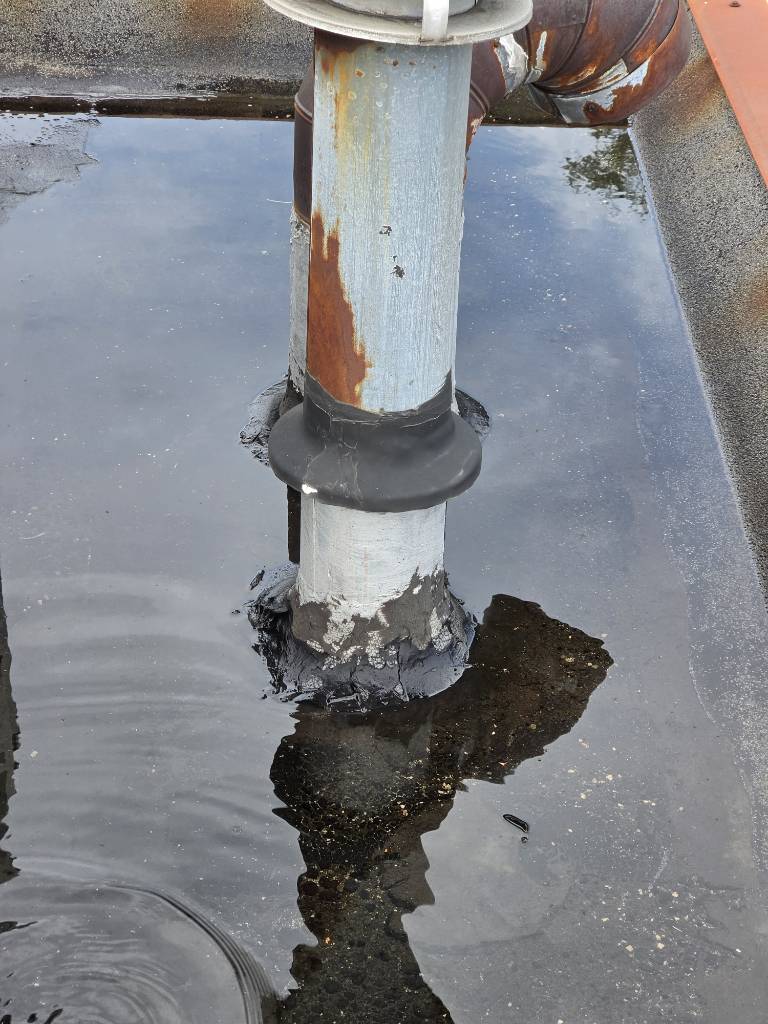
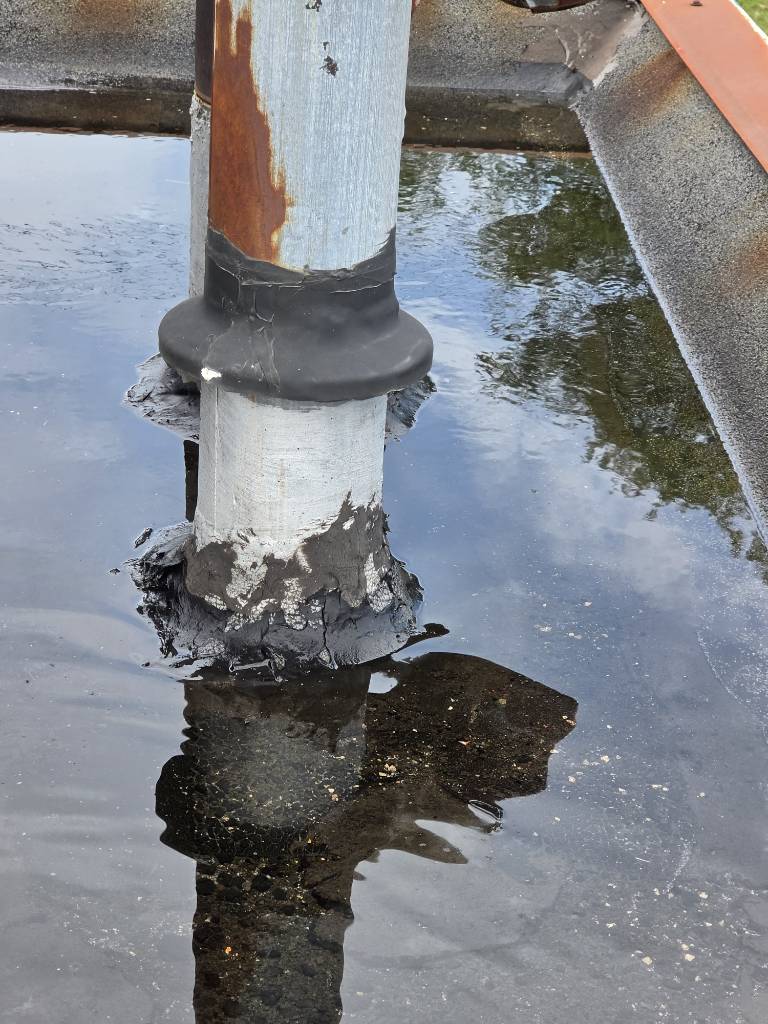
The field images show water held at the roof surface and around equipment-related details. Ponding can expose weaknesses in seams, patches and penetration flashings. It can also make an otherwise reasonable restoration plan less suitable if drainage cannot be improved and the existing roof cannot provide a stable base for the new system.
The replacement option addresses that concern with a new single-ply assembly, insulation, perimeter work and retrofit drainage connections tied into the existing plumbing where final verification supports it. The restoration option focuses on cleaning, priming and reinforcing the existing roof before a silicone system is applied. Both choices depend on the details being addressed deliberately.
Replacement and restoration are different capital decisions
A full membrane replacement is intended for an owner who needs a new roof assembly, upgraded perimeter and drainage work, and a more comprehensive reset of the flat-roof surface. A silicone restoration is intended for an existing roof that can be prepared, repaired and coated in a way that meets the selected system's requirements.
Neither option should be selected from a photograph alone. Final measurements, roof and deck condition, drainage connections, staging, access and weather all need confirmation before materials are ordered. The purpose of the proposal is to explain the practical tradeoff before that final coordination takes place.
The work was proposed, not represented as complete
This page documents the observed roof conditions and the two options presented to the owner. It does not state that a roof system was installed, that either option was selected, that drainage work was completed or that a warranty was issued. Those outcomes require written authorization and final field confirmation.
CRA gives commercial owners options because the best plan can be different for every building. For this fuel site, the owner can compare a more complete roof-system reset against a restoration path while seeing the conditions and coordination items that determine whether either approach is appropriate.