On many commercial buildings the main roof and the loading canopy function as one drainage problem. Commercial Roofing Advisors evaluates Carrollton flat roofs by tracing the surface water, checking the layers, and marking where each proposed scope can join the roof that will remain.
Draw the loading canopy and main roof on the same plan
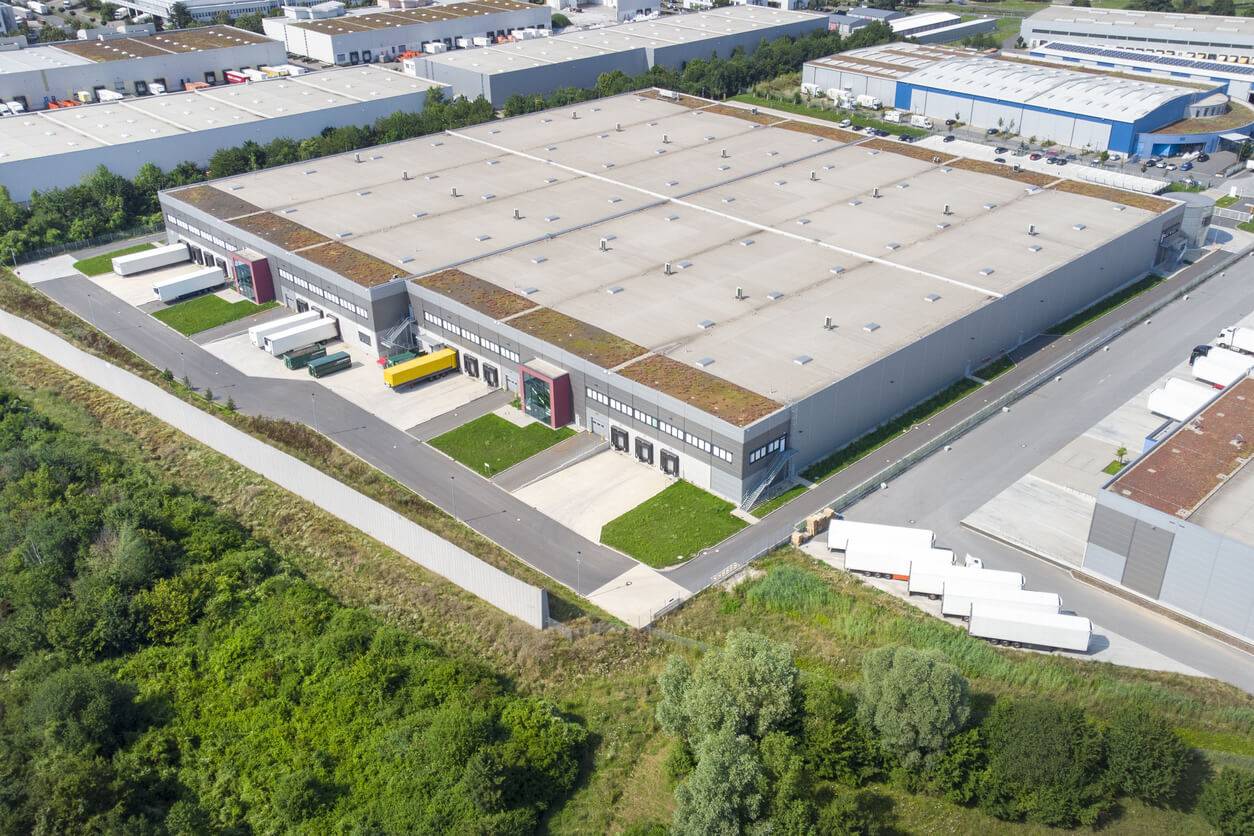
Carrollton's Comprehensive Plan identifies Valwood Industrial Park as a regional distribution center. At a dock property there, identify whether a parapet scupper leads to a leader or feeds a lower roof. A new membrane can look level in plan while a changed outlet height shifts runoff toward dock seals or pedestrian routes.
City of Carrollton Comprehensive Plan, industrial areas
Decide what causes water to collect at the joint
Check outlet clearance and compare roof elevations on both sides of the tie-in. Note whether water remains after the outlets clear. If an expansion joint interrupts the drainage path, have the project team determine whether slope correction, a separate outlet or a revised detail is needed.
Give bidders the same removal boundaries
Document the roof layers at the canopy, main deck and any addition. Set a measurement and approval process for damp insulation or deck damage discovered after opening. Identify which docks can operate beneath each phase and who controls the ground area when materials move.
Carrollton commercial roof drain cleaning and repair
Questions from Carrollton building owners
Can a loading canopy be renewed while keeping the warehouse roof?
It may be possible if the two roof areas can meet at a workable tie-in. Check outlet heights, runoff from the upper roof and movement at the transition before deciding.
What photos help evaluate recurring water at a dock roof?
Take them from safe locations. Record the outlet or downspout, when the rain ended, and whether water collected on the canopy or spilled at ground level.