Cheyenne commercial roofing
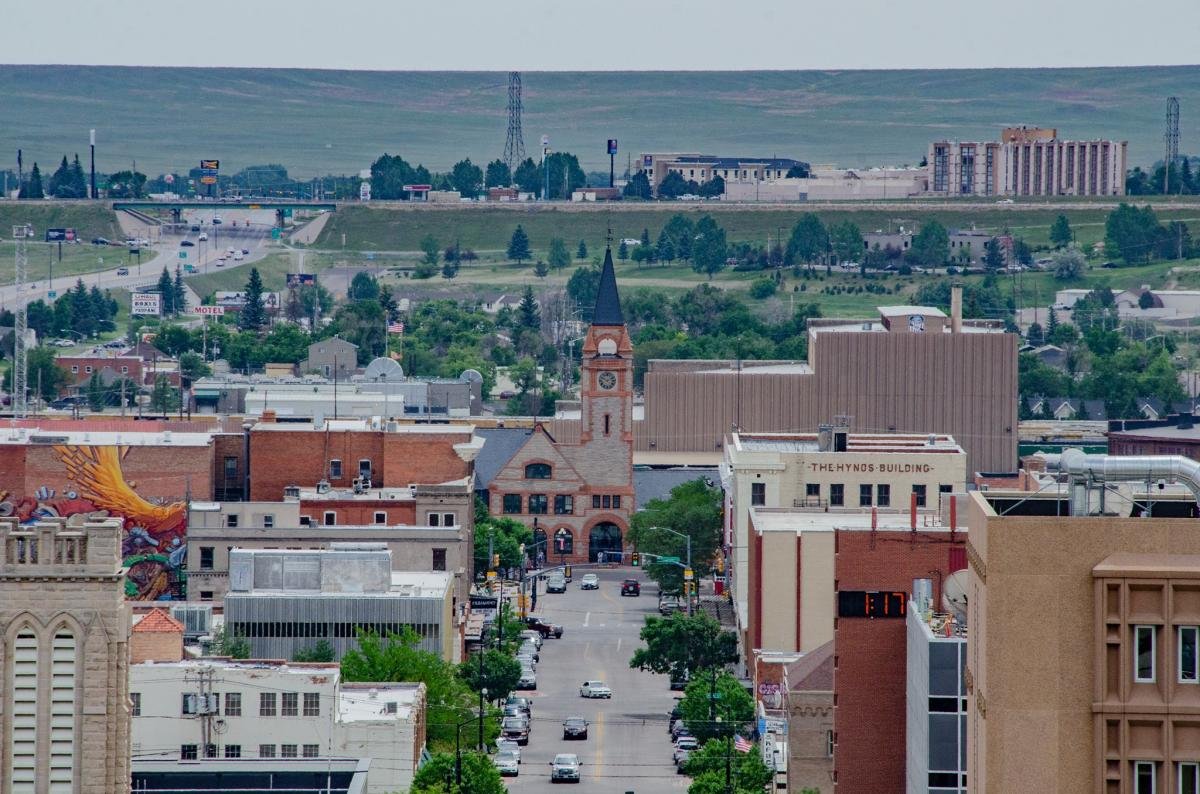
Cheyenne sits at over 6,000 feet on the high plains where the Rockies meet the prairie, and its commercial roofs take a beating that softer climates never see. Chinook winds and open-country gusts routinely clear highway-closure thresholds, driving relentless uplift on parapets and edge metal; the region's hailstorms are among the most frequent in the country; and the high-desert temperature swing can move fifty degrees in a day, working seams and fasteners loose through constant expansion and contraction. The building stock that carries all this runs from the warehouse and distribution product along the Interstate 25 and Interstate 80 crossroads and the Swan Ranch and Bison logistics parks, to state and federal facilities downtown, to the industrial and support buildings tied to F.E. Warren Air Force Base and the BNSF rail yards. For owners holding low-slope membrane on those footprints, we provide documented condition, capital planning, and contractor oversight built for this specific punishment.
What the high-plains climate does to a roof here
Wind is the defining hazard in Cheyenne, and it is not an occasional event. Sustained high winds and gusts test perimeter attachment on a schedule most roofs elsewhere never face, and any membrane whose edge fastening, termination bar, or coping was under-detailed will start to lift, flutter, and peel long before the field of the roof gives out. Layer in a hail season that arrives with the summer thunderstorms and the bruising, splitting, and coating fracture compound fast.
The cold side of the calendar adds its own load. Freeze-thaw cycling opens the seams that summer heat and wind already stressed, snow and ice sit on low-slope roofs and drive meltwater under flashings, and the enormous daily temperature range keeps the whole assembly in constant thermal motion. On a large distribution roof, none of this is visible from the ground until interior damage or a torn membrane forces the issue.
Owner-side condition reporting for Cheyenne assets
Our foundational deliverable for a Cheyenne owner is a standardized condition report on every roof in the holding: membrane type and age, the state of edge and perimeter attachment given the wind exposure, seam and flashing integrity, drainage and ponding behavior, insulation moisture where investigation is warranted, and a realistic remaining service life for each system. We photograph and locate every defect so this year's report is directly comparable to next year's, which is what turns a roof from a surprise into a tracked, budgeted asset.
Commercial Roofing Advisors installs, repairs, restores, and replaces commercial roofs. We base recommendations on documented roof conditions, building operations, and the owner's budget. From assessment and scope development through roofing work and closeout, our team helps owners protect the property and plan the next stage of its roof's service life.
Capital planning and warranty exposure on the high plains
Warranty conditions are where Cheyenne owners quietly lose money, because the local climate stresses exactly the terms manufacturers care about. Wind-uplift limits, ponding restrictions, and the requirement to document and file hail damage within a fixed window after a storm all collide with high-plains reality, and coverage on a six- or seven-figure roof can lapse without anyone realizing it. We track warranty terms, expiration dates, and compliance obligations across the portfolio and flag the routine actions that keep coverage intact. This work is part of our broader Wyoming commercial roofing services coverage, and it feeds directly into multi-year capital forecasts that put every roof on a funded timeline instead of leaving replacements to land as emergencies after the next windstorm.
Cheyenne market coverage
We provide commercial roofing installation, repair, and replacement across Cheyenne, Wyoming and the surrounding metro.