
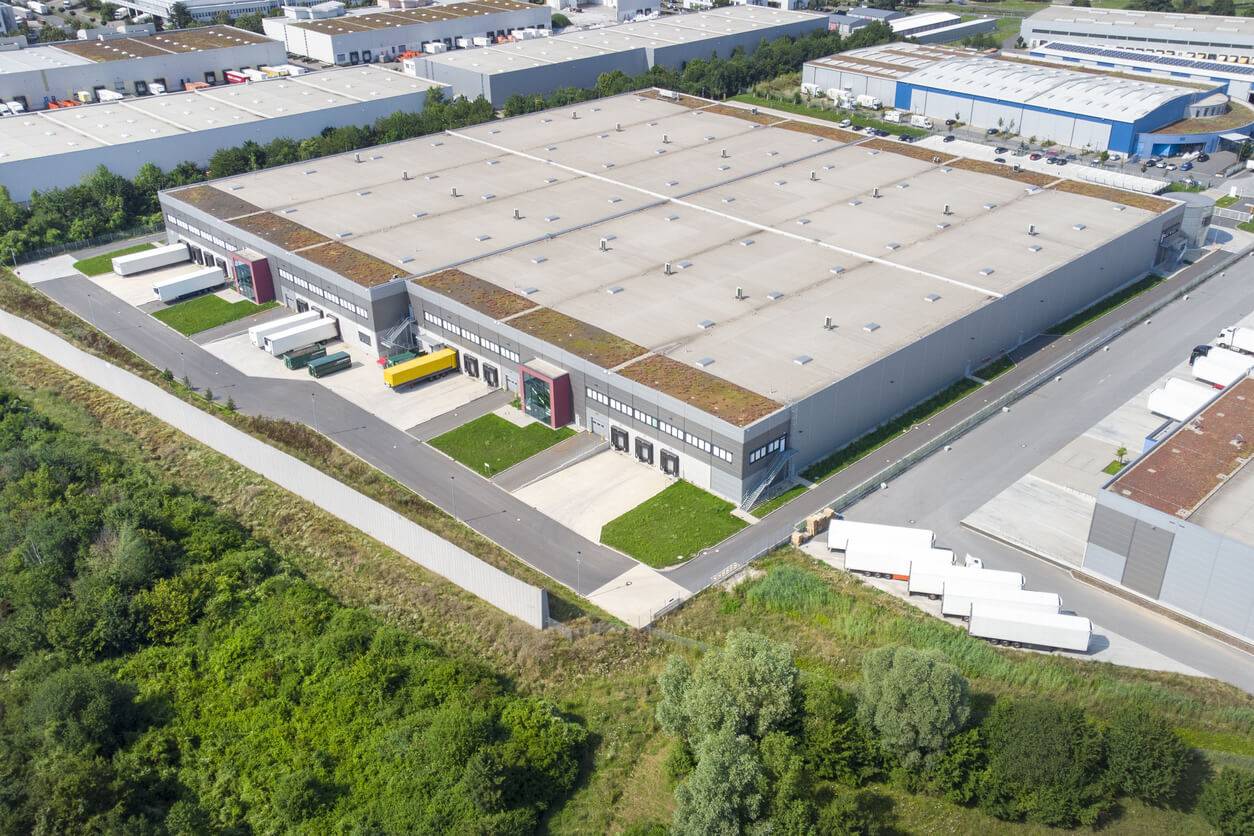
A North Richland Hills commercial building can contain several low-slope roof areas above different businesses. CRA helps owners connect roof geometry and construction boundaries before comparing repair or renewal options.
Map the assembly and outlets
Locate accessible drains, scuppers, transitions and additions. Explain where an interior lease division differs from a drainage boundary. A roof described as flat still depends on its actual slopes and discharge arrangement; a surface material choice alone does not resolve trapped water.
Define the project question
Separate observed covering defects from concerns about slope, drainage capacity or supporting construction. Identify the appropriate design input for proposed alterations. Keep the investigated roof areas and unresolved geometry with the proposal so bidders do not price different assumptions about how the completed roof will manage rainfall.
Related roof repairs decisions
When a low-slope leak requires correction, carry the identified drainage basin into the repair discussion. Locate the suspected entry detail within that basin and explain whether investigation found a covering defect, an outlet concern or an unresolved connection. Those distinctions help the owner commission the right next examination.