Commercial Roof Risk Management
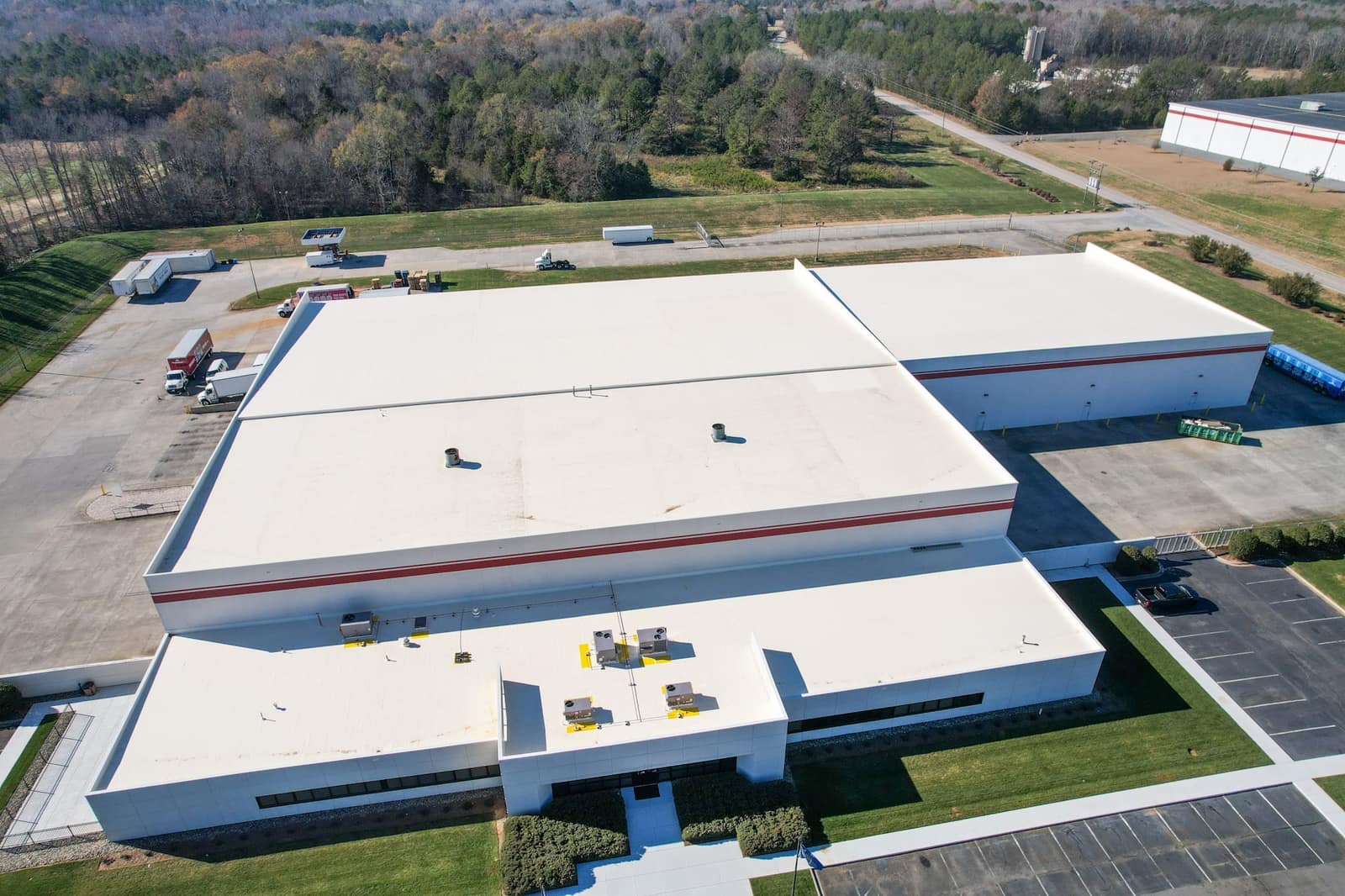
Commercial roof risk management connects a roof finding with the rooms, people, and work it could affect. Commercial Roofing Advisors helps Frisco owners set priorities for the highest-consequence roof areas. The same defect can warrant a different response above a closed office suite and above a venue with a booked audience.
Rank exposure by activity in the space below
Start with areas over guest corridors, event control rooms, tenant equipment, and public entrances. Document the consequences of water entry, including who would close an area, whether it has a substitute, and how much preparation is needed. At venues like those listed in Visit Frisco's meeting directory, bookings can change how much time the facility has to respond.
Use recent roof findings and prior service events to assess how likely a problem is. Keep the evidence and the site impact separate.
Visit Frisco meeting and event venues
Give the property team a weather response plan
Identify who checks interior areas, who can restrict access, and how to request professional roof help after conditions are safe. Frisco has documented hail, which makes recent photographs and condition notes useful for comparison after an event. Save the report time and the rooms affected so the team can establish what happened.
Decide which steps are possible outside business hours. A night's delay can matter more when an event space is about to reopen.
Review the decisions built into the risk list
Assign a date and a trigger to each risk, such as another leak over a critical room or a field review that confirms repeated deterioration. A roof drainage issue may require action before other roof work if an entrance must stay open. Update the risk list after repairs, tenant changes, and work that alters how the roof drains.
Track whether work addressed the reported risk or whether the owner needs another decision.
Commercial roof risk management services
Frisco market coverage
Risk reviews support Frisco commercial portfolios and individual offices, event venues, and hotels where leaks can disrupt time-sensitive operations.