Commercial Roof Restoration
Grand Prairie commercial roof restoration makes sense when inspection shows enough of the existing roof can perform after targeted work. Commercial Roofing Advisors helps define what stays, what needs removal, and what condition should trigger a comparison with replacement.
Look for patterns that explain selective damage
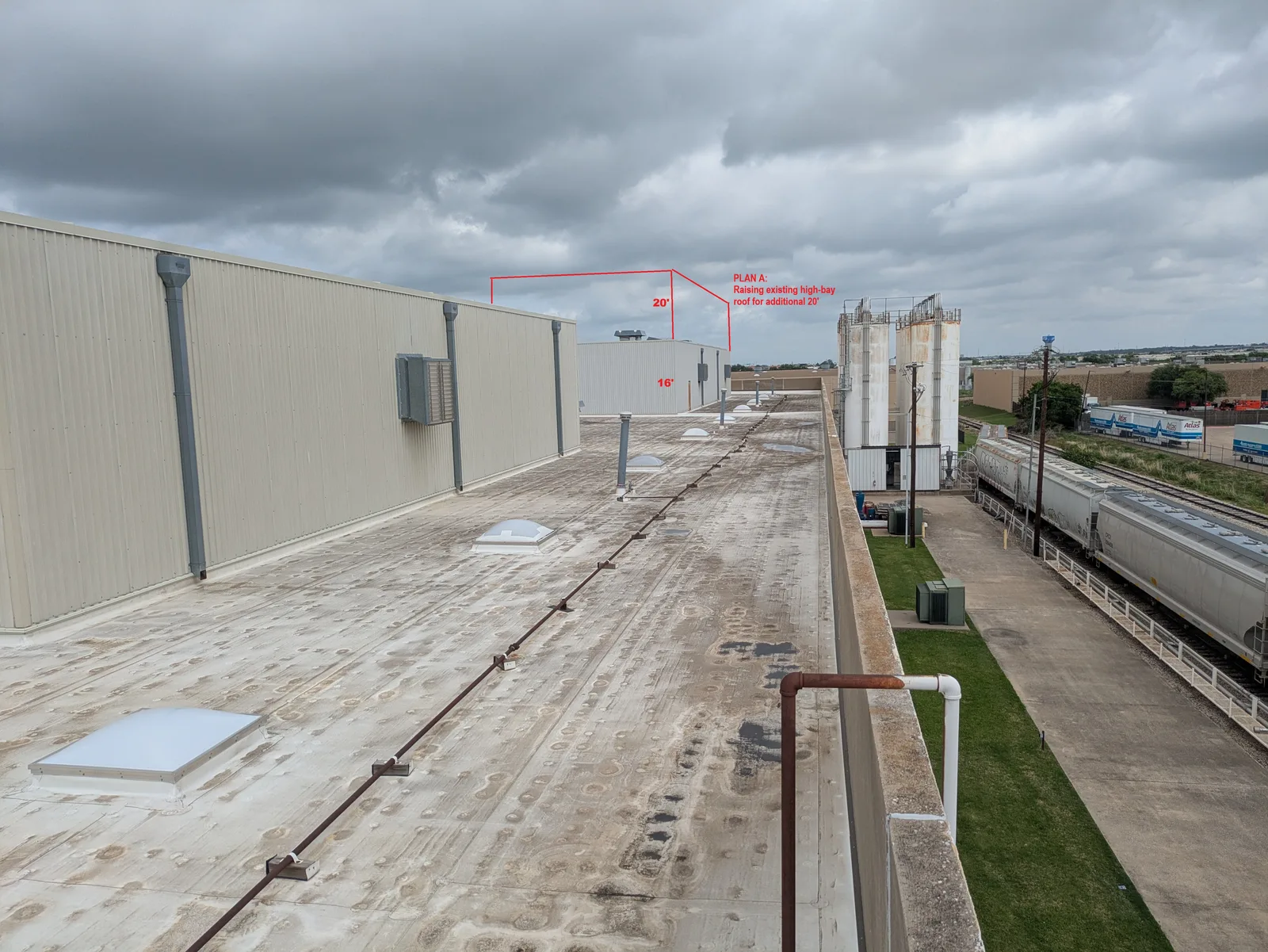
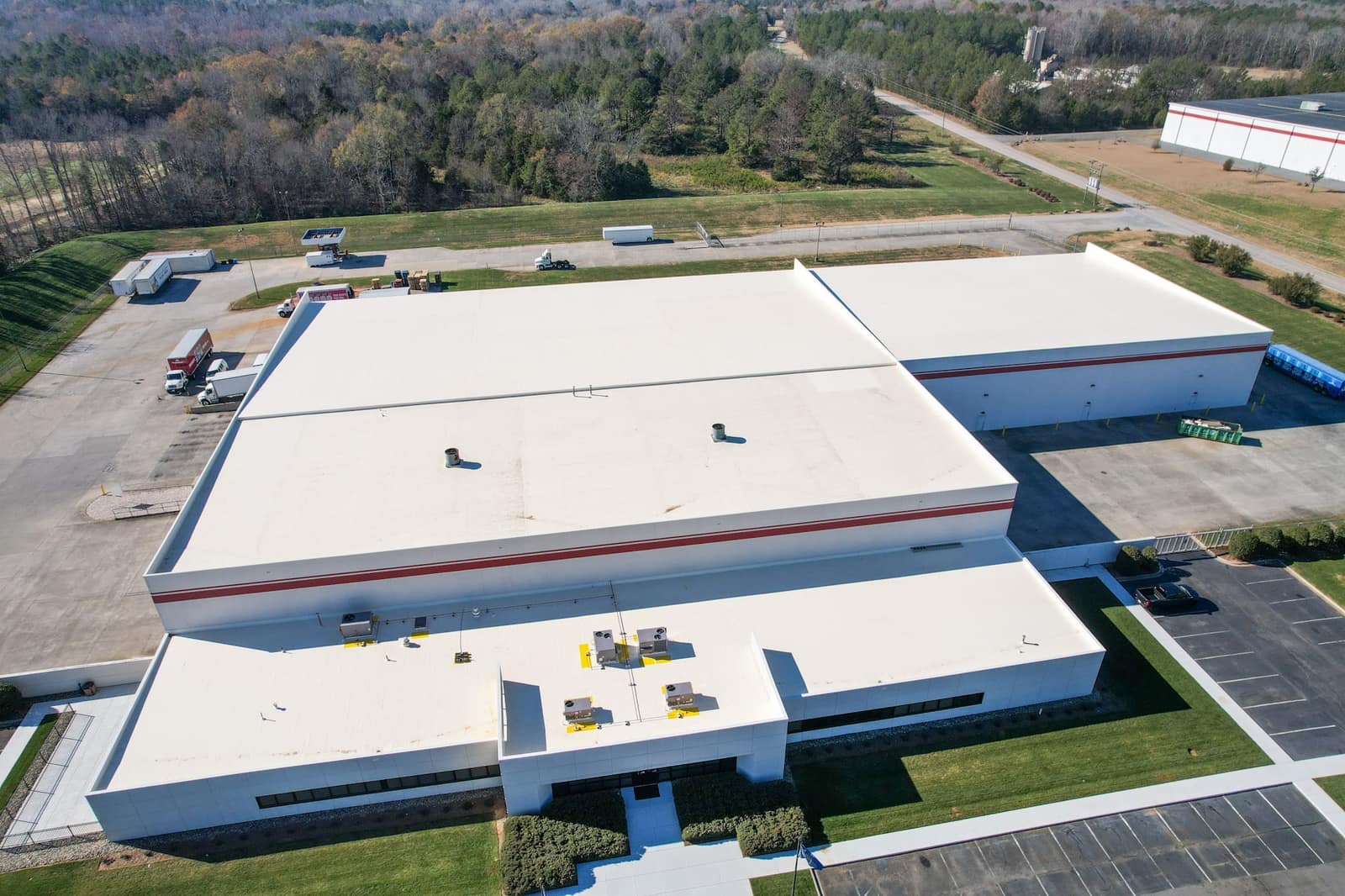
At a Grand Prairie warehouse, traffic between the hatch and mechanical equipment can damage a narrow area while broader roof sections remain serviceable. In another building, water from poor drainage can spread farther through materials than the surface suggests. Verify suspected moisture or attachment concerns where they change the proposed retention boundary.
Plan removal and daily protection around the facility
Map where work approaches busy packing or storage areas. Specify how a temporary opening is closed and how the repaired area will tie into sound material, flashings, and drains. Define who documents additional damaged material and how it will be measured. If large areas or deck conditions change the project, review the replacement option.
Commercial roof replacement in Grand Prairie
Choose a compatible finish after the roof work is defined
Confirm how the restored surface will perform and whether a protective finish serves the proposed scope. Consider commercial roof coatings where the retained and rebuilt materials provide a compatible, prepared surface. Set the finished drainage and flashing checks before crews move through production work.
Give facilities a map it can use on later visits
Document removed material, remaining assemblies, new details, and the photograph locations in the project record. Clearly identify the limits between restored and untreated areas. Tell site staff when to review those details after equipment changes, a storm, or another leak.
Commercial roof restoration and coating services
Questions from Grand Prairie building owners
Can a Grand Prairie warehouse restore only a damaged bay?
That can be considered when its extent is verified, adjoining roofing can be retained, and the tie-ins and work sequence are practical.
When does selective removal become too extensive for restoration?
Review replacement when wet materials or attachment failures keep extending beyond the initial limits, or when the proposed repairs cannot connect reliably to the roof that remains.
Why should the finished restoration map include untreated roof areas?
A clear boundary helps the building team distinguish future problems in old material from problems at new work or its transitions.
Grand Prairie market coverage
Roof restoration can be assessed for Grand Prairie warehouses, manufacturing plants and other commercial properties with existing areas that can reasonably be retained.