Commercial Roof Restoration
Commercial Roofing Advisors helps Houston building owners restore commercial roofs with usable life left in them. We check the roof by section to determine which areas can stay, where wet or failed material needs removal, and which details need to be rebuilt. The result is a scope that owners can compare with targeted repairs or a reroof.
Can my commercial roof be restored?
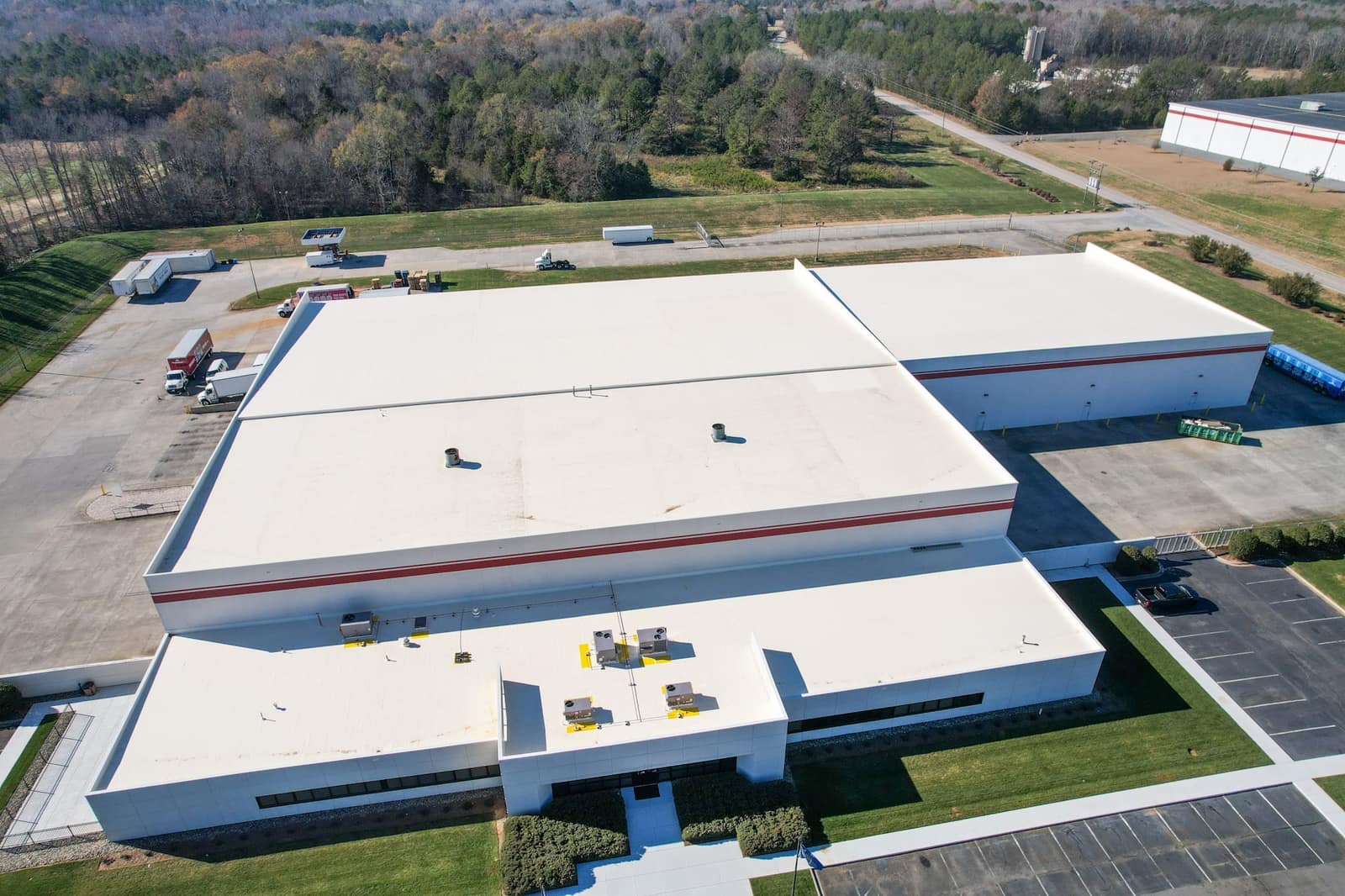
A single active leak may call for a localized repair. Restoration is worth evaluating when several areas need work and most of the roof field and deck can still serve the building. On a Houston distribution property with several additions, each roof section may have a different membrane, drain layout and repair history. An owner can often make a different decision for each section.
Start with leak logs, a roof plan and a field inspection. An infrared survey can help locate areas that warrant a closer look when conditions suit the survey. Confirm suspected moisture at representative points before using it to draw removal limits. Widespread wet insulation or a deteriorated deck can make replacement the practical choice.
Houston infrared roof inspections and moisture surveys
What gets removed, and what stays?
Mark dry, attached roof areas to retain and list each location with wet insulation, failed flashing or a damaged substrate. Define how far the crew will open each area, how repairs will tie into the material that stays, and who will approve additional work if the damage reaches beyond the marked limits.
If a new roof covering over the existing roof is one of the alternatives, evaluate it as a recover. For projects subject to City of Houston permitting, the commercial overlay worksheet checks deck condition, added load, drainage, attachment and saturated insulation. Ask the design team to identify those conditions before pricing a recover.
Houston Permitting Center commercial roof overlay worksheet
Which details should be repaired before the roof is refinished?
Use the property’s observations after heavy rain to locate areas where water repeatedly collects. At an occupied warehouse, a low spot beside a loading area or an interior drain can affect more than one tenant. Set the scope for drains, scuppers, seams, curbs and wall transitions before selecting a finish.
When a fluid-applied coating fits the retained surface, specify it after the underlying repairs and drainage work. A coating scope should identify how the surface will be prepared, how adhesion will be checked and how transitions will be reinforced.
Commercial roof coating and recoating in Houston
How do I compare a restoration bid with a reroof?
Ask each bidder for a roof drawing, separate quantities for the areas repaired and retained, and unit prices for extra wet insulation or deck work. Compare the remaining service life and warranty terms for each proposal, including which conditions or existing components the warranty excludes.
For a building that stays open, put loading access, tenant notices and the daily limit on open roof area in the scope. Agree on the point at which newly discovered damage would trigger a change from selective work to replacement of an entire section.
Compare commercial roof replacement and installation in Houston
What does a selective restoration plan look like?
For an industrial property in Warrensville Heights, Ohio, CRA reviewed 11,640 square feet and documented a proposed 2,910-square-foot repair and replacement area. The proposal separated the deck allowance from preparation and coating. An owner reviewing a Houston proposal can ask for the same distinction between work priced at known locations and work that depends on what the crew finds.
See CRA’s industrial restoration planning example in Ohio
Houston market coverage
CRA helps Houston warehouse, office, industrial and multi-tenant property teams assess whether a commercial roof can stay in service and define work by roof area.