South Carolina statewide
Commercial Roofing Advisors installs, repairs, restores, and replaces commercial roofs. We base recommendations on documented roof conditions, building operations, and the owner's budget. From assessment and scope development through roofing work and closeout, our team helps owners protect the property and plan the next stage of its roof's service life.
Market coverage
Commercial roofing markets we serve in South Carolina
Explore commercial roof installation, repair, and replacement in these South Carolina cities:


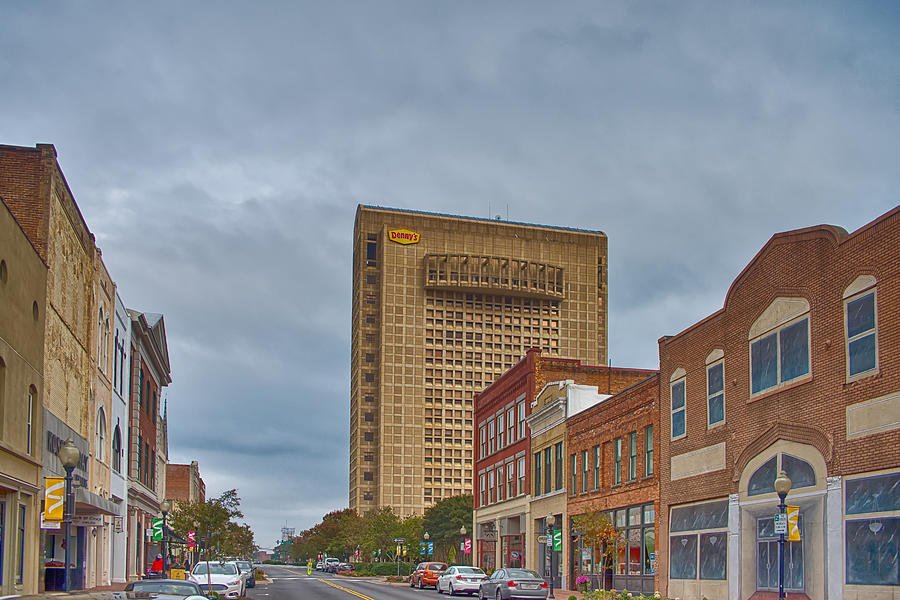
The markets we cover across South Carolina
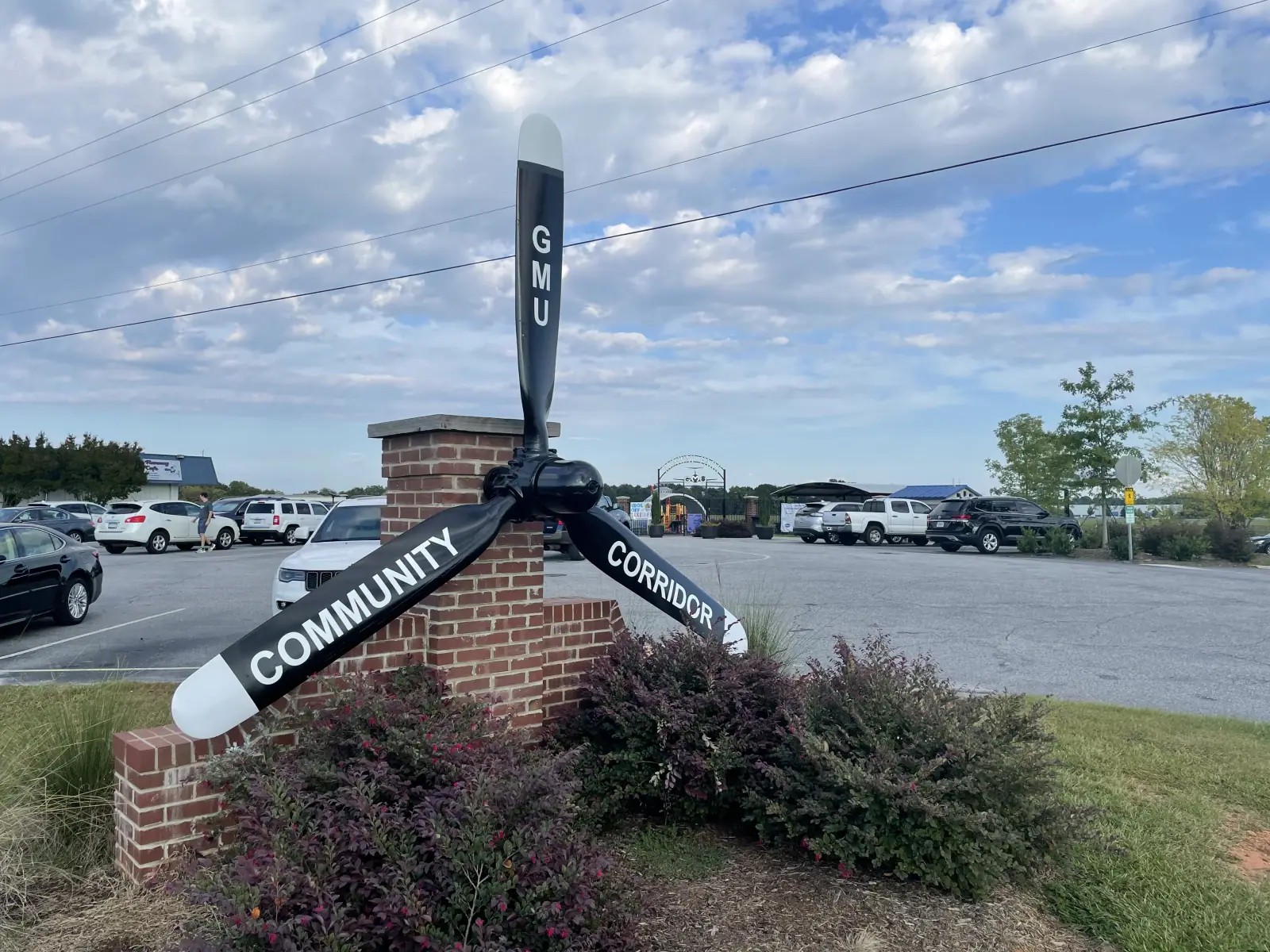
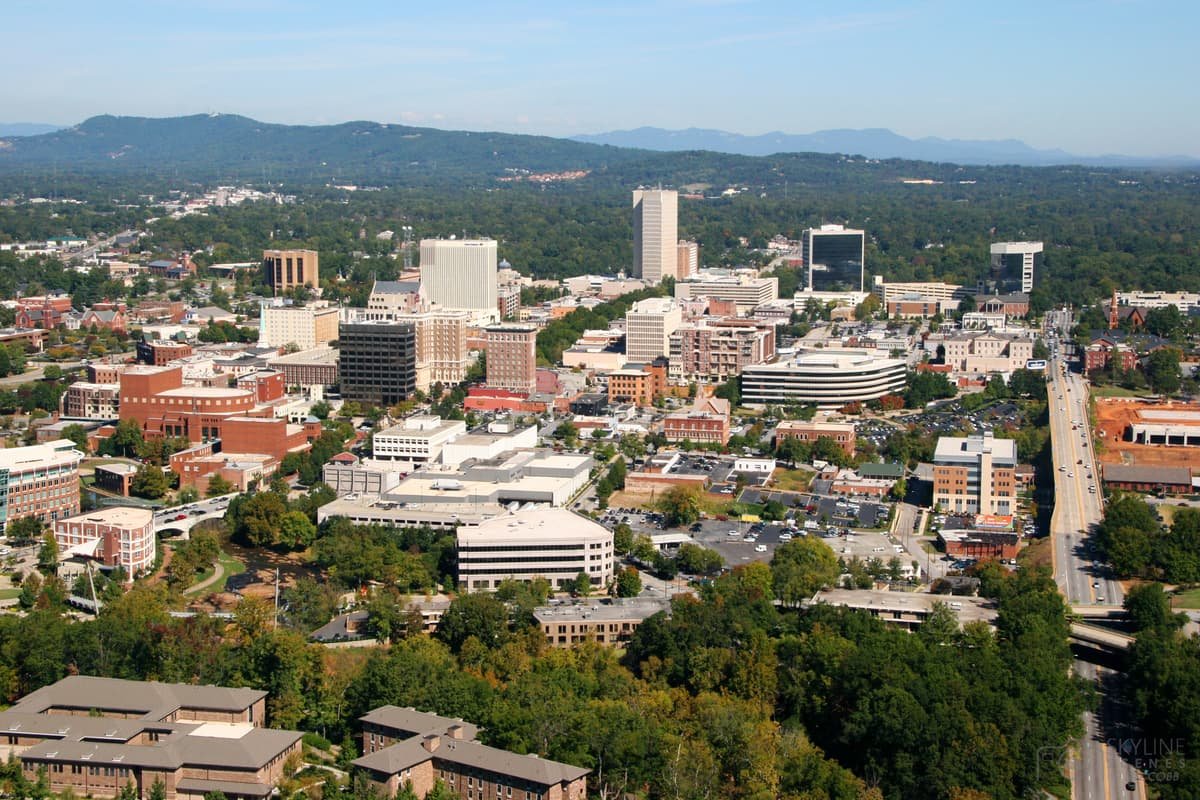
South Carolina's commercial roof stock concentrates in three distinct regions, each with its own building types and its own failure patterns. The Upstate, defined by Greenville and Spartanburg, is the state's manufacturing and logistics engine. The corridor where I-85 meets I-26 and I-385 has drawn BMW's Greer assembly plant, its dense supplier network, and a wave of large speculative distribution and warehouse construction across Greenville, Spartanburg, and Anderson counties. These are vast low-slope roofs where a single membrane decision carries seven figures of exposure.
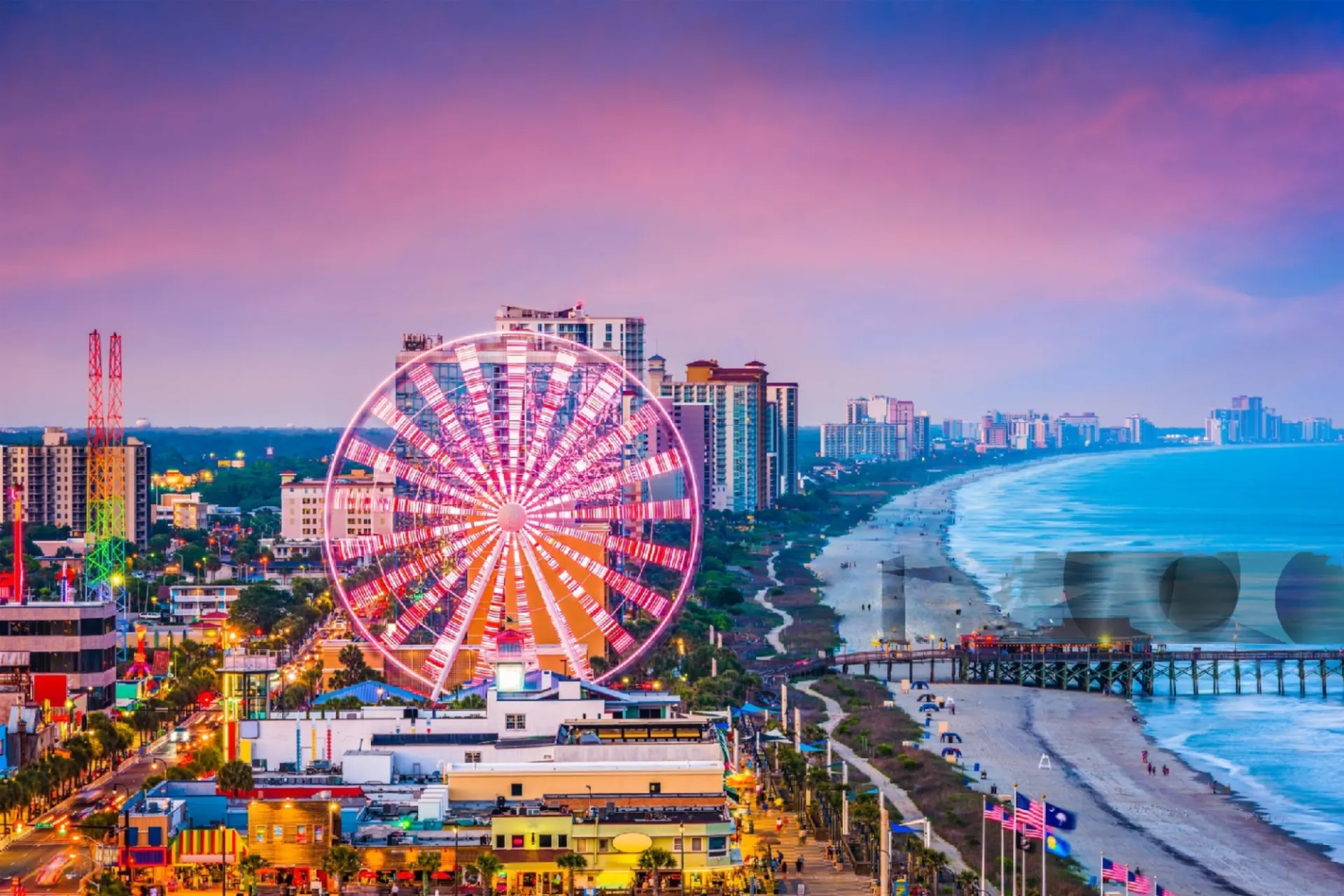
The Lowcountry around Charleston and North Charleston pairs the deepest container port on the South Atlantic with Boeing's North Charleston aerospace campus, distribution facilities, hospitality property, and a deep medical and office base. The Charleston region's growth has been driven by the port, advanced manufacturing, and tourism, and that mix puts everything from refrigerated logistics buildings to historic hotel stock under our review. The Midlands, centered on Columbia and its roughly fifty-billion-dollar metro economy, combine state government, the University of South Carolina, military installations at Fort Jackson, healthcare, insurance, and the warehousing that serves the I-20 and I-77 crossroads. We also track the Pee Dee around Florence, the coastal hospitality stock along Myrtle Beach and Hilton Head, and the inland manufacturing in Rock Hill and Aiken. Each sits in a different exposure band, and we plan for each on its own terms.
What actually drives roof failure here
South Carolina's humid subtropical climate is the backdrop, but the damage comes from a handful of specific forces. The state has one of the most exposed coastlines in the nation, and every county can feel a tropical system. Late summer and early fall bring the peak hurricane threat, when storm surge, wind uplift, and wind-driven rain test perimeter flashing, fastening patterns, and edge metal far harder than a routine rain event ever will. The state has absorbed dozens of severe-storm and tropical-cyclone disasters in recent decades, and roofs are where much of that loss lands first.
Away from the coast, the Upstate and Midlands sit in an active corridor for spring and summer convective storms that deliver hail and straight-line wind. The state's geography compounds the problem: a single ownership group may hold a coastal asset facing surge and a corrosive marine environment while its inland buildings face hail and thermal stress, so a one-size assessment misses the real risk on both ends. The forces we plan against across South Carolina include:
- Hurricane and tropical-storm wind uplift, surge, and wind-driven rain on coastal and near-coastal buildings, with peak risk in the late-summer and early-fall season.
- Hail and damaging straight-line wind from severe thunderstorms, most frequent inland across the Upstate and Midlands.
- Salt air and prolonged humidity near the coast, which corrode fasteners, edge metal, and rooftop equipment and accelerate aging on exposed components.
- Intense summer heat and UV that bake membranes, dry out sealants, and shorten the service life of single-ply systems on large low-slope roofs.
- Heavy convective rainfall that overwhelms drains and scuppers, where ponding and clogged drainage do quiet, cumulative damage.
The commercial roofing services difference
Before work begins, we confirm roof-area boundaries, access, occupant constraints, material requirements, and the repair or replacement scope. The project plan sets out the work, pricing, schedule, and documentation so the property team knows what to expect.
For South Carolina owners and asset managers, that advisory posture shows up in a few concrete deliverables. We build condition reports an asset manager can underwrite against. We produce multi-year capital plans that sequence repair, restoration, and replacement across a portfolio so that spending lands where exposure is highest. And we read the actual building stock an owner holds, whether that is a coastal hospitality property, a Midlands office, or an Upstate distribution facility, rather than treating every roof as the same problem.
Warranty exposure and capital planning
Manufacturer warranties on commercial membranes are narrower than most owners assume, and in a coastal-storm state the exclusions matter. Wind-speed thresholds, drainage requirements, and rules about who is allowed to touch the roof are routinely violated by well-meaning repairs and by trades walking the roof to service rooftop units. After a named storm, the line between covered manufacturing defect and excluded wind or surge damage determines whether a claim is paid. We help owners understand what their warranties actually cover, keep the documentation that protects coverage, and avoid the small mistakes that quietly void it.
Capital planning in South Carolina also means budgeting for the storm that has not happened yet. A roof that performs adequately in fair weather may still carry latent uplift or drainage vulnerabilities that only a major system exposes. We help owners weigh restoration against replacement, time major work to the asset's hold period and the calendar, and avoid both premature spending and the deferred-maintenance trap where a delayed repair becomes an emergency tear-off after the next September storm. We also factor in the practical reality that crews and materials grow scarce and expensive in the weeks after a regional storm, when demand spikes across the Lowcountry at once; an owner who has planned ahead is not bidding against every other building in the market for the same emergency repair. For large Upstate distribution and manufacturing roofs, where a long single-ply membrane can span hundreds of thousands of square feet, that planning discipline is the difference between a managed replacement and a forced one.
How we work with owners and asset managers
We engage as the owner's standing roof advisor across a single building or an entire South Carolina portfolio. That typically begins with a baseline condition survey of each roof, a remaining-service-life estimate, and a prioritized capital plan. From there we provide recurring inspections timed to the seasons that matter most here, with closer attention to coastal assets ahead of and after the hurricane season, and to inland buildings through the spring and summer hail months.
When work does become necessary, we help owners scope it, evaluate bids on the merits rather than the sales pitch, and verify that what gets installed matches what was specified and what the warranty requires. The result is an ownership group that always knows the true condition of its roofs, the exposure it carries, and what each asset will need next, whether that asset sits on the Charleston waterfront, in the Columbia Midlands, or along the Upstate manufacturing corridor.