Wilmington commercial roofing
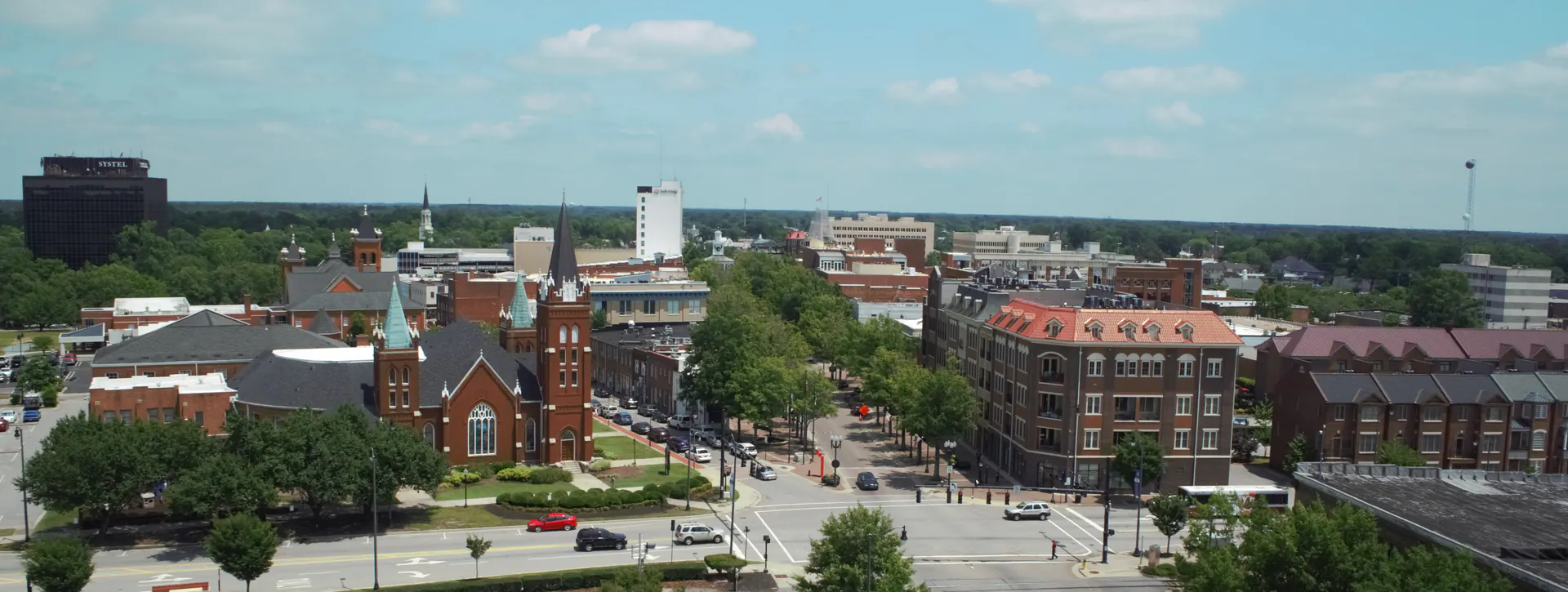
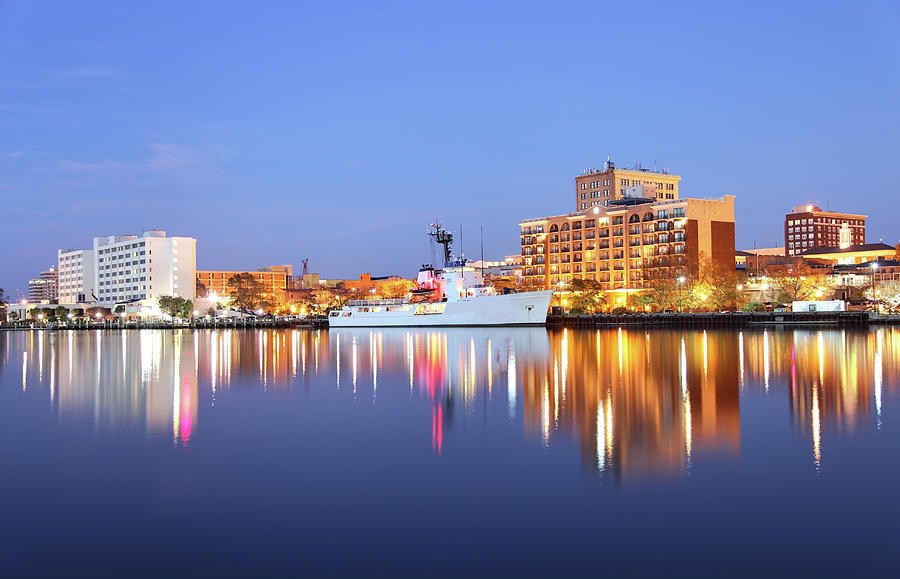
Wilmington sits on the North Carolina coast where the Cape Fear River meets the Atlantic, and its commercial roofs carry the full weight of a hurricane-exposed shoreline. Tropical systems deliver extreme wind uplift and torrential rainfall that find every weak edge and undersized drain, while day-to-day salt-laden marine air corrodes fasteners, edge metal, and rooftop equipment far faster than an inland site would see. The building stock runs from the warehouse and intermodal product around the Port of Wilmington and the Interstate 40 terminus, to the medical and institutional inventory tied to the region's hospitals and UNC Wilmington, to the retail, office, and hospitality assets serving a fast-growing coastal market. These are largely low-slope membrane roofs whose survival in a storm turns on details most owners never see. For owners, REITs, and asset managers holding coastal commercial property here, we provide documented condition, capital planning, and contractor oversight built for that exposure.
What the coast does to a Wilmington roof
Wind is the acute hazard. When a tropical system tracks up the Cape Fear coast, uplift concentrates at the perimeter, and any membrane whose edge fastening, termination bar, coping, or parapet detailing was under-built is where failure starts, often peeling back the field once the edge lets go. The same storms drop rainfall that overwhelms drainage and drives water under any flashing weakness in hours.
Between storms, the marine environment does slower damage. Constant salt exposure corrodes fasteners, edge metal, and rooftop mechanical equipment, weakening exactly the attachment points a roof needs to survive the next hurricane. High coastal humidity and heat push UV and thermal aging into the membrane, and organic debris and ponding in the flat coastal-plain drainage hold moisture against the surface. A roof that looks fine on a calm day can be quietly losing the perimeter strength that matters most.
Owner-side condition reporting and storm readiness
For a Wilmington owner, the foundational deliverable is a standardized condition report on every roof, with particular attention to perimeter and edge-metal condition given the wind exposure: membrane type and age, attachment and seam integrity, flashing and penetration detailing, drainage performance, corrosion on fasteners and edge metal, insulation moisture where warranted, and realistic remaining service life. We photograph and locate every defect so this year's baseline is directly comparable after the next season, which is what lets an owner document storm damage credibly and file within the required window rather than argue about pre-existing condition later.
Commercial Roofing Advisors installs, repairs, restores, and replaces commercial roofs. We base recommendations on documented roof conditions, building operations, and the owner's budget. From assessment and scope development through roofing work and closeout, our team helps owners protect the property and plan the next stage of its roof's service life.
Capital planning and warranty exposure on the coast
Warranty conditions are where coastal owners quietly lose money, because hurricanes stress exactly the terms manufacturers care about: wind-uplift limits, ponding restrictions, and the requirement to document and file storm damage within a fixed window. We track warranty terms, expiration dates, and compliance obligations across the portfolio and flag the routine actions that keep coverage intact on a six- or seven-figure roof. This is part of our broader North Carolina commercial roofing services coverage, and it feeds directly into multi-year capital forecasts that put every roof on a funded timeline, so budgeting reflects real coastal condition instead of last season's surprises.
Wilmington market coverage
We provide commercial roofing installation, repair, and replacement across Wilmington, North Carolina and the surrounding metro.