Roof Performance Over Occupied Space
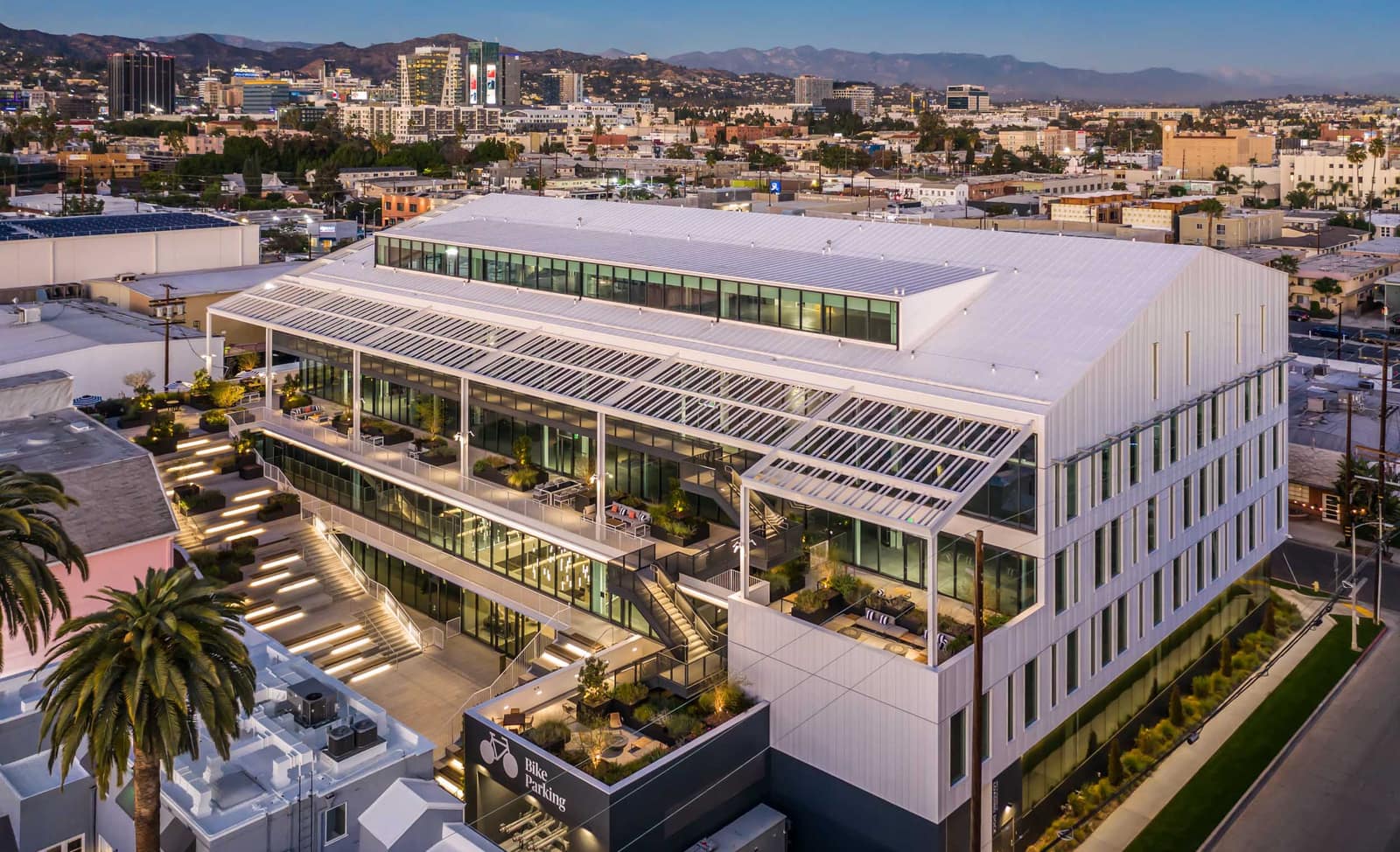
An office building roof is judged by how little anyone notices it. When it performs, tenants stay comfortable, energy bills stay predictable, and the asset holds its value; when it fails, the problem lands directly over occupied, leased, revenue-producing space. We advise owners, REITs, and property managers of office and corporate buildings on roof condition, performance, and capital timing, so the roof supports the building's income rather than threatening it. We sell no systems and bid no work, which keeps our advice aimed at the asset instead of a sale.
Roof performance is measured over tenants, not over an empty deck
Office roofs sit above people, servers, finishes, and tenant improvements, and that raises the stakes of every leak. A single intrusion can mean a damaged ceiling over a conference room, a data-closet scare, a tenant complaint, and a claim against the lease. Performance for an office roof therefore means more than keeping water out on average; it means low failure risk over the specific areas that would be most disruptive and most expensive to interrupt. We help owners map that risk building by building so inspection and repair effort concentrate where a failure would cost the most.
Energy load and comfort ride on the roof
The roof is one of the largest thermal surfaces on an office building, and it drives cooling load, tenant comfort, and operating cost. Insulation that has been wet for years no longer performs, reflective surfaces degrade, and a roof that is quietly underperforming shows up as higher energy spend and comfort complaints long before it shows up as a leak. When reflective or added-insulation options come up, we weigh the real operating benefit for this building and this climate against the capital cost, rather than treating a coating as an automatic answer.
Rooftop equipment complicates an office roof
Office roofs are crowded: rooftop units, condensers, exhaust fans, and the foot traffic that services them. Every curb and penetration is a potential leak path, and every service call by an unmanaged trade is a chance for damage that no one documents. A roof over an office should be inspected with its equipment in mind, and access for HVAC and other trades should be governed so the roof is not slowly worn out by the people maintaining everything else on it.
Capital planning across an office portfolio
For an owner with more than one building, the hard question is not whether any single roof needs work but which roofs need it first and how the spend sequences against leases, budgets, and hold periods. A roof over a building with a lease rolling next year is a different decision than the same roof over a long-hold asset. We build owners a portfolio-wide view of roof condition and remaining life, normalized so buildings can be compared, so capital goes to the roofs that protect income and value rather than to whichever building complained most recently.
What owner-side advisory looks like for an office asset
Our role is to give the owner and the property manager a current, independent answer for every office roof: its condition, where the performance and leak risk is concentrated, what it will need over the next five to ten years, and how that fits the building's operating budget and the portfolio's capital plan. We hold the warranties, track repairs, verify contractor work, and keep the record current as inspections, tenant changes, and weather events move the facts. That turns the roof from an unpredictable expense into a managed line item the asset can plan around.