Self-Storage
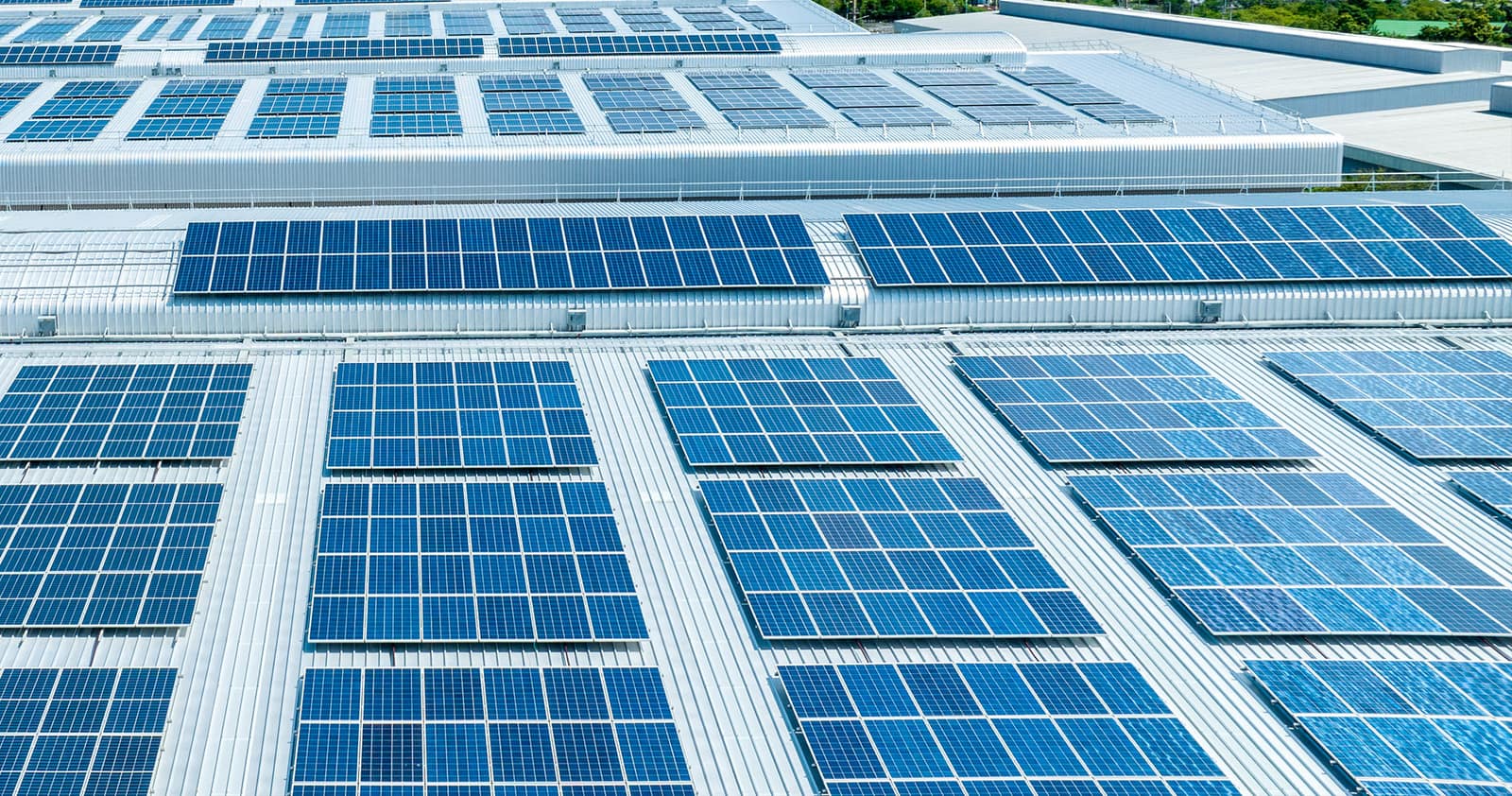
Self-storage is a roof-intensive asset class. A single facility can spread acres of low-slope and metal roofing across multiple single-story buildings, and a regional operator may hold dozens of facilities acquired from different developers, each with its own roof age, system, and history. The product the tenant pays for is dry space, which makes the roof the most direct driver of revenue protection and reputation across the portfolio. We advise storage owners from the ownership side, turning that sprawl of roof area into a clear, ranked view of condition, leak risk, and capital need.
Why Storage Roofs Behave Differently
Storage assets concentrate enormous roof area against thin operating margins per square foot. The buildings are typically unconditioned or lightly conditioned, the roofs are often metal panel or low-slope membrane spread over many separate structures, and there is rarely staff on site watching for early signs of failure. A leak does not announce itself with a tenant phone call the way a leak in an occupied office does - it shows up as water-damaged contents, a refund demand, a one-star review, and sometimes a liability claim.
Metal roofs, common on older storage, fail at the fasteners, seams, and end laps long before the panels themselves give out, and those failures are easy to miss from the ground. Low-slope membranes - TPO, PVC, EPDM, and modified bitumen - fail at penetrations, flashing, and seams. Across a multi-building site, those failure points number in the hundreds, and tracking them by walking the property occasionally is not realistic. A condition baseline turns that guesswork into a managed list with priorities attached.
The asset class also turns over quickly. Facilities are bought, sold, and rolled into larger portfolios with regularity, and roofs are one of the most common things that get glossed over in the rush to close. The roof that was someone else's deferred problem becomes the new owner's emergency, often within the first year of ownership, and usually without any documentation to fall back on.
Portfolio-Wide Condition Data
Storage owners think in portfolios, and roof oversight has to match. We assess every facility on a consistent scale so leadership can compare buildings, prioritize spending, and forecast capital across the whole holding. Our reviews focus on the data that drives owner decisions:
- System type and remaining service life for each roof - metal, TPO, PVC, EPDM, modified bitumen - building by building.
- Infrared moisture mapping to locate saturated insulation and trapped water before it spreads beneath the membrane.
- Metal-roof condition at fasteners, seams, and end laps, where coatings or recoating may extend life well short of full replacement.
- Leak history and tenant-exposure mapping, so the buildings holding the highest-value or most claim-prone contents get attention first.
- Warranty status across acquired facilities, including the documentation gaps that routinely surface after a portfolio purchase.
Because the assessment is consistent across every facility, the operator can do something that piecemeal inspections never allow: rank the entire portfolio on one scale and direct capital to the roofs that need it most, rather than to whichever location complained loudest. That portfolio view is the difference between managing roofs and reacting to them.
The Hidden Cost of an Unconditioned Building
It is tempting to treat a storage roof as low-stakes because the building is not climate-controlled and the structure is simple. That assumption is what lets problems run. The contents below are frequently worth far more than the building, and a tenant who finds a soaked mattress, a ruined sofa, or a box of damaged records does not care that the roof was cheap to build. The reputational cost of a single viral complaint, and the liability cost of a contested claim, can dwarf the price of the repair that would have prevented it.
Climate-controlled units add a second dimension. Where a facility conditions its space, a wet or failing roof drives up cooling load and energy cost, and a reflective surface becomes a measurable operating advantage rather than a nicety. We account for both the conditioned and unconditioned portions of a portfolio, because the right roof decision for a dusty drive-up building is not the same as the right decision for a climate-controlled wing full of sensitive contents.
Coatings, Capital Timing, and the Cost Curve
Because storage carries so much roof area, the choice between restoration and replacement has outsized financial weight. A reflective coating or SPF system can extend the life of a sound metal or low-slope roof at a fraction of tear-off cost, defer major capital, and cut cooling load on any conditioned units beneath - but only where the substrate genuinely supports it. We assess that honestly and never push a system, because we do not sell one.
We translate condition findings into a multi-year replacement and reserve forecast across the portfolio, so capital can be sequenced rather than clustered. Deferring roof spending on a storage asset is rarely free: the deferred-maintenance cost curve climbs as wet insulation spreads and as small leaks mature into structural and contents damage. Putting that curve in front of ownership lets the operator spend ahead of failure instead of behind it.
Decisions the forecast informs
- Which facilities are coating candidates this year versus full-replacement candidates later.
- How to stage roof capital across acquisitions so a single budget year is not overwhelmed.
- Where reflectivity meaningfully reduces operating cost on climate-controlled square footage.
- What reserve to carry per facility so a roof failure is funded rather than financed in a panic.
Diligence and Documentation for an Acquisitive Sector
Self-storage changes hands constantly, and roofs are a recurring blind spot in acquisitions. A facility that pencils on paper can carry a portfolio of roofs months from failure, and undocumented warranties leave a new owner with no recourse. We support diligence with independent condition assessments before a deal closes, and we maintain organized roof records - condition history, warranty terms, and repair logs referenced to NRCA and ASTM standards - for every facility a client holds.
That documentation protects value at every stage of ownership. It sharpens the underwriting on an acquisition by replacing assumptions with measured condition, it defends warranty claims when a manufacturer questions whether required maintenance occurred, and it presents a clean, credible roof picture when a facility or portfolio goes back to market. A buyer who can show documented roofs negotiates from strength; a seller who cannot leaves money on the table or absorbs a holdback.
From Assessment to Action
A condition report only creates value when it drives decisions, so we frame every finding for the operator's next move. For a single underperforming facility, that may mean recoating the metal roofs this year and reserving for membrane replacement in three. For a growing portfolio, it means a roof picture that scales with the holding - consistent data, a shared priority ranking, and a forecast that ownership and lenders can both rely on as the operator continues to acquire.
We stay owner-side throughout, with no stake in selling or installing a roof - only in protecting the dry space the business is built to sell. The operator keeps control of vendor selection and pricing; our job is to make sure each decision, across every building, is made on real condition data rather than on the urgency of the latest leak. That is what lets a storage owner treat roofs as a managed asset class instead of a recurring surprise.
Most engagements settle into a recurring cadence once the baseline exists. Periodic reinspection keeps the condition data current as roofs age and as the portfolio grows, catches new failure points at fasteners, seams, and penetrations before they become leaks, and keeps warranty maintenance documented so coverage stays intact. As facilities are acquired, each new roof is folded into the same scale and the same forecast, so the operator never again inherits a building with no roof history. Over a few cycles, what began as a one-time assessment becomes a living record that protects revenue, supports lending and resale, and lets ownership see exactly where every roof in the portfolio stands at any point in the year.