
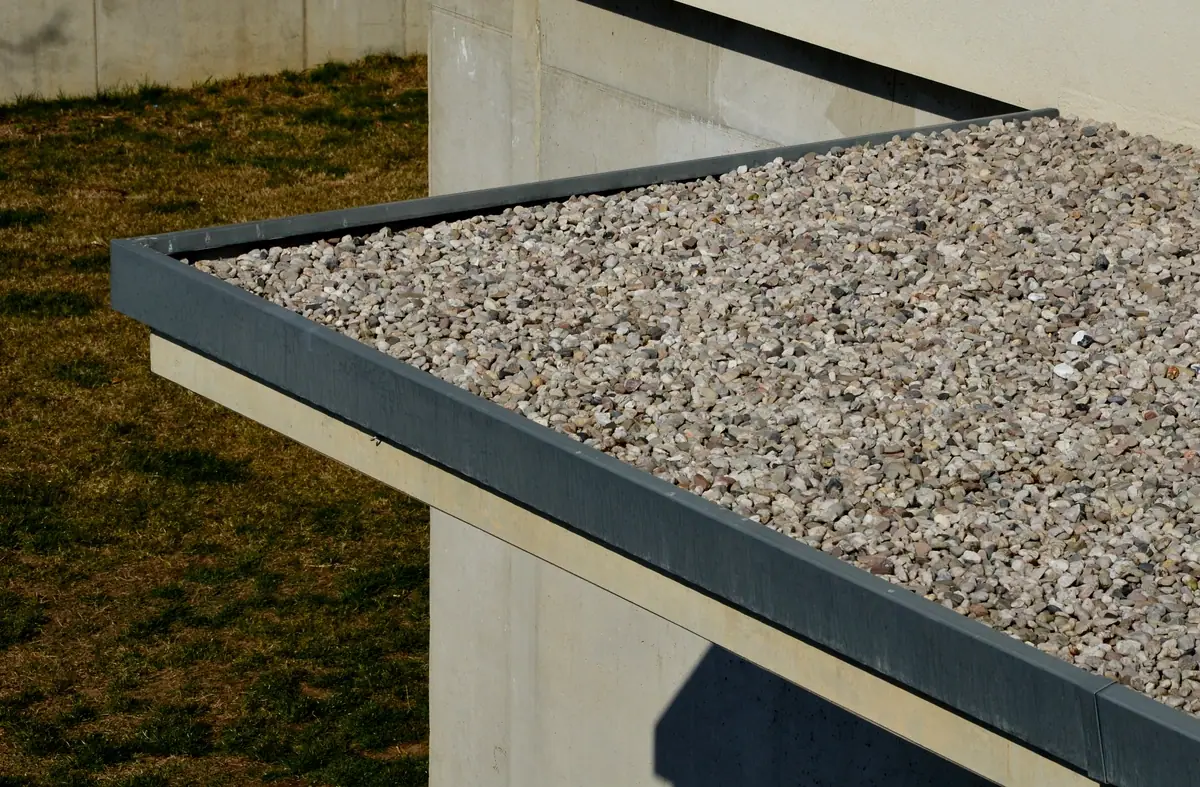
Commercial built-up roofing in Austin uses layers of roofing asphalt and reinforcing felts to form the waterproofing. Commercial Roofing Advisors helps owners identify the plies beneath gravel or other surfacing and decide which sections can be repaired or need replacement.
Distinguish the roof surface from the waterproofing
Gravel, a coating or a cap surface tells you about the top of the roof. Use roof records and selective openings where appropriate to identify how many roofing layers are present and what lies below them. Note past repairs where one roof zone may have different plies or surfacing from the next.
Ask which asphalt and reinforcing layers were specified if the documents are available. Material selection also depends on the slope, climate and construction below the membrane.
Asphalt Roofing Manufacturers Association bulletin on built-up roofing asphalt
Price the moisture extent and material handling separately
At an older Austin commercial building near the East Riverside corridor, roof additions can leave separate drainage zones and older sections with limited access. Map roof levels and use findings from representative areas before pricing a uniform scope across the address.
Account for existing ballast or embedded aggregate and the layers below it when reviewing the assembly weight. Locate where removed material can be staged and where equipment or temporary loads need review, especially if the deck is unverified.
Austin Planning plans for the East Riverside Corridor
Plan how the old assembly will join new sections
Trace the water path at walls and along the seam between old and new work. Locate sound plies for the transition and identify changes in height at drains and curbs. Agree on a temporary closure for each work stage if a complete section cannot be installed in one day.
Give bidders a separate line for removal by marked area and concealed deck work. Consistent quantities let the owner compare a selective repair with a tear-off without combining the risk of unknown layers into one allowance.
Questions from Austin building owners
Why is loose gravel an incomplete way to identify a built-up roof?
Other roof assemblies may have aggregate or ballast on top. Confirm the layered waterproofing through records or a controlled inspection before selecting repair materials.
What do exposed felts on an asphalt built-up roof mean?
They show that the protective surface is worn or missing in that area. Have the roofer check the underlying plies and moisture findings to determine whether local surfacing, repair or removal is appropriate.
Can deck repairs be priced before the built-up roof is opened?
Use any documented openings and known deck condition to set a base scope. Agree on unit pricing and signoff for concealed damage outside the documented areas.