
Orlando commercial roofing
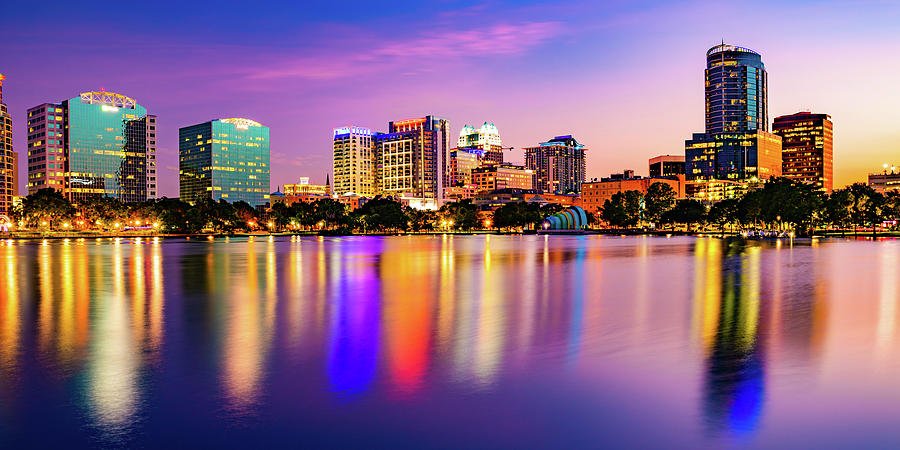
Orlando anchors an inland Central Florida metro whose commercial roof stock has grown around tourism, logistics, and technology. The hospitality and convention properties along International Drive and near the theme-park corridor, the enormous distribution and fulfillment inventory southeast toward the airport and along the SR-417 and SR-528 corridors, the simulation and tech campuses of the Research Park near UCF, and the office and mixed-use of Downtown all carry acres of low-slope membrane. Sitting in the heart of Florida's Lightning Alley, Orlando endures near-daily summer thunderstorms, extreme heat and UV, torrential convective rain, and the inland reach of hurricanes that still arrive with damaging wind and flooding rain even after landfall elsewhere. We advise Orlando owners, REITs, and asset managers with independent condition reporting and capital planning built for it.
Lightning, deluge, and relentless heat
Central Florida records more lightning strikes than almost anywhere in the country, and that daily storm activity defines the local roof workload. The afternoon thunderstorm cycle brings torrential downpours that overwhelm undersized or clogged drainage and turn marginal ponding into standing water, drives lightning that threatens rooftop equipment and its penetrations, and packs gusty straight-line winds that test edges and flashings. Because these storms are a near-daily summer reality rather than a rare event, the cumulative stress on a low-slope roof is severe even in a season with no named hurricane.
Heat and UV run underneath all of it. Year-round sun with no meaningful cool season ages membranes, adhesives, and coatings continuously, and when a hurricane does track inland to Orlando, it arrives with damaging wind and flooding rain that exploit any detail the daily storms and the sun have already weakened. Inland does not mean safe here; it means a different and constant kind of exposure.
The owners and buildings we serve
Orlando's inventory is distinctive. Owners hold large hospitality and convention roofs near the attractions and the convention district, enormous distribution and logistics footprints toward the airport and along the toll corridors where a single roof can span hundreds of thousands of square feet, and tech and institutional campuses near the Research Park and UCF. Each type ages differently and demands its own plan, which is why we track every asset as a distinct risk profile, part of our Florida commercial roof advisory coverage, rather than managing a diverse Orlando portfolio to one assumption.
Owner-side reporting and capital planning
The foundational deliverable is a standardized condition report for every roof, documenting membrane type and age, seam and attachment condition, flashing and penetration detailing, rooftop-equipment condition, and drainage performance, with defects photographed and located so reports compare directly year over year. Because we sit on the owner's side of the table, that report is not built to sell a re-roof; a roof with serviceable life should be maintained and monitored, not replaced because a contractor is available.
From that baseline we build multi-year capital forecasts that put every Orlando roof on a funded timeline, and we track the warranty conditions that this storm-heavy climate routinely threatens, including ponding beyond warranty limits during the daily rain cycle, undocumented storm damage, and unauthorized rooftop work by tenants or trades. After a hurricane or a significant storm passes over the portfolio, we inspect, scope, and competitively bid only the work that is genuinely warranted, and hold contractors to the documented condition rather than to their own estimate. An owner with real condition data and a standing plan protects their capital far better than one fielding reactive bids with no baseline of their own.
Orlando market coverage
We provide owner-side commercial roof advisory across Orlando, Florida and the surrounding metro.