
San Antonio commercial roofing
San Antonio's commercial roof stock spreads across a metro shaped by heat, sudden violent rainfall, and steady industrial growth. The logistics and manufacturing corridors along I-35 toward New Braunfels and I-10 toward the east and west sides, the medical and research campuses of the South Texas Medical Center, the military and institutional footprint tied to Joint Base San Antonio, and the tourism-driven properties around downtown and the airport all carry acres of low-slope membrane. Sitting at the edge of Flash Flood Alley, San Antonio pairs long, intense summer heat and UV with some of the most concentrated downpours in the country, and hail rides in with the spring storms off the Hill Country. That combination punishes drainage and details relentlessly. We advise owners, REITs, and asset managers here with independent condition reporting and capital planning built for it.
Heat, deluge, and drainage
The defining San Antonio stressor is the collision of extreme heat and extreme rainfall. Months of high UV bake membranes, adhesives, and coatings, shortening the realistic service life of any roof that is dark or unmaintained. Then the region's notorious flash-flood downpours arrive and dump enormous volumes of water in a very short window, overwhelming any drain that is undersized or clogged and turning a marginal ponding condition into standing water that finds every seam and flashing weakness. On a low-slope roof that has already been aged by the sun, that is exactly the sequence that produces interior leaks and deck damage.
Hail adds the third dimension. Spring supercells moving off the Hill Country can bruise and fracture a membrane without leaving obvious signs from the ground, and the damage compounds quietly until it surfaces as failures. Documented condition before the season and a prompt inspection afterward are what separate a defensible claim from an argument.
The owners and buildings we serve
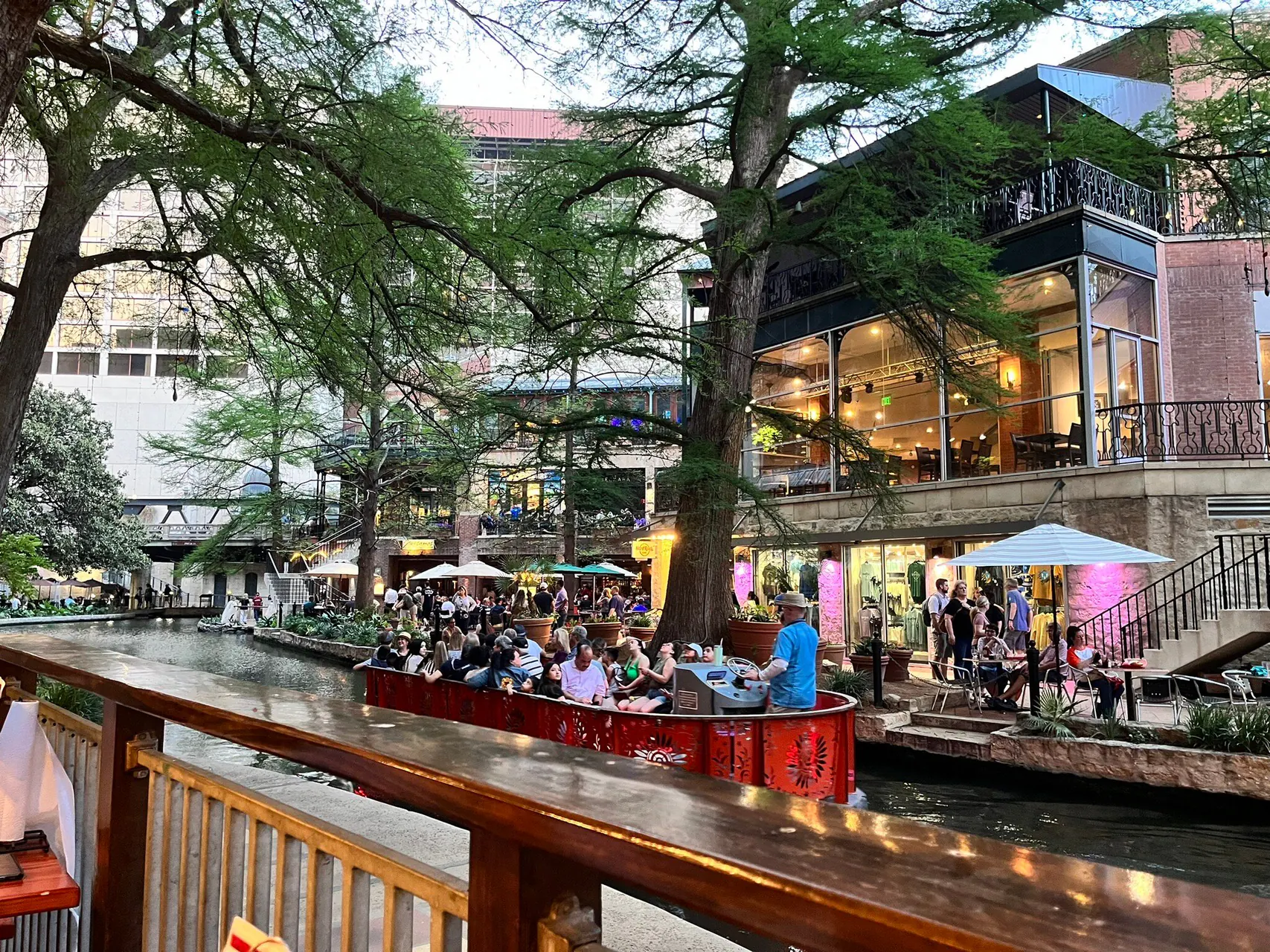
San Antonio's inventory ranges widely. Institutional owners hold large distribution and manufacturing roofs along the interstate corridors, where a single footprint can span hundreds of thousands of square feet and a deferred repair is never trivial. Others carry medical and research facilities near the Medical Center, hospitality and retail around downtown and the River Walk district, and office and mixed-use across the northern suburbs toward Stone Oak. Each type ages differently and needs its own plan, which is why we track every asset as a distinct risk profile, part of our Texas commercial roof advisory coverage, rather than managing a diverse San Antonio portfolio to one assumption.
Independent reporting and capital discipline
The foundational deliverable is a standardized condition report for every roof, documenting membrane type and age, seam and attachment condition, flashing and penetration detailing, and drainage performance, with defects photographed and located so reports are directly comparable year over year. Because we sit on the owner's side of the table, the report is not written to sell a re-roof; a roof with life left should be maintained and monitored, not replaced because a contractor is available.
From that baseline we build multi-year capital forecasts that put every San Antonio roof on a funded timeline and sequence replacements deliberately, and we track the warranty conditions that this climate routinely threatens, including ponding that exceeds warranty limits, undocumented hail damage, and unauthorized rooftop work. After a major storm passes over the portfolio, we inspect, scope, and competitively bid only the work that is genuinely warranted, and hold contractors to the documented condition rather than to their own estimate. An owner with real condition data and a standing plan protects their capital far better than one fielding reactive bids with no baseline of their own.
San Antonio market coverage
We provide owner-side commercial roof advisory across San Antonio, Texas and the surrounding metro.