
Cost Analysis
Cost per square foot is the number owners reach for first, and it is also the most misleading figure in commercial roofing. The same roof area can attract quotes that differ by a wide margin, not because one contractor is gouging, but because the scopes behind those numbers are not the same. Understanding what goes into per-square-foot pricing is the only way to compare bids fairly and to know which variables you can actually control.
What a Square-Foot Number Really Contains
A price per square foot bundles materials, labor, overhead, profit, and a set of assumptions about the building. When a contractor quotes a rate, they are pricing a specific assembly under specific conditions, and the rate moves with every one of those conditions. Two bids at very different per-square-foot numbers may both be reasonable if one includes a full tear-off, new insulation, and code upgrades while the other assumes a recover over the existing roof.
Because the metric compresses so many decisions into one figure, it is most useful as a final comparison once scopes are aligned, not as the starting point for choosing a contractor. The first job for any owner is to surface the assumptions underneath each rate so the numbers describe the same work.
The System Drives the Range
The single largest variable is the roofing system itself. Single-ply membranes such as TPO, EPDM, and PVC, modified bitumen, built-up roofing, and metal each carry different material costs, labor intensities, and service lives. A premium membrane or a metal system sits well above a basic single-ply on a per-square-foot basis, but the higher first cost often buys longer life and lower lifecycle cost.
- Membrane type and thickness, which trade upfront cost against durability and warranty length.
- Insulation type and R-value, often a large and code-driven line item.
- Cover boards, fastening patterns, and attachment methods required for wind and fire ratings.
- Warranty tier, since longer manufacturer warranties carry higher material and inspection costs.
Comparing a bid for one system against a bid for another tells you little until you account for expected service life. The right comparison is cost over the life of the assembly, not cost on installation day.
Tear-Off, Deck, and What Lies Beneath
What sits under the new roof can swing the price as much as the roof itself. A full tear-off removes the existing system down to the deck and adds labor, disposal, and the risk of discovering damage once the old roof is open. A recover installs the new system over the existing one, saving cost but only permitted in certain conditions and limited by code on the number of existing layers.
The deck condition is the wildcard. Wet insulation, deteriorated decking, or hidden structural issues often surface mid-project and convert a clean bid into a change order. A contractor who has investigated the deck and priced contingencies will quote higher than one who assumes ideal conditions, yet the cautious bid is frequently the more honest number. Owners who push for the lowest rate often pay the difference later in change orders.
Access, Complexity, and Region
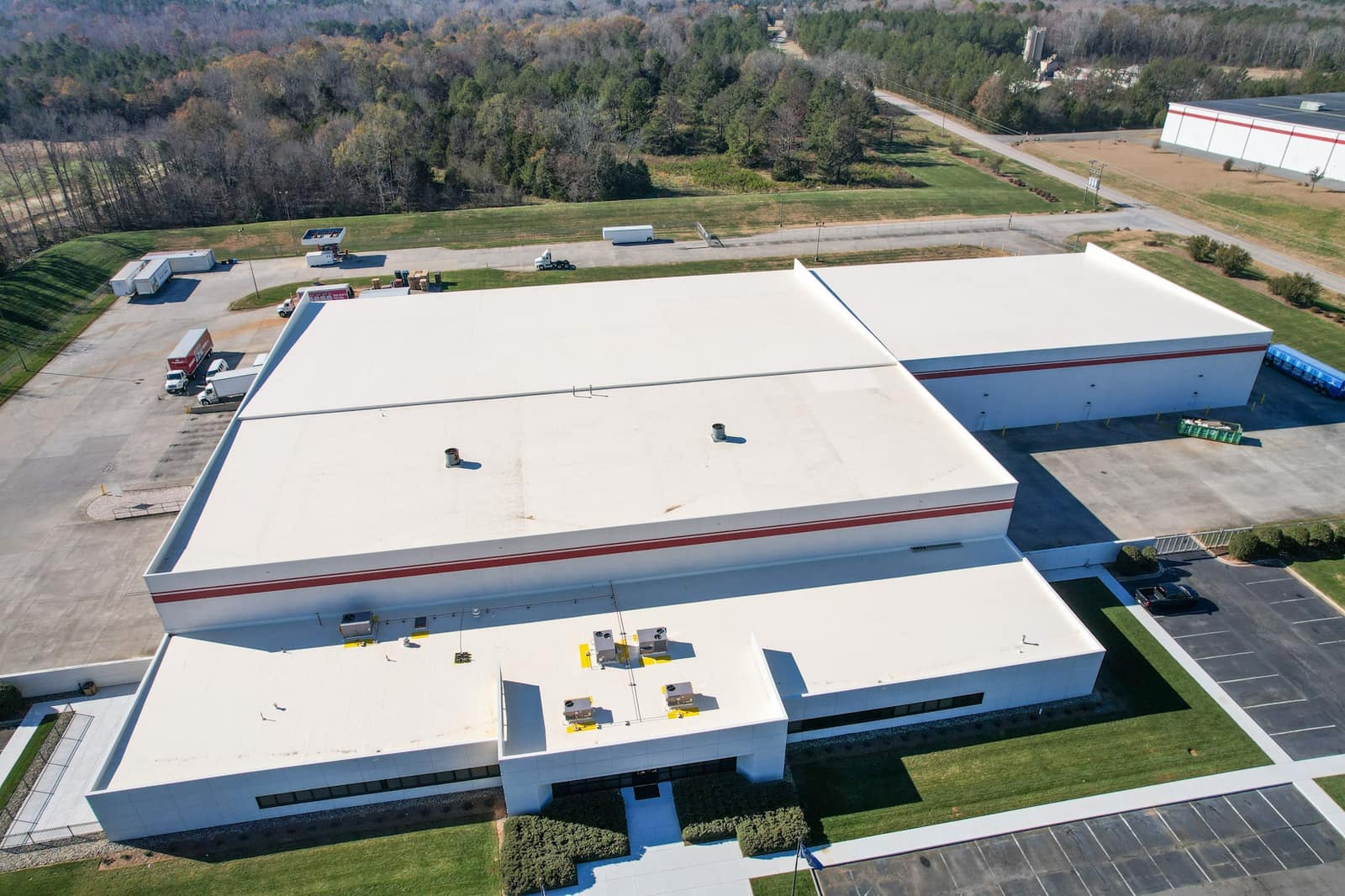
Two roofs of identical area and system can price very differently based on how hard they are to work on. A flat, open roof on a single-story warehouse is far cheaper per square foot than a roof crowded with HVAC units, skylights, drains, and parapets, each of which requires detailing and flashing. Building height, staging constraints, and limited crane or material access all add labor and time.
- Penetrations and rooftop equipment that multiply flashing and detail work.
- Roof slope, drainage design, and the complexity of edges and transitions.
- Height, access, and staging that affect material handling and safety requirements.
- Occupied-building conditions requiring phasing, night work, or interior protection.
Regional factors layer on top of all of this. Local labor rates, prevailing wage requirements, climate-driven code provisions, and material availability mean an identical scope can cost noticeably more in one market than another. A national per-square-foot average is a rough orientation at best, and any range you see should be treated as typical rather than precise.
Why Bids Vary So Widely
When owners receive quotes that diverge sharply, the cause is almost always scope, not pricing discipline. One bidder may include code-mandated insulation upgrades, tapered systems for drainage, and a long-term warranty, while another quotes a minimal recover with a short warranty and no allowance for deck repair. The cheaper number often omits work that will eventually be required, making it a partial picture rather than a true comparison.
Differences in warranty tier, contingency for hidden conditions, and assumptions about access and disposal account for much of the spread. The way to neutralize this is to issue a common, detailed scope to every bidder so each prices the same assembly, the same tear-off approach, the same warranty, and the same allowances. Only then does the per-square-foot number become a fair basis for comparison.
How We Advise Owners
We help owners look past the headline rate to the scope and lifecycle cost underneath it. That starts with defining a single, detailed specification, system, insulation, attachment, warranty, and deck contingency, so every bid answers the same question. With a common scope in place, the per-square-foot figures finally describe comparable work, and the lowest responsible number becomes visible rather than the lowest incomplete one.
We also frame the decision in capital terms, weighing first cost against expected service life, maintenance demands, and the risk of deferred work surfacing later. Where a recover is tempting, we test whether it is genuinely permitted and prudent or simply cheaper today. The goal is not the smallest invoice but the lowest cost of ownership over the roof's life, priced on assumptions you have actually seen and agreed to.