
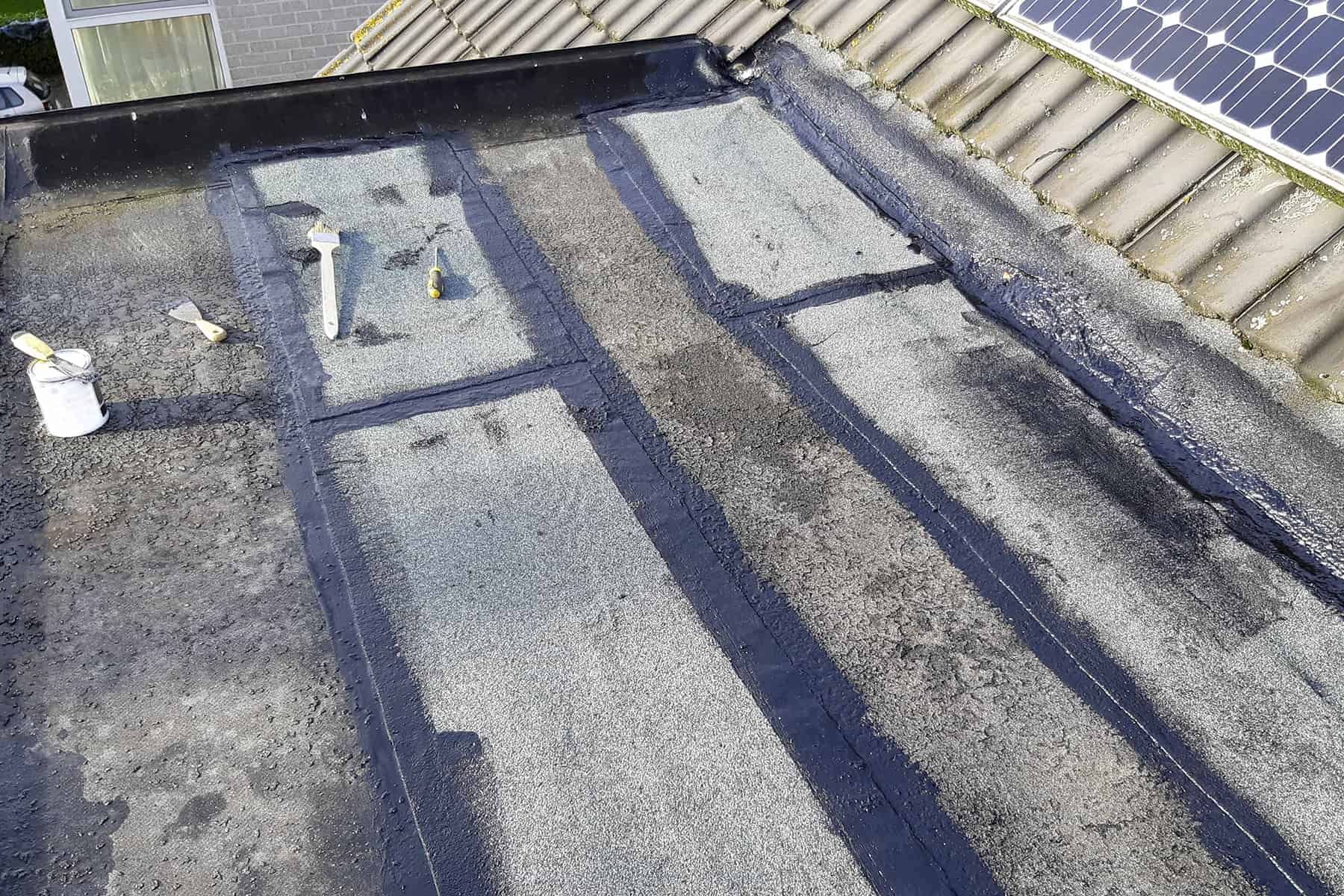
Every Leak Recorded
Most building owners discover the cost of a roof leak twice: once when water reaches a tenant's ceiling, and again months later when the same spot leaks during the next storm. The gap between those two events is almost always a missing record. We operate a roof leak tracking program that captures every reported leak as a documented event, ties it to a location on the roof, links it to a probable cause, and follows it through to a verified repair so that recurrence becomes the exception rather than the pattern you have learned to expect.
Why Untracked Leaks Cost More Than the Repair
A single leak invoice rarely looks alarming. The damage shows up in aggregate. When leak calls are handled as one-off dispatches, the same penetration, seam, or drain can fail three or four times in a season, each time generating an emergency rate, interior remediation, and a tenant complaint that never gets connected to the others. Without a record, you cannot tell the difference between a roof that needs a $400 repair and a roof that is telling you it has reached the end of its service life.
Tracking changes the unit of analysis from the invoice to the roof. We look for the leak that keeps returning, the membrane field that produces a cluster of calls, and the building that quietly absorbs more reactive spend than its peers. That pattern is the signal that should drive a capital decision, and it is invisible until someone is keeping the record on the owner's behalf rather than the contractor's.
What We Record for Every Event
A leak report is only useful if it is specific enough to compare against the next one. Each event in the program is logged with consistent fields so that a leak at a single-ply TPO seam in March can be matched against the same seam in November. We capture:
- Date reported, date inspected, and date the repair was verified closed
- Precise roof location mapped to a plan or grid reference, not just "northeast corner"
- Membrane or system type at the leak point - TPO, PVC, EPDM, modified bitumen, BUR, SPF, or coated assembly
- Probable source: field seam, flashing, penetration, drain, scupper, parapet, mechanical curb, or pitch pocket
- Interior impact and any tenant or operations disruption
- Repair method used and the contractor who performed it
- Warranty status of the affected area and whether the work was claimed
The discipline is in the consistency. When every report uses the same vocabulary, a year of scattered calls resolves into a map of where a roof is actually failing.
Mapping Leaks to the Roof, Not the Ticket
We tie each event to a physical location on a roof plan. Over time this produces a heat map that no individual service call could reveal. A cluster of leaks along one drainage path points to ponding and a slope problem rather than random membrane wear. Repeated failures at mechanical curbs suggest the original flashing details were undersized for the equipment that now sits on them. A line of seam failures across an aged EPDM field is a different conversation entirely - that is replacement planning, not patching.
This spatial record also protects you in warranty disputes. When a manufacturer or installer questions whether a failure is workmanship, material, or owner-caused, a documented history of where and when water entered, with photos and dated repairs, is the difference between a claim that is honored and one that is denied for lack of evidence.
Closing the Loop on Recurrence
A repair is not finished when the crew leaves the roof. In our program it is finished when the next rain confirms the work held. We flag every closed leak for recurrence monitoring, and a return at the same location is escalated rather than re-dispatched as a fresh call. Recurrence is treated as a diagnostic failure: the first repair addressed the symptom and missed the source. That distinction matters because chronic re-leaking at one point is frequently a sign that water is traveling under the membrane and surfacing far from where it actually enters.
Tracking recurrence also disciplines the contractors doing the work. When repairs are logged and their durability is measured, the data tells you which crews produce lasting fixes and which produce callbacks. That is leverage you do not have when leaks are handled invoice by invoice.
How the Record Drives Capital Decisions
The purpose of tracking is not paperwork; it is timing. A roof that generates a rising count of distinct leak locations across a season is signaling that isolated repairs are no longer the economical response. We use the leak history to inform the decision between continued maintenance, a fluid-applied coating restoration on a sound but aging membrane, or full replacement. That decision should rest on documented failure trends, warranty exposure, and the trajectory of reactive spend - not on the urgency of the most recent emergency call.
Across a portfolio, the same record lets you rank buildings by leak burden and direct capital where the evidence supports it. The leak that gets fixed is the one your tenant noticed. The leak program tells you which roofs are quietly approaching the point where the next dollar is better spent on the system than on the symptom.
The handoff should survive the service call
The work becomes more valuable when it leads to an inspection that separates an isolated repair from restoration, recover, or replacement planning. A service call, inspection, and capital project should use one continuous property and roof-area history. The record should support both field work and management review. Technicians need locations and prior details; ownership needs priorities, open risk, completed spending, next inspection dates, and a defensible future sequence. Recurring service should not disappear when a capital project begins. Commercial Roofing Advisors can preserve the agreement and roof history while larger work is scoped, completed, closed out, and returned to inspection status.
Collect the details that shape safe dispatch
Before dispatch, collect the address, responsible building contact, safe access route, occupied area below the problem, time and behavior of the leak, known roof type, and any temporary protection already attempted at the commercial property. If the building has prior reports, warranties, repair invoices, roof plans, or known drain locations, those records can shorten the investigation. They should be treated as history to verify, not as proof that the present failure has the same cause. Clear intake notes reduce wasted roof time and prevent the handoff from losing urgent details. They also create the first event in the roof history that later inspections and repair records can reference.
Define scope and pricing boundaries
The owner should see the boundary between the base scope and contingent work. That includes moisture limits, substrate repair, additional layers, damaged deck, blocked piping, inaccessible details, hazardous materials, and work by other trades. Exclusions should not function as an escape hatch. Each exclusion needs a reason and, where practical, a defined way to resolve it through testing, access, document review, engineering, or a unit-price condition discovered during construction. When assumptions are visible, the owner can decide whether to investigate further before award or carry a controlled contingency. Either choice is stronger than discovering that two supposedly comparable bids covered different roofs.
Why local exposure changes the field plan
A Advisors roof review has to account for seasonal rainfall, wind, rooftop temperature movement, and changing access conditions. Those conditions affect access, observation timing, drying, and temporary protection before they affect the final recommendation. Interior evidence should be mapped to a roof elevation before anyone chooses a drain, wall, curb, seam, penetration, or edge as the cause. Water can move laterally through insulation, along deck flutes, or down structural elements and appear away from the opening. This distinction protects the owner from treating a correlation as proof. It also lets the next technician revisit the precise unknown instead of repeating the entire investigation.
Document the condition before choosing the scope
For Commercial Roofing Advisors, the field file should capture the affected interior zone, roof-area map, repair history, membrane condition, wet-area indicators, photographs, test locations, and the exact limits of the proposed repair. Each note needs a roof-area reference so a photograph or recommendation can be found again after the visit. During the visit, the technician should trace the water path from the interior evidence back through roof elevations, seams, penetrations, curbs, walls, edges, and drains instead of sealing the first suspicious detail. Wide views, detail views, measurements, markings, and interior references make the findings reproducible instead of dependent on memory. Temporary protection, permanent repair, routine maintenance, and capital recommendations belong in separate sections. This keeps a successful dry-in from being mistaken for the completed repair and lets competing proposals be compared on the same basis.
Treat each roof assembly on its own terms
single-ply membrane, modified bitumen, and metal roof areas can show a similar interior symptom while requiring different investigation and repair details. The observed assembly—not a generic flat-roof label—has to control the scope. The scope should name the membrane or surface that was actually observed, identify unknown construction, and check compatibility before mastics, primers, membranes, or coatings are specified. Core information may be necessary when layers and attachment affect the option set. The final comparison should show which materials can accept repair or restoration, which areas need removal, and which unknowns could change the scope. Product preference comes after those conditions are established.
Roof work has to fit real operations
A technically correct detail is only part of the job at commercial properties such as office buildings, occupied commercial facilities, and warehouses. The plan also has to protect people, inventory, equipment, and normal access below the roof. Document roof access, sensitive rooms and inventory, deliveries, public entrances, tenant hours, exhausts and air intakes, interior evidence, and the route used to move tools and debris. These conditions belong in the written scope before scheduling. Wet-weather work may stop at stabilization because permanent materials need a clean, dry substrate and a workable forecast. Daily closeout should state what was opened, completed, and left under temporary protection.
Make repair, restoration, and replacement distinct decisions
Before pricing becomes the focus, ownership needs an answer to whether the defect is isolated, whether trapped moisture changes the scope, and whether continued spot repair remains defensible. That answer should define the boundary between service work and a capital project. Compare the distribution of wet materials, attachment and deck concerns, drainage, detail density, repair frequency, disruption, expected ownership period, energy goals, code assumptions, and warranty requirements. Cost without those differences is not a lifecycle comparison. Ownership should be able to see why a roof can be maintained, why it qualifies for restoration, or why removal is necessary. The report earns that conclusion through field evidence rather than sales urgency.
Owner decision checklist
- Map the interior symptom to a named roof area before selecting a repair detail.
- Record temporary measures separately from permanent work and list every open item.
- Verify drainage, penetrations, walls, edges, earlier repairs, and transitions around the affected area.
- State the observed roof assembly, unknown construction, access limits, and testing assumptions.
- Connect the recommendation to repair, restoration, replacement, maintenance, or capital-planning thresholds.
- Set the next inspection or follow-up date so the roof history continues after this visit.
Commercial roof decision questions
Does this condition automatically mean the roof must be replaced?
No. The review should establish whether the defect is isolated, whether trapped moisture changes the scope, and whether continued spot repair remains defensible. Replacement becomes a defensible recommendation only when the field evidence, moisture, assembly condition, repair history, deck or attachment concerns, and lifecycle comparison support it.
What should the roof scope document?
It should document the affected interior zone, roof-area map, repair history, membrane condition, wet-area indicators, photographs, test locations, and the exact limits of the proposed repair. It should also label temporary and permanent work separately, state assumptions and exclusions, and identify the inspection or service step that follows the current scope.
How does an urgent call become a maintenance or capital plan?
The immediate visit creates the first roof-area record. A follow-up inspection establishes condition and priorities. Completed repairs, recurring observations, drain service, warranties, and future recommendations are then retained so maintenance stays scheduled and larger work can be placed into the appropriate capital year.
From service call to roof plan
Use the next decision, not the biggest sale.
Stabilize the problem, document the roof, compare the viable paths, and keep the resulting roof history active.