
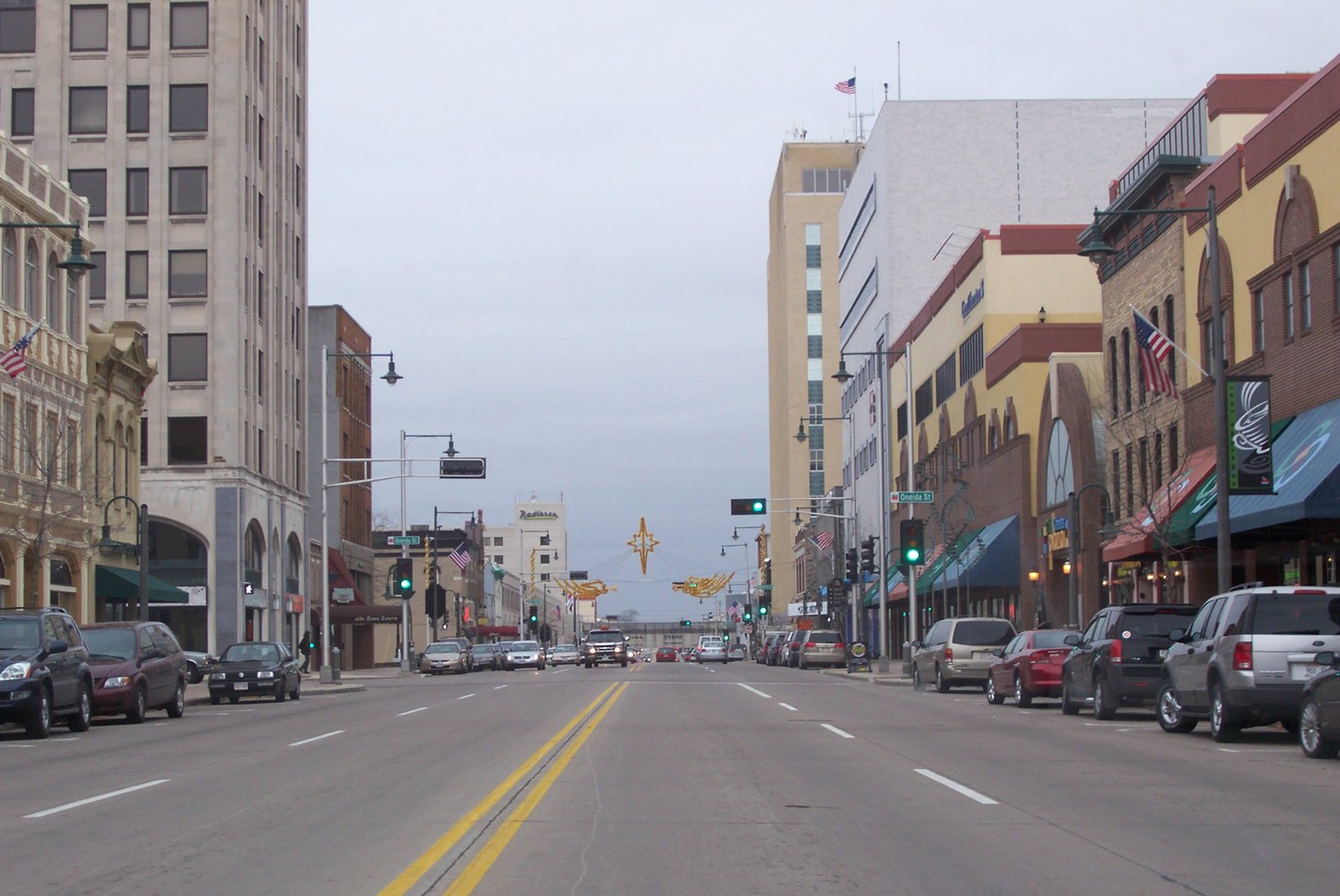
Appleton commercial roofing
Appleton sits at the center of the Fox Valley's dense manufacturing and paper economy, and its commercial roofs carry a workload defined by long, cold winters and heavy industrial use. The paper mills and converting plants strung along the Fox River, the printing, machinery, and food-processing facilities in the industrial parks off Highway 41 and toward Neenah, Menasha, and Grand Chute, the retail corridor around the Fox River Mall, and the office and healthcare stock through the metro all sit under months of snow, deep cold, and repeated freeze-thaw cycling. Between the accumulated snow load, the interior humidity that paper and food plants generate, and the hard temperature swings of a Wisconsin winter, low-slope roofs here age under stresses that a temperate market never faces. We advise Appleton owners, REITs, and asset managers with independent condition reporting and capital planning built for it.
Why Fox Valley roofs fail
The first driver is snow load and its aftermath. Winter snow concentrates at drifts, valleys, and behind rooftop equipment on wide low-slope roofs, and the freeze-thaw cycling that follows drives meltwater into seams, laps, and flashings that were watertight in fall. Internal drains freeze, ice dams form at cold eaves and parapets, and meltwater ponds on the field until it finds a weakness and reaches the deck.
The Fox Valley's manufacturing base adds a second: process humidity. Paper converting, printing, and food plants push moisture and vapor into the roof assembly from below, and where vapor control was poorly detailed, that moisture saturates insulation and quietly corrodes fasteners and deck. The failure is invisible from inside until it reaches a tenant's ceiling, which is why documented condition going into winter matters far more than diagnosing leaks in the thaw.
The owners and buildings we serve here
Appleton's stock is heavily industrial: paper mills, converting and printing plants, machinery and food-processing facilities, and the distribution buildings that serve them, alongside the retail, office, and healthcare roofs of the metro. The older mill and converting buildings often carry aging built-up and modified-bitumen roofs that need a deliberate replacement sequence, while newer manufacturing and distribution footprints run single-ply systems that reward disciplined maintenance and warranty compliance. Each ages differently under the same winter, so we treat each asset as its own risk profile. This work is part of our Wisconsin commercial roof advisory coverage.
Owner-side reporting and capital planning
The foundational deliverable is a standardized, honest condition report for every roof you hold. We document membrane type and age, seam and attachment condition, flashing and penetration detailing, drainage capacity, and trapped moisture where investigation is warranted, then locate and photograph defects so this year's report is directly comparable to next year's. Because we sit on the owner's side of the table, that report is built to protect capital rather than to sell a re-roof.
From that baseline we build a multi-year capital forecast that puts every Appleton roof on a funded timeline and sequences replacements deliberately instead of as winter emergencies. We track warranty terms and the snow-load, ponding, and unauthorized-rooftop-work conditions that void coverage, and we flag the vapor and insulation problems that the Valley's process buildings create. When the thaw exposes damage across a portfolio, we inspect, scope, and competitively bid the work that genuinely needs doing, and hold contractors to the documented condition rather than to their own estimate, so owners decide from data instead of from the first solicitation of the season.
Appleton market coverage
We provide owner-side commercial roof advisory across Appleton, Wisconsin and the surrounding metro.