
Detroit commercial roofing
Detroit's commercial roof stock is vast, aging, and built around the automotive industry, and it works under a cold-climate workload that inverts the challenges of the Sun Belt. The metro carries an enormous inventory of low-slope industrial roofs — assembly plants, stamping and supplier facilities, and the warehousing that feeds them across Wayne, Oakland, and Macomb counties — alongside a downtown of older office towers and a wave of adaptive-reuse and revitalization projects. These roofs face long, hard winters: heavy snow load that stresses structure and drainage, repeated freeze-thaw cycling that opens seams and flashings, and ice damming at eaves and low points where meltwater refreezes. Summers add their own heat and UV and the region's severe thunderstorms and occasional hail. Much of the building stock is decades old, which compounds every one of these stresses. We advise the owners, manufacturers, and asset managers holding this inventory on documented condition, capital planning, and contractor oversight built for a Great Lakes climate.
Automotive, industrial, and downtown roofs
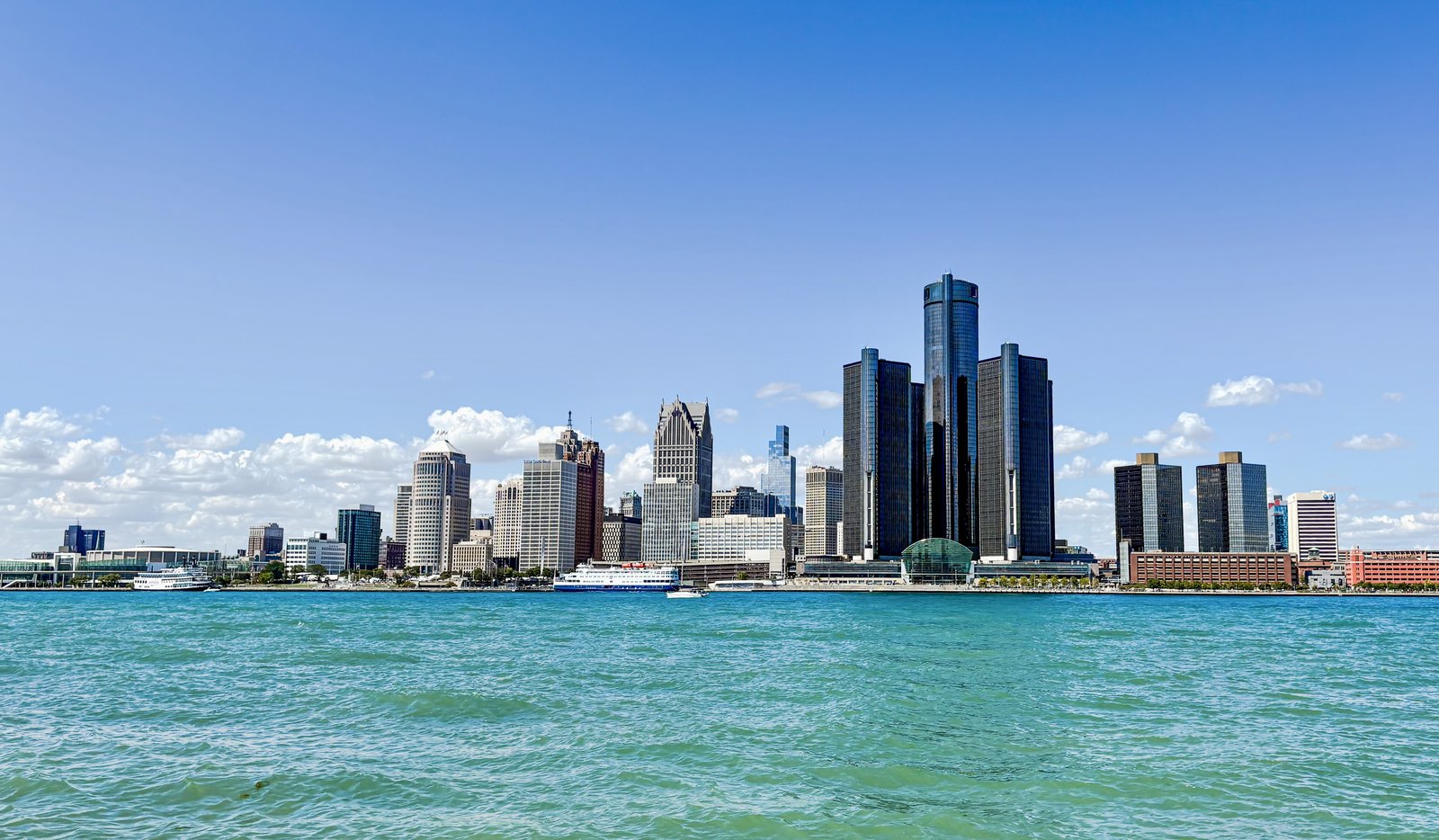
Detroit's roofs skew industrial and old. The assembly plants, stamping facilities, and Tier-1 supplier campuses across the metro carry enormous low-slope membranes where a single detail failure spreads across acres before anyone inside notices, and where the operations beneath run on tight schedules that a roof leak can halt. Downtown and Midtown carry older office towers and institutional buildings, many with aging roofs and complex detailing, and the adaptive-reuse projects reviving the urban core add roofs where new assemblies meet century-old structures. These are distinct risk environments — an aging warehouse roof in a freeze-thaw climate is a different problem from a newly converted downtown building — and we track them as such rather than treating "Detroit" as one assumption.
What the Great Lakes winter does to a roof
The failure drivers here are cold-climate and cumulative. Heavy snow load stresses structural capacity and buries drainage for months, and when it melts it overwhelms drains and finds every detail weakness at once. Repeated freeze-thaw cycling is relentless in this climate — water enters a seam or flashing, freezes, expands, and levers the assembly apart over many cycles a winter. Ice damming at eaves and low points forces meltwater back under membranes and flashings. On top of that, summer heat and UV age membranes and the region's severe storms bring wind and occasional hail. And because so much of Detroit's stock is decades old, these forces act on assemblies that are already near or past their service life, where trapped moisture and creeping failure stay invisible until the deck is compromised or a tenant reports damage.
Owner-side reporting and capital planning
For an owner, manufacturer, or asset manager, the foundational deliverable is a standardized condition report for every roof — membrane type and age, seam and attachment condition, flashing and penetration detailing, drainage and snow-load performance, insulation moisture where conditions warrant investigation, and realistic remaining service life, photographed and located so this year's report is directly comparable to next year's. Because we sit on the owner's side, the report is vendor-neutral: a roof with serviceable life left is maintained and monitored, not replaced because a crew is available. That distinction matters enormously across an aging Detroit portfolio, where dozens of roofs of different ages compete for the same capital and where the difference between a sequenced replacement plan and a reactive one is measured in millions. From those baselines we build multi-year capital forecasts that put every roof on a funded timeline. This is part of our Michigan commercial roof advisory coverage.
Warranty exposure and independent oversight
Warranty exposure quietly drains budgets here. Single-ply warranties carry strict conditions, and Detroit realities — ice damming and snow-load conditions that exceed warranty limits, rooftop equipment and penetrations added by tenants or trades, storm and hail damage undocumented and unfiled within the required window, and missing maintenance records — routinely put coverage at risk on assets that are already old. We track warranty terms, expiration dates, and compliance obligations across the portfolio and flag the routine actions that keep coverage intact. When work genuinely needs doing, we scope it, bid it competitively, and hold contractors to documented condition rather than to their own estimate — the independence an owner needs to manage a large, aging inventory through a demanding climate.
Detroit market coverage
We provide owner-side commercial roof advisory across Detroit, Michigan and the surrounding metro.