
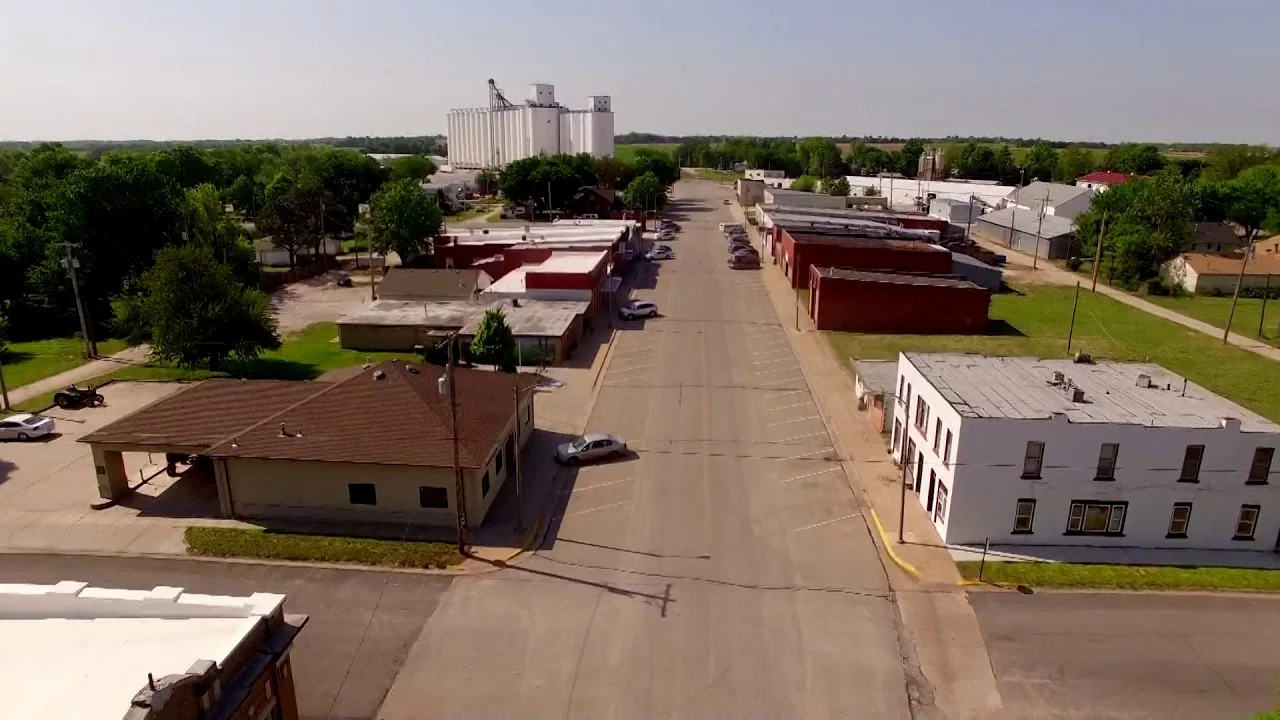
Kansas statewide
Kansas sits squarely in hail and wind country, and that single fact shapes nearly every decision an owner makes about a commercial roof here. We advise building owners, REITs, and asset managers across the state on the assets they hold rather than the crews they hire, which means our work is condition reporting, capital planning, warranty management, and storm-loss strategy. We are not a local installation contractor, and that owner-side position is deliberate: it lets us tell you what a roof actually needs, when to spend, and where a third-party claim or warranty argument is worth pursuing across a Kansas portfolio that may span Wichita, the Kansas City suburbs, and a string of distribution buildings along the interstates.
Commercial roofing markets we serve in Kansas
Explore owner-side commercial roof advisory in these Kansas cities:
The commercial markets we cover across Kansas
Two metros anchor most of the commercial square footage we see. Wichita, the state's largest city, is the center of its industrial base and carries an aerospace and advanced-manufacturing cluster that is among the most concentrated in the country. Textron Aviation, Spirit AeroSystems, Bombardier Learjet, and a deep supply chain of more than four hundred aerospace firms occupy large-format manufacturing plants, hangars, and assembly buildings, many with expansive low-slope membrane roofs that are difficult and costly to replace once they fail. The Wichita market has also begun absorbing genuine big-box distribution, including new Amazon facilities and warehouses in the hundred-thousand to half-million-square-foot range.
The Kansas side of the Kansas City metro is the second major concentration. Johnson County, Wyandotte County, Overland Park, and the logistics corridors of Wyandotte and surrounding counties carry office parks, retail centers, and a heavy load of warehouse and distribution product feeding the broader Kansas City freight hub. Topeka adds a layer of state government and institutional buildings, and the I-70 and I-35 corridors string together regional distribution centers, grain and food-processing facilities, and the agricultural-industrial buildings that reflect the state's farm economy. Across all of these markets the building stock skews toward large, flat, membrane-roofed structures, which is exactly the profile most exposed to the hail and wind risk that defines Kansas.
The weather that drives roof failure here
Kansas lies in the heart of Tornado Alley, and the practical risk to a commercial roof is less the rare tornado strike and more the routine severe-storm season that produces large hail and damaging straight-line winds across central and south-central Kansas year after year. Hail ranging from quarter-size up through golf-ball, tennis-ball, and occasionally baseball-size is reported regularly, particularly in the spring and early summer corridor that runs through the Wichita region and the counties to its north. Hail bruises and fractures membranes, splits cap sheets, dents metal panels, and shortens the service life of a roof long before any visible leak appears, which is why hail damage is so often litigated and so often missed in a quick walkthrough.
Wind is the companion threat. Straight-line gusts of seventy to eighty miles per hour during severe events lift, billow, and peel membrane edges and flashing, and they are responsible for as much insured roof loss in Kansas as the hail itself. On top of the storm season, Kansas runs through a hard continental freeze-thaw cycle. Repeated swings across the freezing point work water into seams, fasteners, and parapet details, then expand it, accelerating the splitting that hail and UV have already started. The cumulative weather drivers we plan around in this state include:
- Large hail across central and south-central Kansas during the spring and summer storm season
- Damaging straight-line winds and the edge and flashing failures they cause on low-slope roofs
- Tornado-grade events that drive sudden, total roof loss on individual buildings
- Freeze-thaw cycling that opens seams, fasteners, and parapet details over winter
- High summer UV and heat loading that degrades membranes between storm seasons
What owner-side advisory looks like in practice
For an owner or asset manager, the core deliverable is a clear, current picture of every roof in the portfolio and a defensible plan for spending on it. We build condition assessments that document membrane type, age, attachment, drainage, and existing damage, then translate those findings into a multi-year capital plan that tells you which roofs need replacement, which can be extended with targeted repair, and which are at the point where deferring spend simply transfers the cost into interior and tenant-improvement losses the next time hail comes through.
In a hail state, two pieces of that work carry outsized weight. The first is post-storm documentation: after a severe event, the difference between a paid claim and a denied one usually comes down to whether the damage was inspected, photographed, and tied to a dated weather event by someone working for the owner rather than the carrier. The second is warranty exposure. Manufacturer membrane warranties carry conditions on maintenance, attachment, and modification that owners routinely breach without realizing it, and a warranty that looks like protection on paper can be void by the time you need it. We track those obligations across the portfolio so that coverage actually survives to the moment of a claim.
Managing a Kansas portfolio across building types
A statewide portfolio in Kansas rarely holds one kind of building, and the roofs do not age the same way. The advisory questions we work through with owners and asset managers across the state include:
- How aerospace and manufacturing plants in the Wichita area carry large, older membrane fields where a full replacement is a major capital event that has to be sequenced and budgeted years ahead
- How newer distribution and big-box assets near Kansas City and along the interstates concentrate risk in single, very large roof fields where one hail event can threaten the whole structure
- How retail and office product in Overland Park and the Johnson County submarkets ties roof condition directly to tenant retention and lease economics
- How agricultural-industrial and food-processing buildings combine metal and membrane systems with operational conditions that change how a roof should be maintained
- How geographically scattered holdings need a single reporting standard so that capital decisions are made on comparable data rather than on whichever roof happened to leak most recently
Insurance and claim strategy in a hail state
Kansas property owners feel the hail exposure most directly through insurance, where carriers have steadily raised wind-and-hail deductibles and tightened how roof damage is valued at renewal. Many Kansas policies now carry separate percentage deductibles for wind and hail that can run into six figures on a large building, and an increasing number depreciate roof payouts based on age and condition. That shift makes the owner-side condition record more valuable, not less: a roof that is documented as sound and well-maintained going into storm season is far easier to argue for at full value than one with no baseline at all.
When a storm does hit, the sequence matters. We help owners establish damage promptly, separate genuine storm loss from pre-existing wear, and document both in a form that withstands a carrier's own adjuster and engineer. The goal is never to manufacture a claim; it is to make sure a legitimate loss is paid at what the roof is actually worth, and that the owner is not absorbing a covered event because the paperwork was thin. The throughline across all of it is that Kansas punishes deferred decisions. Hail and wind do not wait for a budget cycle, and a roof that was marginal going into spring is often the one that produces a six-figure interior loss by July. Our role is to keep owners ahead of that curve with reporting they can act on, capital plans they can defend to investors and lenders, and warranty and claim positioning that holds up when a storm finally tests it.