
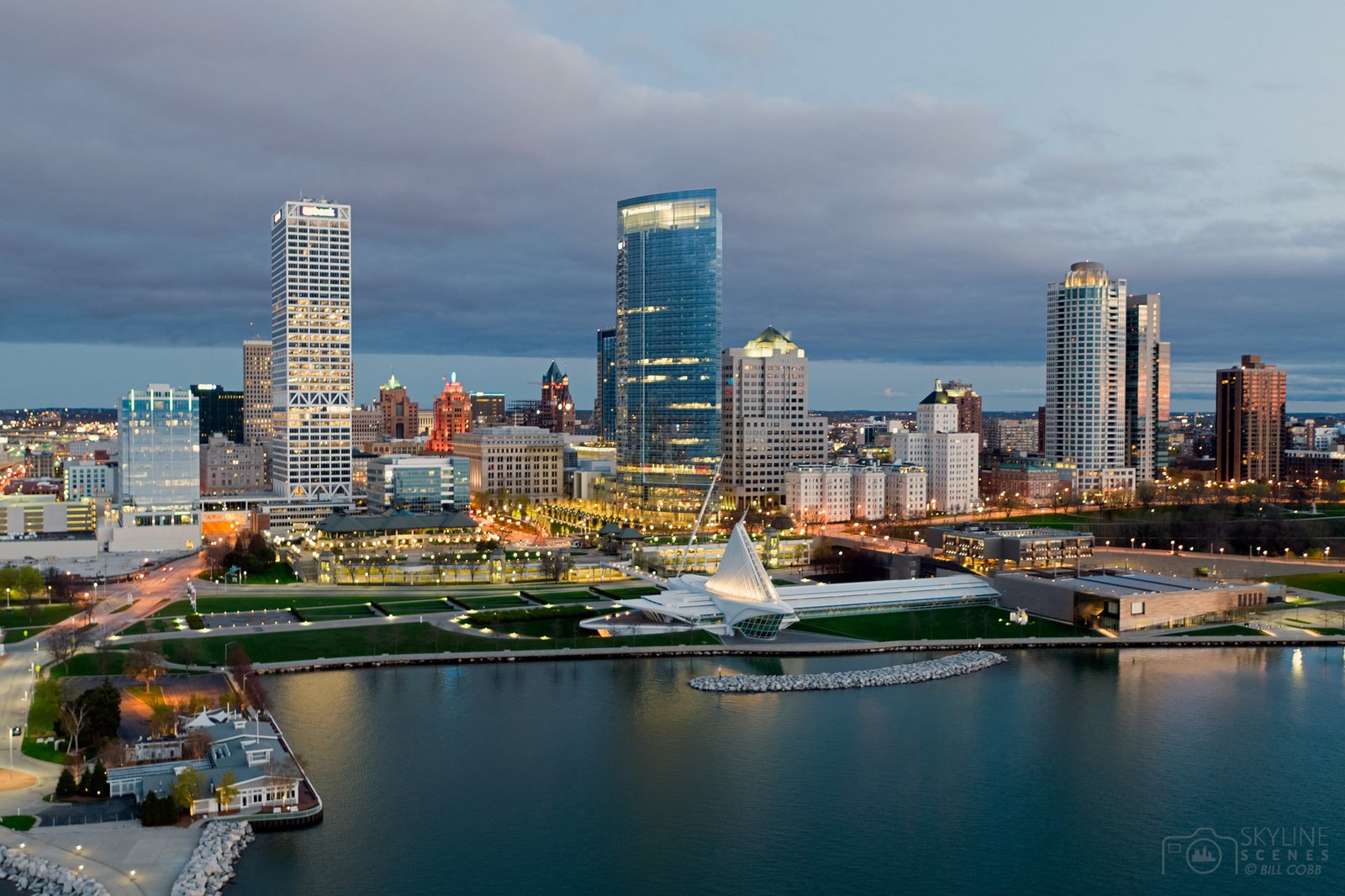
Milwaukee commercial roofing
Milwaukee's commercial roofs earn their keep in one of the harder low-slope climates in the Midwest. Winters off Lake Michigan pile heavy, wet lake-effect snow onto flat membranes and hold it there for months, while the daily freeze-thaw churn of late fall and early spring works open every seam and flashing the summer sun baked loose. The city's older industrial spine — the Menomonee Valley, the near-South Side, the Third Ward's converted warehouses, and the manufacturing corridors reaching out toward West Allis and Wauwatosa — carries decades-old built-up and single-ply roofs that were never designed for the snow loads or the deferred-maintenance backlog they now shoulder. For owners holding that stock, an honest read on condition is the difference between a managed roof and a mid-winter emergency.
What Lake Michigan does to a flat roof
Snow load is the headline hazard here, but it is rarely the thing that fails a roof outright. The slow damage comes from meltwater. Rooftop equipment and dark parapets create warm spots that thaw snow during the day; that water runs toward drains and refreezes overnight, forming ice dams at the perimeter and around penetrations that back water under the membrane. On the low-slope roofs common across Milwaukee's industrial and commercial buildings, drainage that works fine in July is overwhelmed in February, and ponding that freezes solid stresses seams no inspection caught in the fall.
Wind off the lake compounds it. Uplift at edges and corners peels back membrane whose perimeter attachment was never verified, and the long shoulder seasons of wet freeze-thaw quietly degrade adhesives and fasteners. A roof in this climate ages unevenly — the sheltered field looks fine while the exposed edges and the north-facing slopes are years ahead in wear.
Who owns these roofs, and what they need
Milwaukee's commercial inventory skews toward legacy industrial and adaptive reuse. A lot of it is heavy timber and masonry manufacturing converted to office, maker space, and mixed use in the Third Ward and Walker's Point, alongside active distribution and food-processing plants that run hot rooftop loads year-round. Owners of these buildings are not chasing a re-roof; they are trying to squeeze defensible service life out of assets that carry real winter risk. That calls for a documented baseline — membrane type and age, seam and flashing condition, drainage performance, insulation moisture where it warrants investigation — that gets compared year over year so a roof's decline is visible before the deck is compromised.
An independent report before the winter bids arrive
Every hard Milwaukee winter produces a wave of roofing solicitations, and an owner without a baseline is negotiating blind. As part of our Wisconsin commercial roof advisory coverage, we sit on the owner's side of the table: we document what a roof actually needs, flag warranty conditions that snow-load ponding and unauthorized rooftop work quietly void, and hold contractors to the documented condition rather than to their own estimate. A serviceable roof gets maintained and monitored through another winter; a failing one gets sequenced into the capital plan deliberately, not as a January surprise. Either way the owner decides with real data instead of a storm-season sales pitch.
Milwaukee market coverage
We provide owner-side commercial roof advisory across Milwaukee, Wisconsin and the surrounding metro.