Showroom and Service Roofs
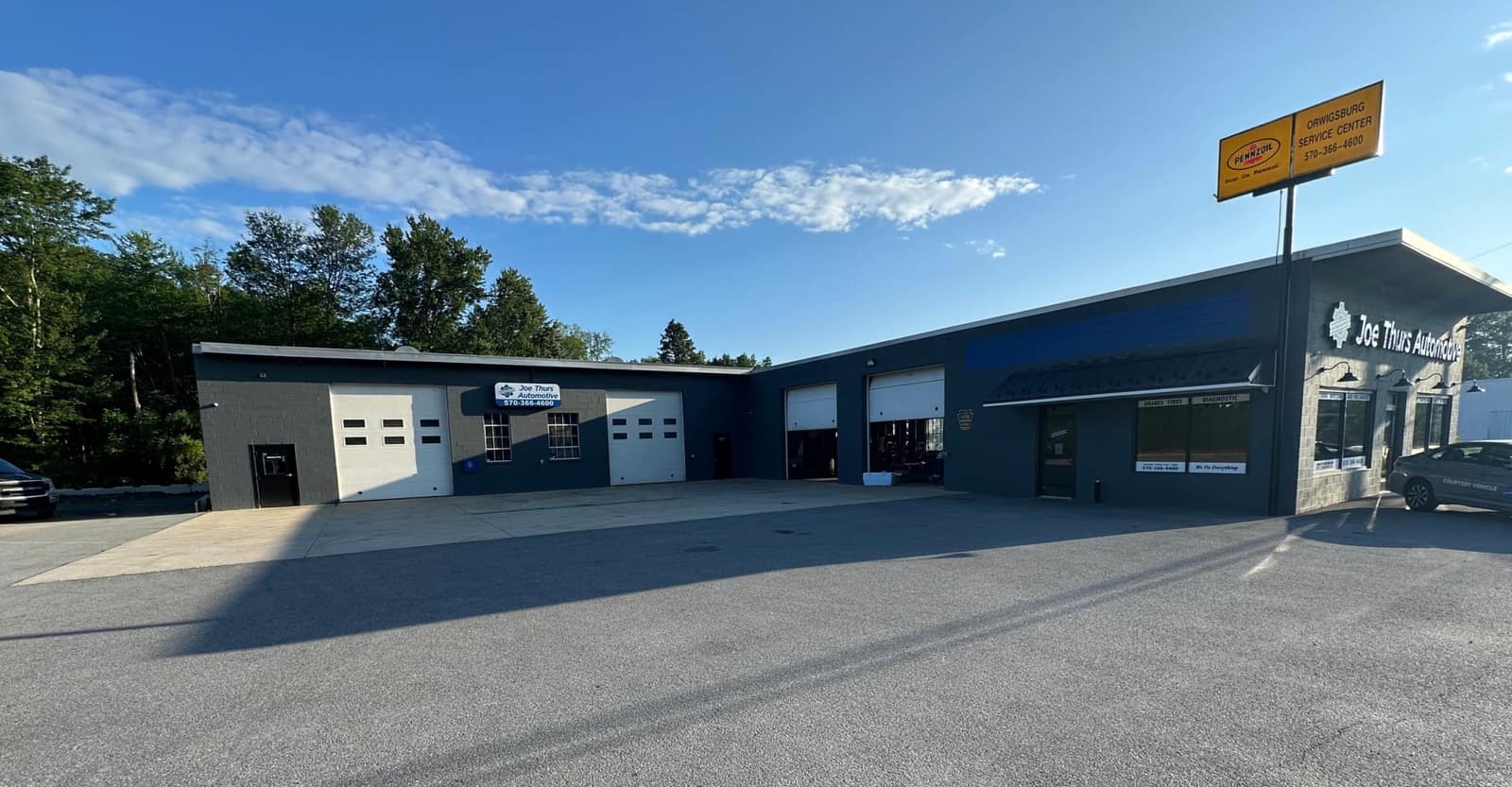
An automotive dealership is really two buildings under one ownership: a glass-walled showroom where presentation is the product, and a service and parts operation that runs hot, wet, and hard all day. The roofs over those two halves age differently, fail differently, and demand different capital decisions. We advise dealer principals, dealership real estate holders, and the REITs and net-lease owners who hold dealership properties on the condition of those roofs and the timing of the money behind them.
Two roofs, one property line
The showroom side is presentation-critical. A stain on a ceiling tile above a six-figure vehicle, or a drip onto a polished floor during a Saturday close, undermines the entire reason the building looks the way it does. These roofs are often low-slope TPO or PVC over wide spans, broken up by skylights, curtain-wall transitions, and decorative parapets that introduce flashing details where leaks like to start.
The service side is a harder environment. Exhaust, solvents, oils misting into rooftop intakes, heavy rooftop HVAC and compressed-air equipment, and constant rooftop service traffic all shorten membrane life. EPDM, modified bitumen, and TPO all behave differently against petroleum exposure, and a membrane chosen for the showroom may be the wrong call over the lube bays. We assess each half on its own terms rather than treating the property as one uniform roof.
Where dealership roofs leak first
Across the dealership roofs we review, the trouble spots are consistent and they track the building's anatomy. Skylights and showroom glazing transitions top the list, followed by the dense penetration fields over service bays and the parapet and coping details on the street-facing facade that gets the most architectural attention and the least maintenance access.
- Skylight curbs and glazing transitions over the showroom floor
- Rooftop HVAC, exhaust, and compressed-air penetrations over service bays
- Parapet coping and through-wall flashings on the brand-facade elevation
- Drainage overwhelmed by added rooftop equipment from facility expansions
- Membrane degradation from petroleum and solvent exposure over service areas
Brand image standards add a roof dimension owners miss
Manufacturer facility programs drive recurring renovations: new fascia, updated showroom glazing, added rooftop signage, relocated HVAC. Every one of those touches the roof, and every one is a chance to void a roofing warranty with an unapproved penetration or to leave a freshly renovated showroom with an aging membrane that fails a year later. We make sure roof condition and warranty status are part of the conversation before a brand-mandated renovation, not discovered as a leak after the ribbon cutting.
When a dealership is reimaged, the roof is often the one major system nobody reassessed because it was not on the brand's checklist. We bring it onto the checklist, so capital goes into a building that will not need a roof emergency in the middle of the new look.
Capital timing for owners and net-lease holders
Dealership real estate is frequently held by an entity separate from the operating dealership, often under a net lease that puts roof obligations in a specific party's hands. Who pays for the roof, and when, is a contractual question as much as a condition question. We help owners and lease holders understand where roof responsibility sits, what the membrane's remaining life actually is, and how to time replacement so it does not collide with a lease renewal, a sale, or a brand renovation cycle.
For a single store, that means a clear answer on whether this roof needs replacement now, a coating to buy five years, or managed repair. For a portfolio of dealership properties, it means a forecast that lets the owner stage roof capital across locations rather than absorbing several emergency replacements in the same year.
How we work with dealership owners
We are owner-side advisors. We do not install roofs or sell membrane, so when we tell a dealer principal the service-bay roof has three good years left and the showroom needs attention now, that read is driven by the condition, not by what is easiest to sell. We provide the assessments, the capital plan, and the independent review of any contractor scope and bid when work is warranted.
- Separate condition assessments for showroom and service roof areas
- Warranty tracking through brand-mandated renovations and rooftop changes
- Capital reserve and replacement timing aligned to leases and reimage cycles
- Independent scope and bid review on recoat, restoration, or reroof work
- Portfolio-level forecasting for multi-rooftop dealership owners
A dealership roof protects both the presentation that sells the cars and the operation that services them. Managed as the asset it is, it stays off the critical path. Left to fail, it surfaces at the worst possible moment, on the showroom floor, in front of a customer.
The maintenance the membrane actually needs
Dealership roofs fail early far more often from neglect than from age, and the neglect is usually invisible until it leaks. The service-side roof in particular accumulates oil-laden grime around exhaust fans that, left in place, accelerates membrane breakdown on TPO and EPDM. Drains and scuppers collect debris from a roof that few people ever walk, and the rooftop equipment that gets serviced monthly leaves a trail of foot traffic, dropped tools, and abandoned penetrations from units that were swapped out and never properly patched. A modest, documented maintenance routine extends usable life by years, and we help owners build one that matches how each half of the building is actually used.
- Periodic cleaning of grease and solvent residue from the membrane field around service exhaust
- Drain, scupper, and gutter clearing before the seasons that overwhelm them
- Documentation and proper repair of every abandoned penetration left by HVAC and equipment swaps
- Inspection after every brand renovation or rooftop equipment change
None of this is glamorous, and none of it is something a dealer principal should have to think about on a busy floor. That is the point of owner-side advisory: the roof gets the attention it needs on a schedule, the records stay current for the next sale or refinance, and the building owner gets to keep their attention on selling and servicing vehicles rather than on a system they were never meant to manage.