
Colorado Springs commercial roofing
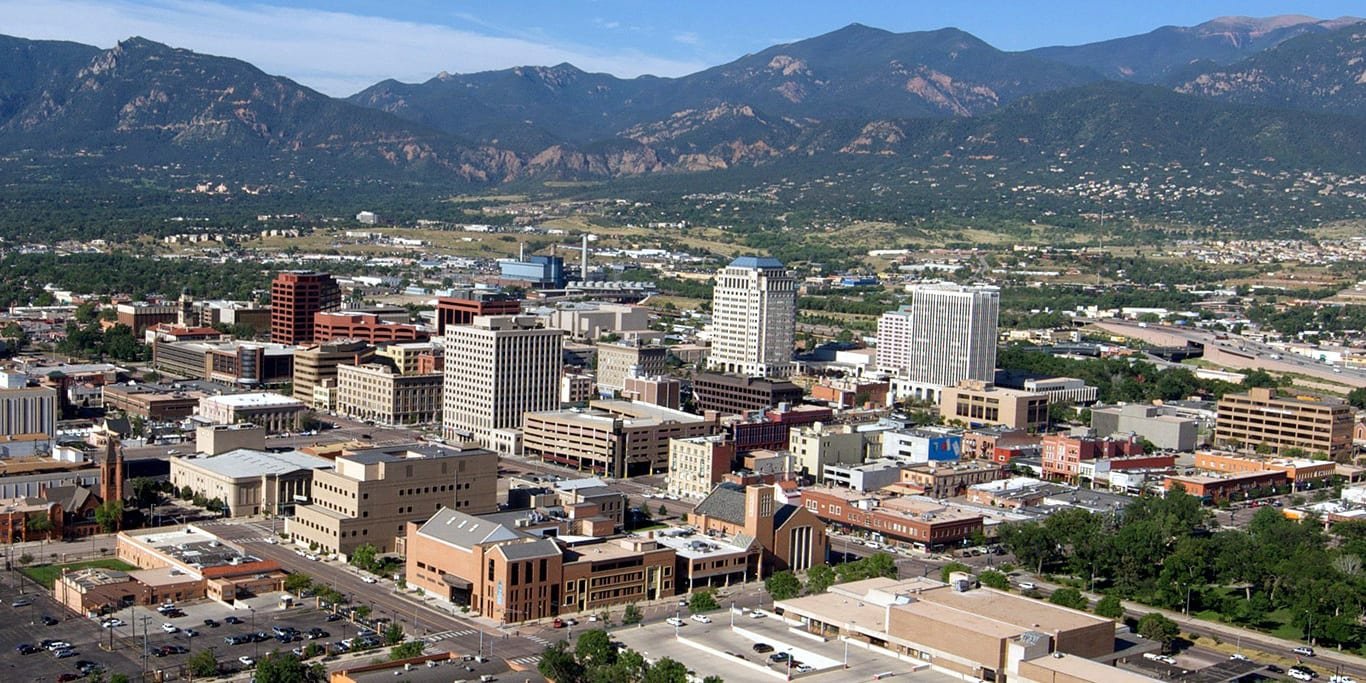
Colorado Springs sits at the edge of one of the most destructive hail zones in North America. The Front Range's "Hail Alley" — the corridor running along the mountains through El Paso County — produces some of the costliest hailstorms in the country year after year, and at 6,000 feet the thin-atmosphere UV punishes membranes between storms just as hard. The city's commercial stock carries that double load: the defense and aerospace facilities tied to Fort Carson, Peterson, and Schriever, the technology and manufacturing campuses on the north and east sides, the downtown office core, and the industrial and distribution footprints along I-25 and toward the airport are overwhelmingly low-slope membrane on exposed footprints. Add heavy spring and winter snow loads and the sharp freeze-thaw swings of high-altitude weather, and Colorado Springs becomes a market where roofs are decided by the storm calendar.
Hail Alley and high-altitude UV
Hail is the dominant hazard, and along the Front Range it arrives large and often. A single storm can bruise membranes, fracture aged coatings, and split field seams across an entire roof without producing a same-day leak; the damage surfaces later as snowmelt and rain find the compromised spots. Between storms, the intense UV of a mile-plus elevation ages membranes and dries out adhesives faster than the moderate temperatures would suggest, so a roof is often already weakened when the next hail season arrives.
Snow load and freeze-thaw finish the job. Spring storms drop heavy, wet snow that lingers on flat roofs, and the daily thaw-and-refreeze at drains and parapets forms ice that backs water under the membrane at exactly the details hail had already opened. The result is uneven, accelerating wear that a ground-level look never catches.
Defense installations and a fast-growing industrial base
The commercial inventory here is anchored by defense, aerospace, and the technology firms that cluster around them, alongside a distribution and manufacturing base that has grown quickly along the I-25 spine. Many of these facilities run mission-critical operations, where an interior leak is an operational failure and not merely a repair. Owners, REITs, and asset managers holding this stock need documentation that stands up to an insurance claim after a major hail event — because Colorado's claim windows are strict, and undocumented storm damage is frequently unrecoverable.
A defensible record before the storm chasers arrive
We give owners a standardized, vendor-neutral baseline: membrane type and age, seam and flashing condition, drainage, and realistic remaining service life, with every defect photographed and located so reports are comparable year over year and hold up when a claim is filed. As part of our Colorado commercial roof advisory coverage, we inspect after major hail and wind passes, track the warranty conditions that ponding and unfiled damage quietly void, and competitively bid only the work a roof genuinely needs. Few markets draw storm-chasing roofing solicitations like the Front Range after a hail event; an owner with documented condition data negotiates from evidence, while the owner without one is left taking a contractor's word on whether the roof needs replacing at all.
Colorado Springs market coverage
We provide owner-side commercial roof advisory across Colorado Springs, Colorado and the surrounding metro.