
Hartford commercial roofing
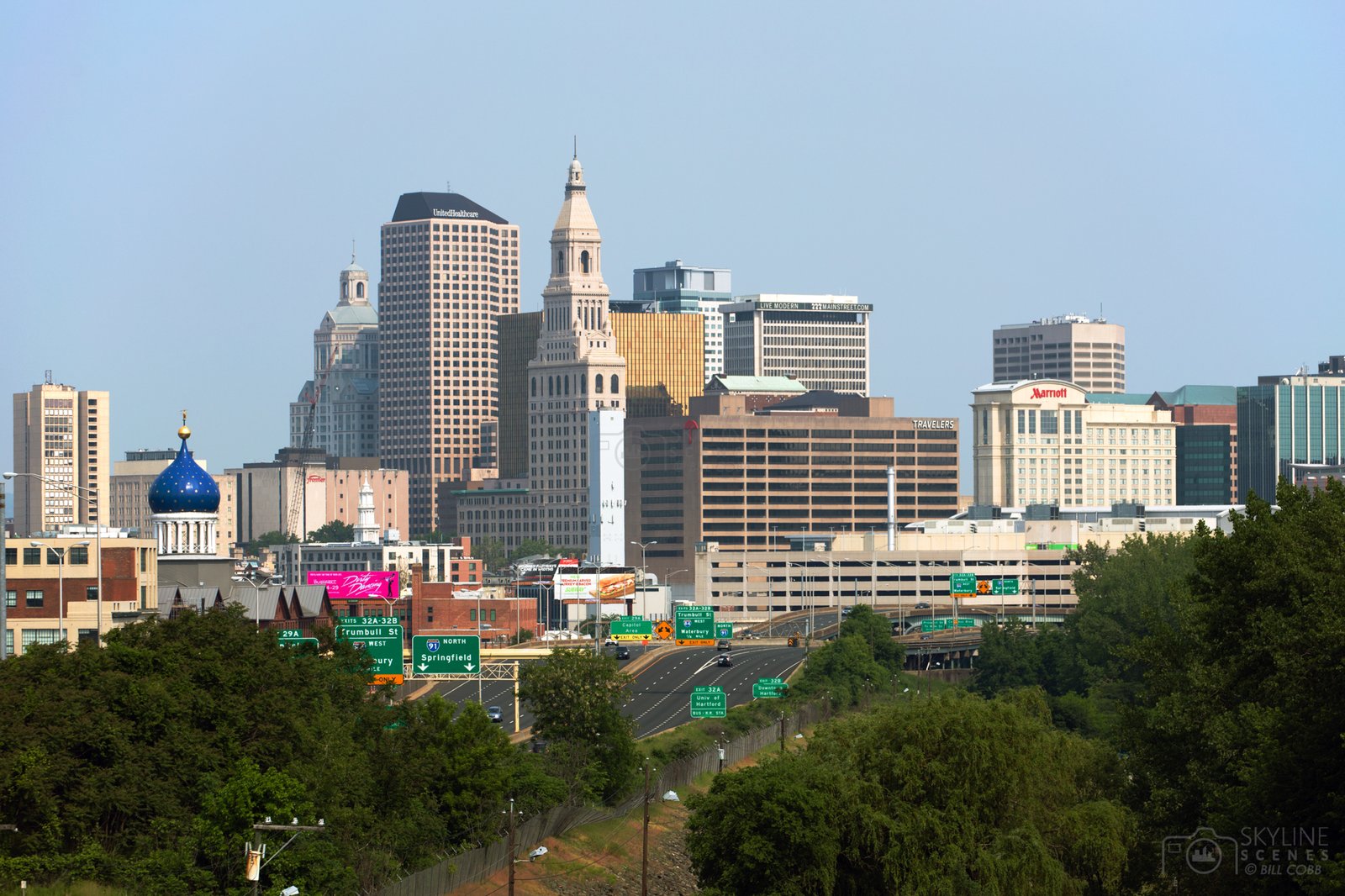
Hartford's commercial roof stock reflects its history as the nation's insurance capital: a downtown of large institutional office towers and corporate headquarters, a dense medical corridor around Hartford Hospital and the UConn Health orbit, and a spread of older manufacturing, warehouse, and mixed-use buildings out along the Connecticut River and the I-91 and I-84 corridors into East Hartford, Windsor, and the surrounding towns. These roofs carry a demanding New England four-season load. Humid summers and UV age the membranes, while winter brings real snow load, ice damming, and the freeze-thaw cycling that pries open in February whatever the summer sun opened first. For the owners, REITs, institutions, and asset managers holding this property, that cycle drives uneven, largely hidden deterioration. We advise the owner's side: documented condition, defensible capital planning, and independent contractor oversight built for a Northeastern climate.
Snow, ice, and freeze-thaw
Winter is the governing stressor in Hartford. Accumulated snow adds structural dead load and, as it melts and refreezes at the eaves and low points, drives ice damming and standing water that backs up behind parapets and against drains. Every thaw sends meltwater into any seam or flashing that is even slightly compromised, and the next freeze expands it and widens the breach. Summer heat and UV then age the membrane from the other direction. The result is a roof that fails in slow motion across seasons rather than all at once, which is exactly why the damage is usually invisible until interior water appears.
On the large flat roofs common to Hartford's office and institutional buildings, that slow failure can spread across a wide footprint before anyone inside notices, turning a maintenance-stage problem into a capital-scale one.
Institutional owners and long holds
Much of Hartford's commercial property is held long-term by insurers, healthcare systems, universities, and public agencies rather than flipped on short cycles. That changes the roof strategy: the goal is protecting and extending existing assets through disciplined maintenance and warranty compliance, and sequencing the inevitable replacements deliberately rather than as emergencies. We build multi-year capital forecasts that put every roof on a funded timeline, so budgeting reflects the real condition of the stock instead of last winter's surprises. For a facilities team answering to a board, a defensible plan backed by documented condition is worth far more than a reactive scramble after the first big leak.
Why an owner-side report beats a free inspection
A contractor's free inspection is a sales call, and it reliably ends in a recommendation to buy. An owner-side condition report does not. We document membrane type, age, seam and flashing condition, drainage performance, and realistic remaining service life, and we photograph and locate every defect so this year's report compares directly to next year's. A roof with serviceable life left should be maintained and monitored, not replaced because a crew is available. When work is genuinely warranted, we scope it, bid it competitively, and hold the contractor to the documented condition rather than to their own estimate. This is part of our Connecticut commercial roof advisory coverage, serving owners across Greater Hartford and the central Connecticut market.
Hartford market coverage
We provide owner-side commercial roof advisory across Hartford, Connecticut and the surrounding metro.