
Sacramento commercial roofing
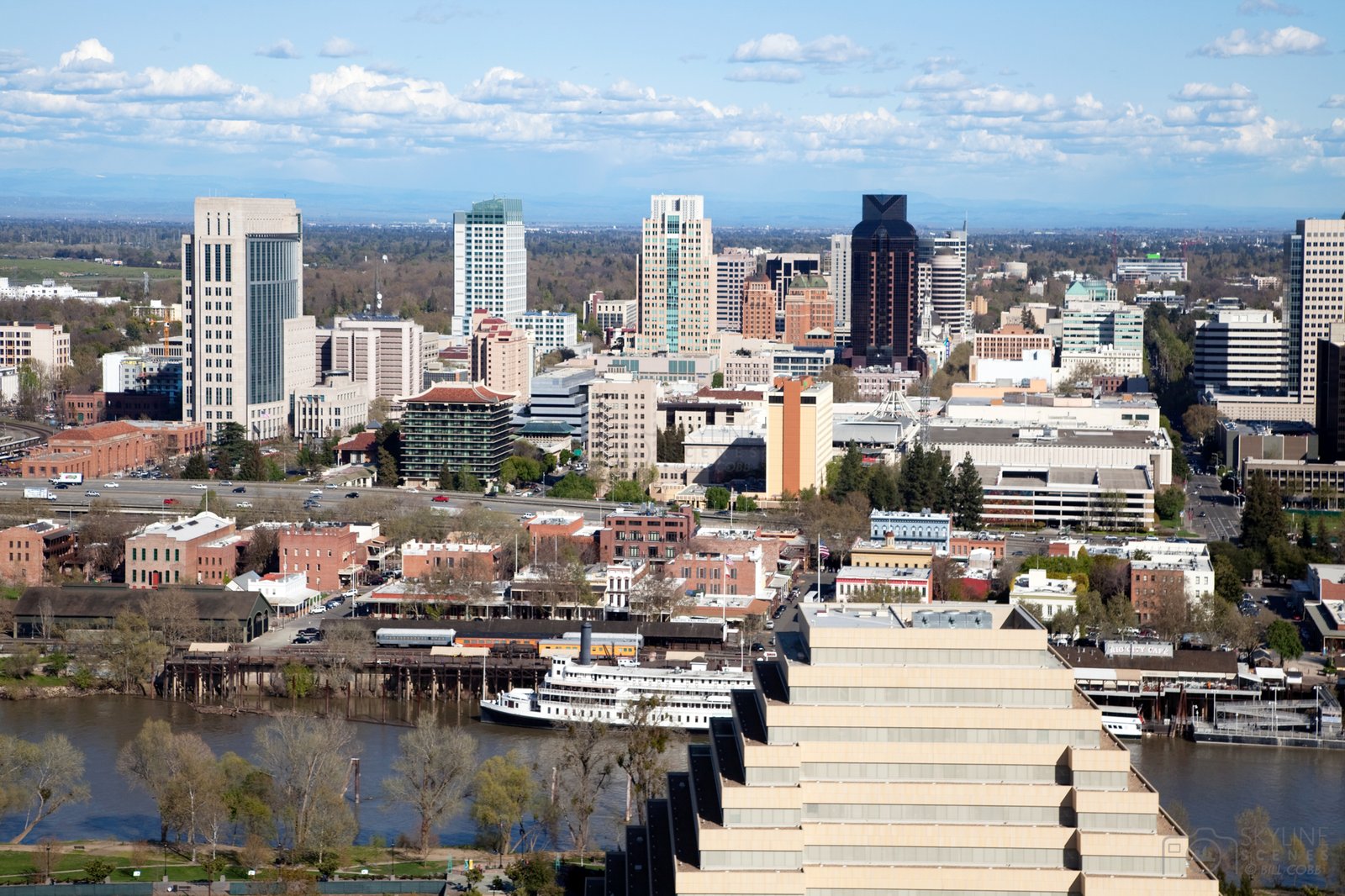
Sacramento delivers one of the more punishing thermal loads in California to its commercial roofs. The Central Valley bakes through long stretches of triple-digit summer heat with intense, unfiltered ultraviolet exposure, driving rooftop temperatures to extremes that oxidize membranes and crack coatings quickly; then winter brings the region's characteristic tule fog, weeks of cold, dense damp that keeps roofs wet and slow to dry. That swing from severe heat to persistent moisture is hard on any assembly. The commercial stock reflects the region's role as the state capital and a growing logistics hub: the government and institutional buildings of Downtown and the Capitol district, the medical campuses around Sacramento's hospital corridors, the office and mixed-use product of Midtown, the large distribution and warehouse buildings out along Highway 99 and toward the ports of West Sacramento, and the tech and flex space in Rancho Cordova and Natomas. For owners, REITs, and asset managers, we advise on documented condition, capital planning, and contractor oversight built for this climate.
Extreme heat, UV, and winter damp
The dominant stressor here is heat, and it is more extreme than most of coastal California. Sustained summer temperatures well above what the coast sees push rooftop surface temperatures higher and hold them longer, accelerating membrane oxidation, coating breakdown, and the aging of every adhesive and sealant on the roof. Dark or unreflective roofs suffer disproportionately, and because reflectivity fades gradually, a roof can be losing performance for years before it is obvious. The large daily temperature swing between blistering afternoons and cooler nights adds thermal cycling that works seams and flashings loose.
Winter flips the load entirely. Tule fog and cold rain keep roofs damp for extended periods, slowing evaporation and encouraging biological growth and moisture retention in shaded low points. The valley's long dry summer also sets the familiar drainage trap: debris accumulates in drains through months of clear weather, and then the first winter storms test a drainage system that has sat idle, exposing ponding the dry season concealed. On flat valley roofs with minimal slope, that standing water is a chronic risk we plan around explicitly.
The building stock we cover
Sacramento's commercial inventory blends institutional, medical, and fast-growing logistics real estate, and each carries a distinct roof profile. The state government and institutional buildings of the Capitol district and Downtown include older assemblies and public-sector roofs with long deferred-maintenance histories. The hospital and medical campuses run dense rooftop mechanical loads where downtime is unacceptable. The distribution and warehouse product along Highway 99 and around West Sacramento carries large single-ply roofs on big footprints, where a small failure spreads across acres before it surfaces. The office, tech, and flex space of Midtown, Rancho Cordova, and Natomas adds its own risk. We treat these as separate environments, as part of our broader California commercial roof advisory coverage.
Owner-side reporting and capital planning
The foundational deliverable is a standardized condition report on every roof: membrane type and age, seam and attachment condition, flashing and penetration detailing, coating condition and remaining reflectivity, drainage and evidence of chronic ponding, and a realistic remaining service life. We photograph and locate every defect so this year's report is directly comparable to next year's, which is what makes gradual heat-driven aging visible and budgetable rather than a sudden failure the summer it finally gives out.
Because we sit on the owner's side of the table, our reporting is not built to sell a re-roof. A valley roof with life left is a candidate for a reflective restorative coating and disciplined maintenance, which in Sacramento's heat can extend service life meaningfully, not a tear-off recommended by a crew that happened to be available. Across a Sacramento portfolio, where institutional, medical, and logistics roofs of different ages compete for the same capital, we build multi-year forecasts that put each roof on a funded timeline, track warranty terms and the maintenance obligations that keep coverage intact, and hold contractors to documented condition rather than to their own free inspection, so the owner's capital stays under the owner's control.
Sacramento market coverage
We provide owner-side commercial roof advisory across Sacramento, California and the surrounding metro.