
Utah statewide
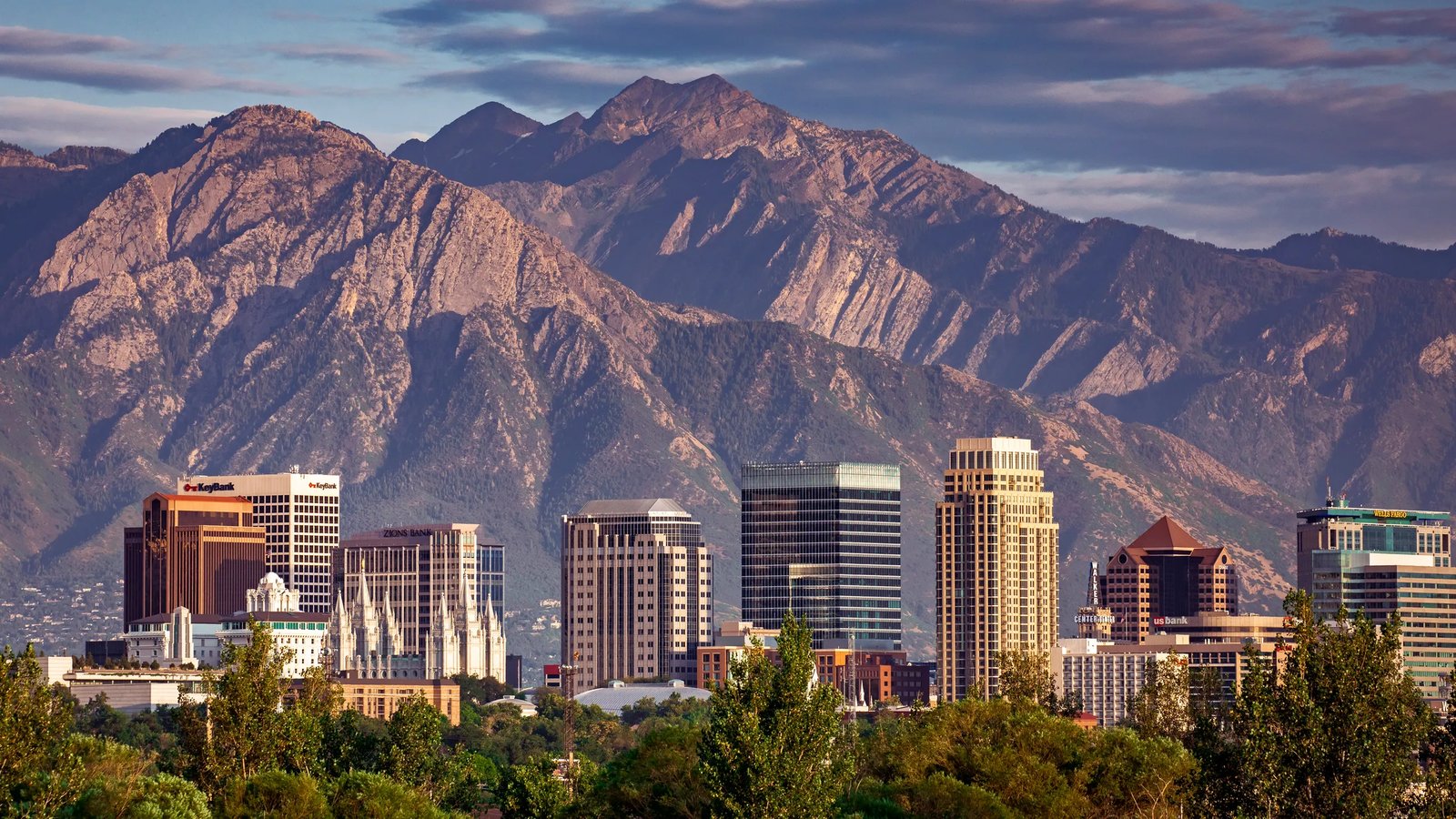
Utah puts two opposing forces on the same commercial roof: a heavy mountain snow load in winter and some of the most intense ultraviolet exposure in the country the rest of the year. The result is a building stock that ages faster than its warranties assume and fails in ways an out-of-state owner rarely sees coming. We advise building owners, REITs, and asset managers on those roofs directly, documenting real condition, planning the capital, and holding manufacturers and installers to the coverage on file. We do not run a crew or bid the repairs. We work for the owner, and our job is to make sure the roof decisions protect the asset. That distance matters in a market where the roof is often the last thing inspected and the first thing that fails when winter arrives early, as it routinely does at Utah's elevations.
Commercial roofing markets we serve in Utah
Explore owner-side commercial roof advisory in these Utah cities:
The markets we cover
Most of Utah's commercial roof area sits along the Wasatch Front. The Salt Lake City metro anchors it, with the northwest Salt Lake Valley now one of the fastest-growing distribution and logistics submarkets in the Intermountain West, feeding a large and growing inventory of single-ply warehouse roofs. South of the city, the Silicon Slopes corridor running from Lehi through Provo and Orem carries the tech campuses and office product driving much of the state's growth, while Ogden-Clearfield to the north holds aerospace and advanced-manufacturing facilities.
Utah's economy concentrates in sectors that build specific roof profiles: aerospace and defense manufacturing, software and financial-services offices, life-sciences and medical buildings, and the logistics space serving them. The Hill Air Force Base corridor in Davis County and the data-center and distribution growth in the northwest valley both add large-footprint roofs where a single envelope failure interrupts an expensive operation. St. George in the southwest adds a hotter, higher-UV exposure on a fast-growing retail and industrial base, and the mountain resort markets around Park City sit under genuinely extreme snow loads on lodging, retail, and event facilities. An owner holding assets across these submarkets is managing very different roof risks under one portfolio, with the high country and the southern desert demanding almost opposite maintenance priorities, and that is the problem we are built to manage.
What actually fails roofs in Utah
The headline driver is snow load. Twelve inches of wet snow on a 10,000-square-foot roof can weigh well over 150,000 pounds, and Utah's pattern of warm days and freezing nights compacts that snowpack and adds weight as the season wears on. The same freeze-thaw cycle drives the rest of the damage owners actually pay for:
- Ice dams at roof edges and low points, where meltwater refreezes, backs up under the membrane, and forces water into the building.
- Freeze-thaw cycling that opens seams, splits flashings, and works fasteners loose over repeated winters.
- Intense high-elevation UV and low humidity that break down membrane chemistry, dry out sealants, and shorten service life across every exposed surface.
- Structural strain on long-span warehouse and manufacturing roofs when accumulated load is not monitored or removed.
The combination is what makes Utah roofs deceptive. A membrane that looks intact in July may already be UV-embrittled and primed to crack under the first hard freeze, and the leak appears mid-winter when access and remediation are at their hardest and most expensive. The two stressors also pull maintenance in opposite directions: the same reflective, light-colored membrane that defends against high-altitude UV can hold snow longer, while the darker assembly that sheds snow faster ages harder in the sun. Getting that trade-off right for a specific building, at a specific elevation, is exactly the kind of judgment an owner should not leave to whoever last bid the job.
Condition reporting owners can act on
Our condition reports document the membrane, seams, flashings, drainage, and insulation, and they specifically grade the components Utah's climate attacks first: edge details and drains for ice-dam risk, and field membrane and sealants for UV degradation. We also assess whether a low-slope roof drains fast enough to clear a melt cycle before water refreezes, and whether accumulated snow is being monitored or simply allowed to build on a long-span structure. The report gives the owner a ranked defect list and a clear read on how much winter the roof has left in it, rather than a vague clean bill of health, and it tells an out-of-state owner exactly which buildings need attention before the snow flies.
Across a portfolio spanning Salt Lake, Lehi, Ogden, and St. George, we score every roof on the same scale. An asset manager can then weigh a snow-loaded distribution roof in the northwest valley against a UV-stressed office roof in the south on common terms, instead of reconciling inconsistent contractor proposals.
That same reporting carries an acquisition. Utah's commercial market has run hot for years, and roofs are an easy thing to overlook when a deal is moving fast. We inspect before close and price the roof exposure into the transaction, so a buyer is not absorbing a UV-spent membrane or a poorly drained roof as a first-winter surprise. After a heavy-load or ice-dam event, we assess the actual damage against the documented baseline, which gives the owner an independent footing for the insurance claim and keeps the repair scoped to what the storm did rather than to what a contractor would like to sell.
Capital planning across the holding period
In Utah's climate, roofs rarely fail on a convenient schedule, and an emergency winter replacement is far costlier and more disruptive than a planned one. We build capital plans that phase repair, restoration, and replacement against each roof's real condition and the owner's hold horizon, so reserves are funded before a hard winter forces the issue. Timing is its own constraint in Utah: the practical window for major roof work is short, bracketed by snow on one end and high heat on the other, and a replacement deferred one season too long can mean a full year of patching and interior damage. We sequence work into that window deliberately rather than reacting to it.
- Remaining service life graded section by section, accounting for both snow exposure and UV aging.
- Budgets sequenced around acquisition, refinance, or disposition timing.
- Restoration-versus-replacement analysis for membranes degraded by elevation and sun rather than by leaks alone.
Warranty exposure and ongoing oversight
Manufacturer warranties on single-ply roofs carry conditions Utah weather routinely tests, and snow-load damage, ponding, and undocumented maintenance are common grounds for a denied claim. We review the warranty on every roof against the system actually installed and the exposure it faces, flag the gaps, and keep sound coverage intact by managing the inspection and maintenance record the warranty requires. The trap for Utah owners is a warranty that assumes a milder climate than the building actually sits in: a system rated for ordinary loads on a roof that takes mountain snowpack, or a membrane whose accelerated UV aging outruns the coverage term at elevation. We flag those mismatches before an owner commits capital, not after the first denied claim. Whether the need is a pre-winter inspection program, an acquisition due-diligence review, or response after a heavy-load event, we give Utah owners and asset managers one owner-side advisor accountable for the condition, the cost, and the coverage of every roof they hold.